Smart Agriculture ›› 2025, Vol. 7 ›› Issue (5): 1-16.doi: 10.12133/j.smartag.SA202507049
陈程程1, 吴佳平1, 于合龙2( )
)
收稿日期:2025-07-31
出版日期:2025-09-30
基金项目:作者简介:陈程程,博士,讲师,研究方向为光农业、计算育种、农业工程优化、复杂系统。E-mail: chenccj18@gmail.com
通信作者:
CHEN Chengcheng1, WU Jiaping1, YU Helong2()
Received:2025-07-31
Online:2025-09-30
Foundation items:National Natural Science Foundation of China Youth Program(32501793); The Youth Program of the Basic Research Project of the Department of Education of Liaoning Province(JYTQN2023078); The Talent Research Start-up Fund of Shenyang Aerospace University(23YB05); The Basic Research Project of the Department of Education of Liaoning Province(2024061101); The Jilin Province Science and Technology Innovation Base (Platform) Construction Project(YDZJ202502CXJD006)
About author:CHEN Chengcheng, E-mail: chenccj18@gmail.com
Corresponding author:摘要:
[目的/意义] 光智农业以光学传感技术为核心实现农业信息的动态感知,并依托智能算法构建数据驱动的决策机制,以此推动农业生产模式向精准化与智能化转型。然而,该技术体系在规模化推广过程中仍面临环境干扰强、实施成本高等现实挑战。本文旨在系统梳理光智农业领域的关键技术进展与发展路径,为相关领域科研人员及产业实践者提供理论参考与实践指导。 [进展] 光智农业正逐步摆脱单一技术应用的局限,向“感知-决策-执行”全链条深度融合的方向演进。在感知层面,研究重点已从传统光谱成像拓展至高维荧光寿命成像、量子点传感等跨尺度、高灵敏度探测技术,实现对作物生理状态的早期识别与无损监测;在决策层面,核心突破表现为作物生长模型与深度学习方法的有效耦合,显著增强了生长过程预测与管理策略生成的动态精度和机制可解释性;在执行层面,已发展为基于光环境实时反馈的光配方动态调控与智能装备精准作业相结合的模式,形成具备自我优化能力的闭环控制结构。 [结论/展望] 光智农业通过光学感知与智能决策的深度协同,在农业节水节肥、病虫害早期预警与作物品质提升等方面取得了一系列可量化验证的成效。为实现光智农业数据感知技术从概念验证到产业普惠的跨越,未来应着力于以下方向:提升复杂田间环境下光学感知的稳定性与检测精度;通过算法轻量化设计与高质量开源数据集建设增强模型泛化能力;推进低成本、低功耗核心光学器件的自主研发与国产化替代,并构建覆盖技术研发、政策支持与人才培养的多维度协同推广体系。
中图分类号:
陈程程, 吴佳平, 于合龙. 光智农业数据感知技术的前沿进展与发展趋势——从光学传感器到智能决策系统[J]. 智慧农业(中英文), 2025, 7(5): 1-16.
CHEN Chengcheng, WU Jiaping, YU Helong. Frontiers and Future Trends in Data Sensing Technologies for Opto-Intelligent Agriculture: From Optical Sensors to Intelligent Decision Systems[J]. Smart Agriculture, 2025, 7(5): 1-16.

图1
光谱技术在农业中的应用

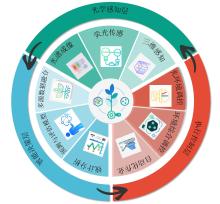
图2
光智农业技术体系

表1
光智农业常用光学感知技术优缺点
| 技术名称 | 应用领域 | 优点 | 缺点 | 常用设备 |
|---|---|---|---|---|
| 高光谱成像 | 精准养分诊断[ 病虫害精准识别[ 活力预测[ 品种分类[ | 光谱信息极丰富 诊断精准 | 数据庞大处理复杂 模型依赖强 成本高昂 | 机/星载高光谱仪 高光谱成像系统 专业无人机载荷 |
| 多光谱成像 | 病虫害早期发现[ 作物健康监测[ 产量预估[ | 快速宏观 成本效益高 技术成熟 | 间接测量 易受环境光影响 | 无人机多光谱相机 卫星传感器 |
| 叶绿素荧光成像 | 光合效率评估[ 胁迫早期预警[ | 直接探测生理功能 极其灵敏 | 需暗环境 专业性强 设备昂贵 | 手持式脉冲振幅调制叶绿素荧光(Pulse-Amplitude-Modulation,PAM )成像仪 表型平台 |
| 量子点阵列传感 | 病原体快速检测[ 金属离子检测[ | 超高灵敏度 可多重检测 | 多为实验室阶段 成本高 | 实验室荧光检测仪 原型传感器 |
| 荧光寿命成像 | 植物体内离子/分子动态示踪[ | 对微环境敏感 定量精准 | 需荧光探针 设备极昂贵 | 荧光寿命成像系统 |
| LiDAR | 表型分析[ 地形测绘[ 农机导航[ | 直接3D信息 可穿透 | 数据量大 受天气影响 成本高 | 无人机/农机搭载LiDAR |
| 立体视觉 | 全局测绘[ 采摘定位[ 农机导航[ | 成本低 同时获取色彩与深度 | 依赖光照与纹理 计算复杂 | 双目相机 RGB-D相机 |
| 结构光三维成像 | 室内高精度表型[ 果实分拣[ | 精度高 速度快 细节清晰 | 仅限室内使用 易受环境光干扰 | 工业3D扫描仪 手持3D扫描仪 分选线设备 |
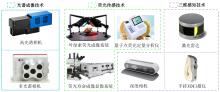
图 3
农业中常见的光学感知设备

表2
光智农业智能决策技术对比分析表
| 分析维度 | 统计分析 | 预测与评估模型 | 多源数据融合 |
|---|---|---|---|
| 代表性技术与方法 | 回归分析 聚类分析 | 机理模型:农业产品系统仿真器(Agricultural Production System Simulator, APSIM), 农业技术转移决策支持系统(Decision Support System for Agrotechnology Transfer, DSSAT)等 数据驱动模型:卷积神经网络(Convolutional Neural Network, CNN), 支持向量机(Support Vector Machine, SVM)等 | 决策级融合 特征级融合 |
| 主要数据输入 | 单一或少数来源的数据集 | 规整的、用于训练或驱动模型的数据集 | 光学感知数据 物理环境数据 土壤理化数据 |
| 典型输出结果 | 全阶段培养方案[ 作物气候要求分析[ 病害预警[ | 水肥管理[ 气候变化影响评估[ | 多目标协同的优化决策[ 作物生长异常诊断[ |
| 核心优势 | 预测精度高 自适应能力强 | 机理模型外推性好 数据驱动模型对复杂模式捕捉力强 | 决策可靠性高、误判率低 决策考虑更全面,系统性更强 鲁棒性强,决策效率高 |
| 主要局限/挑战 | 难以揭示复杂非线性关系 对动态过程预测能力弱 | 机理模型定位性强 数据驱动模型依赖大量高质量数据 | 融合规则设计严重依赖专家经验 对数据的质量和时空同步要求极高 系统复杂度高 |
表3
光智农业执行控制层核心装备及功能
| 技术类型 | 设备名称 | 核心功能 |
|---|---|---|
| 光环境调控 | 可调光谱LED补光系统[ | 实现作物全生育期光配方动态编程 |
| 激光光生物调控装置[ | 特定波长精准刺激种子/植株关键生理过程 | |
| 环境综合调控 | 光伏-冷凝水智能灌溉系统[ | 光伏-冷凝水智能收集灌溉 |
| 蓝莓植物工厂化生产控制系统[ | 蓝莓智能温室促早熟生产控制 | |
| 自动化作业 | 激光雷达与植保无人机[ | 可变速率喷洒系统 |
| 多品种蔬菜收获机[ | 仿生触觉反馈与机器视觉融合抓取 |
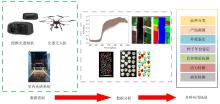
图4
光智农业中种子质量与检测应用
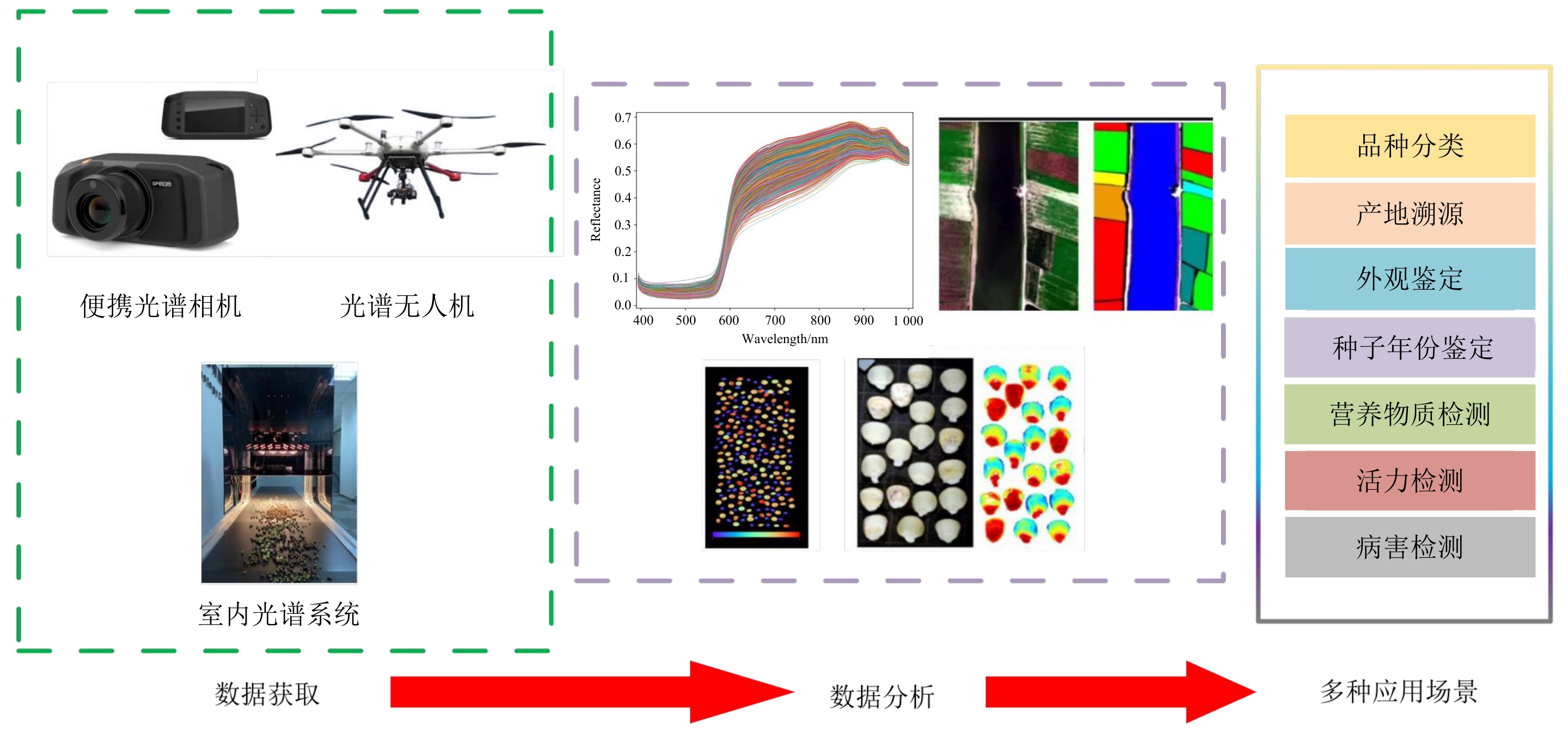

图5
光智农业中多源数据融合与智能决策应用

表4
光智农业在农业各场景中的应用
| 应用场景 | 关键技术 |
|---|---|
| 水产养殖 | 养殖池浊度监测[ |
| 细胞浓度监测[ | |
| 畜牧养殖 | 健康监测[ |
| 环境优化[ | |
| 产后处理 | 品质分级[ |
| 品种区分[ | |
| 冷链物流 | 冷害监测[ |
表5
光智农业主要应用场景及关键技术手段
| 应用场景 | 关键技术手段 | 实际成效 |
|---|---|---|
| 病虫害治理 | 小麦赤霉病自动化监测仪、AI大模型 | 模型以94%的准确率实现赤霉病精准预测[ |
| 无人机、智能系统 | 蓝莓成熟周期显著缩短5个月,实现病害提前两周预警,产量提升30%[ | |
| 灌溉与施肥 | 智能水肥一体化技术 | 作物产量增长率33%、水肥利用率提高42%[ |
| 多光谱无人机、智慧平台 | 降低成本,协同周边农户年均每公顷增收约6 000元[ | |
| 施肥智能决策系统、多光谱相机、地面传感网络 | 水稻肥料利用率提升35%以上,农药减少 40%,综合增产15%~20%[ | |
| 生长动态与产量管理 | 数智农服系统 | 预测现蕾误差控制在1天内,每公顷节电约7 200元、火龙果提前15天上市[ |
| 间作与综合管理 | 多光谱无人机、智能监测设备 | 每公顷提高产量约8%,管理效率获得35%的显著增幅,带动用工成本降低逾25%,同时保障农药化肥施用量减少10%~15%[ |
| 智能配水系统,探地雷达、多光谱激光探测 | 实现间作作物节水20%~35%,产量增幅15%~25%[ |
| [1] |
|
| [2] |
|
| [3] |
|
| [4] |
|
| [5] |
王秀珍. 基于光谱特性的植保机智能图像识别研究[J]. 农机化研究, 2023, 45(10): 207-210.
|
|
|
|
| [6] |
王敬湧, 张明珍, 凌华荣, 等. 干旱胁迫下玉米叶片叶绿素含量与含水量高光谱成像反演方法[J]. 智慧农业(中英文), 2023, 5(3): 142-153.
|
|
|
|
| [7] |
|
| [8] |
|
| [9] |
|
| [10] |
|
| [11] |
|
| [12] |
|
| [13] |
任红军, 许桂玲, 冯跃华, 等. 基于杂交水稻叶片SPAD值的氮素营养诊断模型的初步构建[J]. 中国稻米, 2024, 30(2): 5-12.
|
|
|
|
| [14] |
|
| [15] |
|
| [16] |
|
| [17] |
邵明杰, 陈艳琦, 刘文科. 连续光照条件下LED红蓝光供光模式对紫叶生菜生长和品质的影响[J]. 中国农业科技导报, 2023(4): 77-85.
|
|
|
|
| [18] |
韩冬梅, 陈泳琪, 张佳丽, 等. 龙眼鲜果贮藏品质采前优化调控技术比较[J]. 华南农业大学学报, 2021, 42(1): 61-71.
|
|
|
|
| [19] |
万欢, 欧媛珍, 管宪鲁, 等. 无人农机作业环境感知技术综述[J].农业工程学报, 2024, 40(8):1-18.
|
|
|
|
| [20] |
|
| [21] |
黄佳慧, 杨惠敏, 陈欣雨, 等. 水稻突变体pe-1对弱光胁迫的响应机制[J]. 植物学报, 2024, 59(4): 574-584.
|
|
|
|
| [22] |
|
| [23] |
|
| [24] |
|
| [25] |
|
| [26] |
|
| [27] |
|
| [28] |
|
| [29] |
HUQ E,
|
| [30] |
|
| [31] |
|
| [32] |
|
| [33] |
王绍妍, 陈志飞, 罗杨, 等. 基于光谱特征的黄土丘陵区白羊草群落养分含量研究[J]. 光谱学与光谱分析, 2023, 43(5): 1612-1621.
|
|
|
|
| [34] |
|
| [35] |
|
| [36] |
|
| [37] |
|
| [38] |
|
| [39] |
|
| [40] |
|
| [41] |
|
| [42] |
高树琴, 胡兆民, 王竑晟, 等. 智慧农业助力粮食生产节本增产增效的“九步法”[J]. 中国科学院院刊, 2024, 39(1): 198-209.
|
|
|
|
| [43] |
|
| [44] |
|
| [45] |
|
| [46] |
|
| [47] |
|
| [48] |
|
| [49] |
|
| [50] |
|
| [51] |
|
| [52] |
|
| [53] |
|
| [54] |
|
| [55] |
|
| [56] |
|
| [57] |
|
| [58] |
|
| [59] |
|
| [60] |
|
| [61] |
|
| [62] |
|
| [63] |
|
| [64] |
龙燕, 马敏娟, 王英允, 等. 利用叶绿素荧光动力学参数识别苗期番茄干旱胁迫状态[J]. 农业工程学报, 2021, 37(11): 172-179.
|
|
|
|
| [65] |
|
| [66] |
|
| [67] |
|
| [68] |
|
| [69] |
杨晨雪, 李娴, 周清波, 等. 知识图谱驱动下粮食生产大数据应用现状与展望[J]. 智慧农业(中英文), 2025, 7(2): 26-40.
|
|
|
|
| [70] |
|
| [71] |
|
| [72] |
|
| [73] |
|
| [74] |
|
| [75] |
|
| [76] |
杭州佳惠农业开发有限公司, 浙江长芯光电科技有限公司. 一种激光调控芦笋种子萌发及幼苗生长的装置及方法: CN119631642A [P]. 2025-03-18.
|
| [77] |
李梓豪, 海龙, 洪光宇, 等. 光伏板冷凝水收集与滴灌系统及使用方法: CN120465556A[P]. 2025-08-12.
|
| [78] |
徐立鸿, 刘辉辉, 徐赫, 等. 南方蓝莓智能温室促早熟生产多因子协调控制技术[J]. 智慧农业(中英文), 2021(4): 86-98.
|
|
|
|
| [79] |
|
| [80] |
曹光乔, 张健飞, 张进龙. 基于图像处理的多品种蔬菜收获机动态识别与喂入控制系统: CN120359903B[P]. 2025-08-22.
|
| [81] |
|
| [82] |
|
| [83] |
|
| [84] |
|
| [85] |
楼坚锋, 刘建. 杂交粳稻花优14种子质量快速预测方法研究[J]. 中国稻米, 2024, 30(6): 87-90.
|
|
|
|
| [86] |
|
| [87] |
廉孟茹, 张淑娟, 任锐, 等. 基于高光谱技术的鲜食水果玉米含水率无损检测[J]. 食品与机械, 2021, 37(9): 127-132.
|
|
|
|
| [88] |
|
| [89] |
|
| [90] |
|
| [91] |
|
| [92] |
|
| [93] |
吕秋辉, 朱立学, 张世昂, 等. 传感器技术在水果采摘机器人中的应用现状及趋势[J]. 智能化农业装备学报(中英文), 2025(2): 58-68.
|
|
|
|
| [94] |
|
| [95] |
|
| [96] |
|
| [97] |
周晓丽, 周立君, 伊力塔, 等. 基于光谱图像的森林病虫害自动检测方法[J]. 应用光学, 2023, 44(2): 420-426.
|
|
|
|
| [98] |
|
| [99] |
|
| [100] |
|
| [101] |
肖德琴, 刘勤, 陈丽, 等. 设施猪场生猪体温红外巡检系统设计与试验[J]. 农业机械学报, 2019, 50(7): 194-200.
|
|
|
|
| [102] |
姬逸凡, 石雷, 陈一凡, 等. 405 nm光谱协同二氧化钛的发光二极管灯源对蛋鸡生产性能、健康和舍内微生物的影响[J]. 中国畜牧兽医, 2025, 52(6): 2675-2683.
|
|
|
|
| [103] |
彭彦昆, 孙晨, 赵苗, 等. 苹果品质动态无损感知及分级机器手系统[J]. 农业工程学报, 2022, 38(16): 293-303.
|
|
|
|
| [104] |
于玮, 周卓彦, 孙仲谋, 等. 激光诱导击穿光谱技术实时检测蔷薇属植物[J]. 量子电子学报, 2022, 39(4): 494-501.
|
|
|
|
| [105] |
|
| [106] |
闫德见. 小麦防病害 AI 来助力 [EB/OL]. (2025-05-19)[2025-8-14].
|
| [107] |
陆磊砚. 从"会种养"到"慧种养"广西金城江 AI 赋能勾勒智慧农业新图景[EB/OL]. (2025-06-16)[2025-8-14].
|
| [108] |
雄安未来之城场景汇|百项前沿技术展示智慧农业新场景 [EB/OL].(2025-06-11)[2025-8-14].
|
| [109] |
郑秀程, 高昌莲, 等. 德州: 玉米有了 "私人医生" 智慧平台赋能助力秋粮丰产丰收 [EB/OL]. (2025-08-11)[2025-8-14].
|
| [110] |
史云, 刘怀洋. 一种基于水稻空地感知数据的施肥与追肥智能决策系统及方法: CN120355524A[P]. 2025-07-22.
|
| [111] |
代刘敏. 农业界的“AI 长跑者”:丰农控股7年跑出智慧农业加速度[EB/OL]. (2025-06-05)[2025-8-14].
|
| [112] |
王秀娟. 高平市:田间管理提精度 [EB/OL].(2025-05-27) [2025-8-14].
|
| [113] |
谢金惠, 汝晨, 刘宇轩, 等. 间作体系根系时空竞争的智能配水系统及方法: CN120374295A[P]. 2025-07-25.
|
| [114] |
中国农业机械化协会, 中国农业大学, 广州光亚法兰克福有限公司. 探寻AI时代智慧农业新未来!2024 年生物光学与智慧农业国际论坛在广州召开[EB/OL]. (2024-06-13)[2025-8-14].
|
| [115] |
国务院第三次全国农业普查领导小组办公室, 中华人民共和国国家统计局. 第三次全国农业普查主要数据公报(第五号)——农业生产经营人员情况[EB/OL]. (2017-12-16)[2025-8-14].
|
| [116] |
国家统计局. 1-1-57 全国按经营耕地规模分的农业生产经营单位农业技术人员数量[EB/OL]. (2024-08-27)[2025-8-14].
|
| [117] |
吉林省农业农村厅. 促进小农户和现代农业发展有机衔接[EB/OL]. (2024-08-27) [2025-8-14].
|
| [118] |
|
| [119] |
|
| [120] |
|
| [121] |
|
| [122] |
金歆. 我国网民规模达11.08亿人,农村网民规模达3.13亿人[EB/OL]. (2025-01-17) [2025-8-14].
|
| [1] | 郭琪, 范艺璇, 闫新焕, 刘雪梅, 曹宁, 王震, 潘少香, 谭梦男, 郑晓冬, 宋烨. 多源数据融合技术在苹果无损检测中的应用研究进展[J]. 智慧农业(中英文), 2025, 7(4): 31-46. |
| 阅读次数 | ||||||
|
全文 |
|
|||||
|
摘要 |
|
|||||