
0 引 言
小麦是世界上重要的粮食作物之一,在全球粮食安全中发挥着至关重要的作用,特别是在南亚和东亚,包括中国、印度、巴基斯坦、尼泊尔和韩国[1]。近年来,全球变暖和日益频繁的极端降水事件加剧了农业涝渍灾害,严重威胁粮食安全[2]。中国渍害田面积占总耕地面积的28.7%,渍害田的农作物平均单产345 kg/hm2,产量降低20%~50%,严重的甚至绝收[3]。长江中下游地区是中国小麦主要生产区之一,也是小麦渍害易发生区域[4]。涝渍胁迫造成低氧胁迫、根部发育不良、营养吸收缓慢、生物量积累减少、离子毒害、能量短缺等,从而抑制作物生长发育[5, 6]。渍水胁迫使小麦叶绿素含量和光合效率降低,减少光合物质积累,最终使籽粒产量下降,且受渍害时间越长,产量降幅越大[7]。抗逆调控剂或叶面肥能调控作物生长及抗逆性,如硅肥有利于提高作物的光合作用和叶绿素含量[8],增强作物抗逆能力,增加产量[9]。因此,及时准确地识别小麦渍水胁迫和抗逆调控效果对于实施有效的防控措施、及时评估防控效果,减少产量损失至关重要。
农技人员通过调查评估渍害程度和防控效果的方法劳动强度大、主观性强且效率低,已经不适合智慧农业发展的需要。基于深度学习和无人机多光谱图像的田间高通量表型技术在检测作物对非生物和生物胁迫方面显示出巨大的潜力,在农业中的应用越来越广泛。黄艳伟等[10]利用无人机多光谱图像,结合最大似然法和机器学习提出冬小麦倒伏提取方法,结果表明人工神经网络结合20~40 cm空间分辨率多光谱图像提取冬小麦倒伏面积精度最高。魏永康等[11]利用不同空间分辨率无人机光谱影像和机器学习方法,通过特征优化,实现小麦倒伏区域提取,结果表明结合多光谱特征和支持向量机(SVM,Support Vector Machine)模型构建的小麦倒伏面积识别方法整体性能最好,分类精度可达95.6%。结合深度卷积神经网络和多光谱图像技术在作物病害识别和诊断方面应用也十分广泛。例如,RANI等[12]结合VGG(Visual Geometry Group)16和注意力机制实现了小样本的玉米病害诊断,准确率达到98.25%。Wu等[13]利用MobileNetV3(Mobile neural Network Version 3)模型,通过引入Ghost模块和CBAM(Convolutional Block Attention Module)注意力机制,实现了葡萄病害类别和病害严重程度的细粒度识别,正确率达到98%以上。XIA等[14]利用高光谱图像和机器学习模型实现了受渍水胁迫油菜叶的识别,SVM的识别正确率达到95%以上。XIA等[15]利用可见光光谱和云计算方法对渍水胁迫下的温室番茄进行研究,结果表明卷积模型可很好地获得光谱特征,并实现不同渍水胁迫程度番茄的精准分类。段洁利等[16]结合光谱优化方法和Transformer模型,构建了一个香蕉叶斑病早期诊断模型,准确率达 91.78%。多光谱图像包含丰富的图像和光谱信息,可以与深度学习模型结合,建立准确的作物病害早期检测模型。LIU等[17]结合无人机多光谱图像和深度学习模型构建稻瘟病早期识别模型,研究结果表明多特征融合可以实现稻瘟病早期识别,识别正确率达到96%以上。HAO等[18]利用无人机多光谱和语义分割模型实现小麦黄矮病的检测,解决了病理相关特征提取及病害区域与健康区域可辨别度差的问题。但是,目前综合利用无人机多光谱图像和深度学习模型进行小麦渍水胁迫和抗逆调控效果识别的研究鲜有报道。
本研究结合无人机多光谱图像和VGG21模型构建了渍水胁迫和抗逆调控小麦植株识别模型。具体内容包括通过小麦渍水胁迫和喷施叶面肥调控控制试验,利用无人机采集小麦冠层多光谱图像;构建VGG21模型用于小麦渍水胁迫和不同调控措施的效果识别;通过识别模型与调控试验结果对比分析,综合评价VGG21模型在小麦渍水胁迫和调控效果识别方面的性能。该项技术可为小麦渍害科学、精确防控提供理论和技术支持。
1 数据与处理
1.1 数据获取与处理
小麦渍水胁迫和调控试验于2025年小麦生长季,在江苏省农业科学院试验田进行,试验田位于北纬32.03°,东经118.87°。供试品种扬麦25和扬麦39是江苏省主推品种,种植面积广泛。如图1为试验场景,每个盆面积为132 cm×81 cm≈1 m2。每盆对半分,移栽两个品种,播种时间2024年11月6日。分别在小麦拔节-孕穗期和开花-灌浆期进行渍水和调控试验。通过每天补水,保持土壤湿度处于饱和状态,渍水时间分别为0,10,15 d。渍水3 d后进行调控,措施分别是:硅肥调控(硅肥喷叶+微生物菌剂灌根)和氨基酸调控(氨基酸+硅)2个调控措施。试验处理如表1所示,共14个处理,每个处理3个重复。试验过程中施肥和病虫害防治按常规生产管理,以消除其他因素对作物的影响。
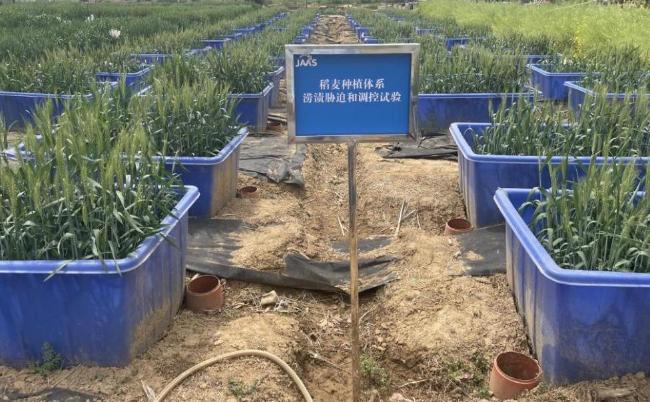
表1 小麦渍水胁迫和调控试验处理Table 1 Experimental treatment of waterlogging stress and regulation in wheat |
| 品种 | 生长阶段 | 试验时间阶段 | 渍水时长/d | 调控措施 |
|---|---|---|---|---|
| 扬麦25和扬麦39 | 拔节-孕穗期 | 2025年3月28日—4月12日 | 0 | 对照 |
| 10 | 硅肥调控 | |||
| 氨基酸调控 | ||||
| 渍水胁迫 | ||||
| 15 | 硅肥调控 | |||
| 氨基酸调控 | ||||
| 渍水胁迫 | ||||
| 扬麦25和扬麦39 | 开花-灌浆期 | 2025年4月7 —4月22日 | 0 | 对照 |
| 10 | 硅肥调控 | |||
| 氨基酸调控 | ||||
| 渍水胁迫 | ||||
| 15 | 硅肥调控 | |||
| 氨基酸调控 | ||||
| 渍水胁迫 |
试验期间利用大疆精灵4多光谱图像无人机(DJI P4)采集小麦冠层多光谱图像。DJI P4是一款具备多光谱成像功能的航拍飞行器。相机配备6个CMOS影像传感器,其中,1个彩色传感器用于常规可见光成像,5个单色传感器用于包含以下波段的多光谱成像:蓝(B)(450±16) nm;绿(G)(560±16) nm;红(R)(650±16) nm;红边(RE)(730±16) nm;近红外(NIR)(840±26) nm。机身顶部的多光谱光强传感器可检测5个波段的实时入射光强,从而对成像进行补偿,以获取更为精确的多光谱信息。多光谱图像分辨率是1 600×1 300像素。多光谱图像都是在晴天,无云条件下,北京时间11:00—13:00时间段进行采集。采用无人机悬停小麦冠层2~3 m采集小麦冠层数据。同时采集1张灰板图像用于多光谱图像辐射校正。
1.2 数据集构建
利用Python和算法对获得的5张单波段图像进行辐射校正、几何校正等预处理,然后利用图像匹配算法把单波段图像合成多波段图像。土壤、阴影等图像背景采用EVI(Enhanced Vegetation Index)植被指数、阈值计算和图像掩码计算的方法去除。EVI植被指数计算如公式(1) 所示。
EVI=NIR–Blue+Green–Red
式中:NIR、Blue、Green、Red分别是近红外、蓝、绿、红波段。其中多光谱图像剔除背景信息的过程如图2所示。
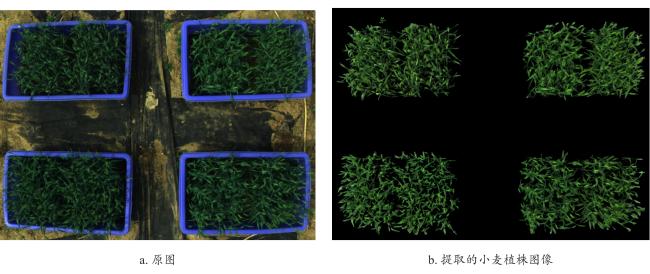
处理后的多光谱图像被分成对照、渍水胁迫、硅肥调控及氨基酸调控4个类别。对照图像选取渍水胁迫和调控试验期间采集的无试验处理小麦多光谱图像;渍水胁迫选取渍水5 d到渍水结束后7 d内的多光谱图像;调控选取实施调控3 d后到渍水试验结束后7 d内的多光谱图像。分层抽样方法用于数据集划分,即每个类别的原始图像分别按7:1.5∶1.5的比例随机划分为训练、验证和测试数据集。然后把原始图像分割成48×48像素大小的数据块。数据集基本信息如表2所示。数据集共包含15 485个多光谱图像。
表2 麦渍水胁迫和调控数据集基本信息Table 2 Information of wheat waterlogging stress and regulation dataset |
| 类别 | 编码 | 图像大小 | 数量 |
|---|---|---|---|
| 对照 | ck | 48×48×5 | 3 169 |
| 硅肥调控 | tkgg | 48×48×5 | 4 605 |
| 氨基酸调控 | tkajs | 48×48×5 | 4 870 |
| 渍水胁迫 | zsxp | 48×48×5 | 2 841 |
2 研究方法
2.1 识别模型
VGG模型使用3×3的卷积核和2×2的池化核,来减少模型参数和计算量,同时加深网络结构来提升模型识别能力。VGG19是VGG网络模型中应用较广泛的模型结构。VGG19模型由16个卷积层、3个全连接层、5个池化层和2个dropout层构成。卷积层共分为5个卷积块,每个卷积块由1组卷积层与激活函数,及1个最大池化函数组成。VGG19通过卷积层提取图像特征,池化层降低特征维度,全连接层对数据进行分类,softmax层输出图像属于某个类别的概率,最后得到每个类别的预测值。
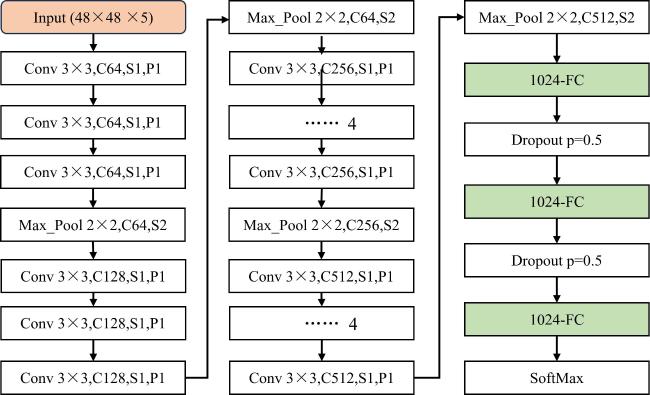
在VGG19模型基础上通过调整模型结构和参数构建的VGG21模型如图3所示。输入的图像为5通道的多光谱图像数据块,因此,第1层卷积输入参数改为48×48×5。为解决48×48的图像大小不够5次池化的问题,模型卷积块调整为4个,每个卷积块的卷积层数分别调整为3、3、6、6,共18个卷积层,每个卷积块后是1个最大池化层;每个卷积后的激活函数替换为LeakReLU函数。4个卷积块后是3个全连接层,全连接层参数为1 024;为避免过拟合,在全连接层加入2个Dropout层,P设为0.5。最后1层是SoftMax层,输出识别结果。
2.2 模型运行环境
模型基于Python 3.8、PyTorch 2.0.0及深度学习平台实现。PyTorch是一个用于机器学习和深度学习的开源深度学习框架,由Facebook于2016年发布,其主要实现了自动微分功能,具有丰富的深度学习模型库,并引入动态计算图使模型建立更加灵活。用于模型训练和测试的GPU是NVIDIA GEFORCE RTX 3090,该款GPU采用第2代NVIDIA RTX架构,搭载了全新的RT Core、Tensor Core及SM流式多处理器,CUDA核心数10496,显存24 GB。操作系统是Ubuntu 20.04。
2.3 模型性能评价指标
为评价识别模型性能,本研究选择正确率(Accuracy)、精度(Precision)、召回率(Recall)和F 1(F 1-score)作为模型性能评价指标。正确率表示正确分类样本数除以样本总数,正确率越高模型性能越好。精度是精确性的度量,表示被分为正例的样本中实际为正样本的比例。召回率是覆盖面的度量,衡量分类器对正样本的识别能力。F 1可以看作是模型精度和召回率的一种加权平均,其值越大模型性能越好。正确率、精度、召回率及F 1计算公式如公式(2)~公式(5) 所示。
Accuracy=(TP+TN)/(TP+TN+FP+FN)
Precision=TP/(TP+FP)
Recall=TP/(TP+FN)
F 1=2×(Precision×Recall)/(Precision+Recall)
式中:P为正样本(Positive);N为负样本(Negtive)数量;TP为正样本被分为正样本的个数;FP为负样本被分为正样本的个数;TN为负样本分为负样本的个数;FN为正样本分为负样本的个数。
3 结果与分析
3.1 模型结构改进前后性能对比
为验证VGG21模型性能,在相同条件下通过交叉验证,统计Resnet50、SWIN-Transformer、VGG19、VGG21及VGG23模型的正确率、精度和召回率。选择硅肥处理和渍水胁迫两个类别构建数据集用于模型训练和测试。训练过程中采用AdamW作为模型参数优化器,采用余弦退火策略调整学习率,学习批次为128,损失函数为标签平滑交叉熵。试验结果如表3所示。
表3 Resnet50、SWIN-Transformer、VGG19、VGG21及VGG23模型性能对比Table 3 Performance of Resnet50,SWIN-Transformer, VGG19, VGG21, and VGG23 model |
| 模型 | 正确率/% | 类别 | 精度/% | 召回率/% | F 1/% | 参数量/M |
|---|---|---|---|---|---|---|
| Resnet50 | 74.42 | 硅肥调控 | 83.77 | 76.13 | 79.76 | 22.43 |
| 渍水胁迫 | 60.29 | 71.08 | 65.24 | |||
| SWIN-Transformer | 83.53 | 硅肥调控 | 88.86 | 84.55 | 85.65 | 6.58 |
| 渍水胁迫 | 75.47 | 81.76 | 78.49 | |||
| VGG19 | 90.14 | 硅肥调控 | 96.15 | 88.48 | 92.16 | 18.59 |
| 渍水胁迫 | 81.08 | 93.30 | 86.76 | |||
| VGG21 | 91.04 | 硅肥调控 | 96.42 | 89.53 | 92.85 | 21.40 |
| 渍水胁迫 | 82.95 | 93.88 | 88.08 | |||
| VGG23 | 90.07 | 硅肥调控 | 97.94 | 87.15 | 92.23 | 24.22 |
| 渍水胁迫 | 78.17 | 96.16 | 86.24 |
Resnet50模型的正确率最低。SWIN-Transformer模型比Resnet50表现较好,正确率达到83.53%,但2个模型的正确率都低于VGG模型。3个VGG模型的正确率都达到90%以上。从VGG19到VGG23逐次增加2个卷积层,卷积模块都为4,卷积层数分别是3、3、5、5和3、3、7、7。增加模型深度后,VGG21的性能有明显提高。VGG23模型正确率不增反降,参数量增加2.82M。综上所述,本研究选择综合性能较好的VGG21作为小麦调控效果识别模型,其架构和参数如图4所示。
3.2 基于产量的小麦渍害调控效果
3.3 基于VGG21模型的不同调控措施识别性能分析
利用VGG21模型分别构建硅肥调控和胁迫识别模型、氨基酸调控和胁迫识别模型。在相同的试验条件下对模型进行训练、交叉验证,模型性能指标如表4所示。结果表明硅肥调控和胁迫识别模型的性能最好,正确率达到91.05%,比氨基酸肥调控和渍水胁迫识别模型高21.43个百分点;模型对硅肥调控样本的识别精度、召回率和F 1分别达到96.42%、89.53%和92.85%,比对氨基酸肥调控样本分别高11.07、18.94、15.58个百分点;对胁迫样品的识别精度、召回率和F 1值比氨基酸肥调控和渍水胁迫识别模型高26个百分点以上。2个模型所用数据集的胁迫样本是相同的,这说明硅肥调控样本和胁迫样本的特征差别大,可识别性更好,既硅肥调控样本的光谱和图像特征更显著。对比识别模型性能与测产结果表明调控效果越好产量越高,植株光谱和图像特征越显著,可识别性越好。
表4 VGG21模型性能Table 4 Performance of VGG21 model |
| 模型 | 类别 | 正确率/% | 精度/% | 召回率/% | F 1/% |
|---|---|---|---|---|---|
| 胁迫和硅肥调控识别模型 | 硅肥调控 | 91.05 | 96.42 | 89.53 | 92.85 |
| 胁迫 | 82.95 | 93.88 | 88.08 | ||
| 胁迫和氨基酸调控识别模型 | 氨基酸调控 | 69.62 | 85.35 | 70.59 | 77.27 |
| 胁迫 | 45.53 | 66.97 | 54.21 |
把硅肥调控和胁迫识别模型用于氨基酸调控和胁迫测试数据集,识别结果如表5所示。识别正确率达到73.44%,高出氨基酸调控和胁迫识别模型3.82个百分点。对氨基酸调控样本的识别精度、召回率和F 1值分别达到64.77%、89.15%、75.03%。综合评价,硅肥调控和胁迫识别模型可以用于氨基酸调控植株识别。
表5 硅肥调控识别模型用于氨基酸调控样本识别结果Table 5 Performance of silicon fertilizer regulation recognition model for amino acid regulation sample |
| 模型 | 类别 | 正确率/% | 精度/% | 召回率/% | F 1/% |
|---|---|---|---|---|---|
| 胁迫和硅肥调控识别模型 | 氨基酸 | 73.44 | 64.77 | 89.15 | 75.03 |
| 胁迫 | 87.35 | 60.70 | 71.63 |
3.4 基于VGG21模型的调控效果识别
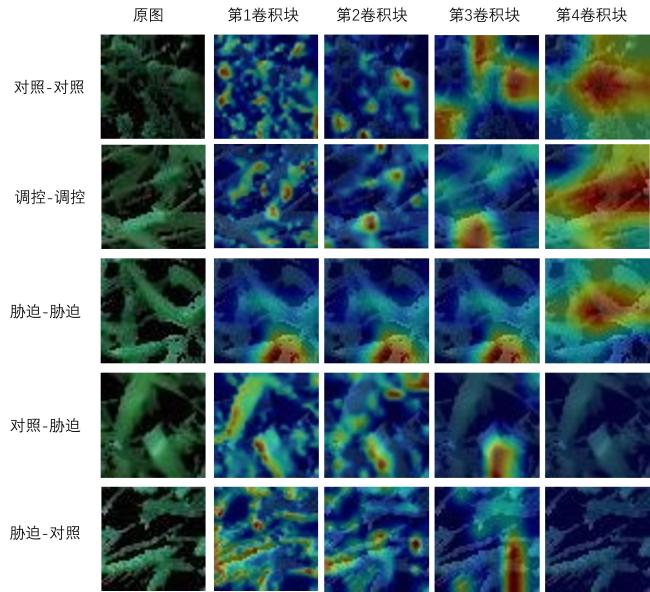
利用VGG21模型构建了对照、胁迫和硅肥调控多类别识别模型,模型性能指标如表6所示。模型正确率达到77.45%,其中调控样本的识别精度和F 1值达到91%以上,召回率达到88%以上。相比于对照和胁迫样本,调控样本的可识别性更好。说明调控后小麦植株光谱和图像特征显著,即调控措施对小麦的生理生化特征改变较大,使其光谱特征更加显著。图6是模型混淆矩阵。从模型混淆矩阵可知,对照和渍水胁迫之间识别错误比例较高,而调控样本与对照、渍水胁迫样本间识别错误比例较低。图7是对照、胁迫和硅肥调控VGG21识别模型4个卷积块输出的热力图。根据混淆矩阵分析结果,主要选取了识别正确的对照、调控和胁迫图像,及对照和胁迫间识别错误图像的热力图。从图可知,模型前3个卷积块的热点都集中在小麦叶片上,第4个卷积块后,正确分类图像的热点仍比较集中,但错误分类图像的热点比较分散,甚至没有热点,即样本的光谱和图像特征不明显。热力点分散的图像在对照和胁迫样本中占比较高,造成识别错误,导致模型总体识别正确率偏低。
表6 基于VGG21的对照、胁迫和硅肥调控识别模型性能Table 6 Performance of CK, waterlogging stress, and silicon fertilizer regulation recognition model based on VGG21 |
| 模型 | 类别 | 正确率/% | 精度/% | 召回率/% | F 1/% |
|---|---|---|---|---|---|
| 对照、胁迫和硅肥调控识别模型 | 硅肥调控 | 77.45 | 95.13 | 88.71 | 91.80 |
| 对照 | 65.88 | 67.91 | 66.88 | ||
| 胁迫 | 62.15 | 67.68 | 64.80 |
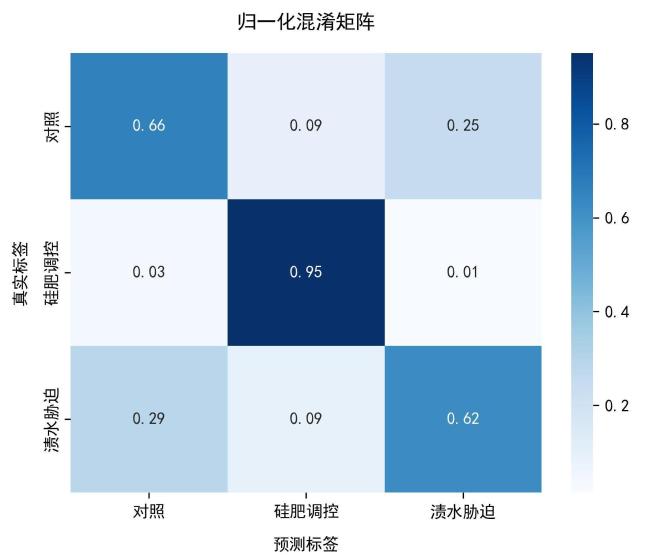
图6 对照、胁迫和硅肥调控VGG21识别模型混淆矩阵Fig. 6 Confusion matrix of VGG21 model for CK, waterlogging stress, and silicon fertilizer |
3.5 讨 论
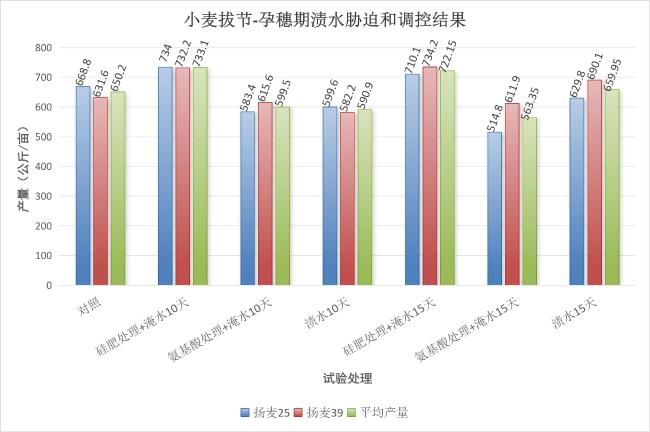
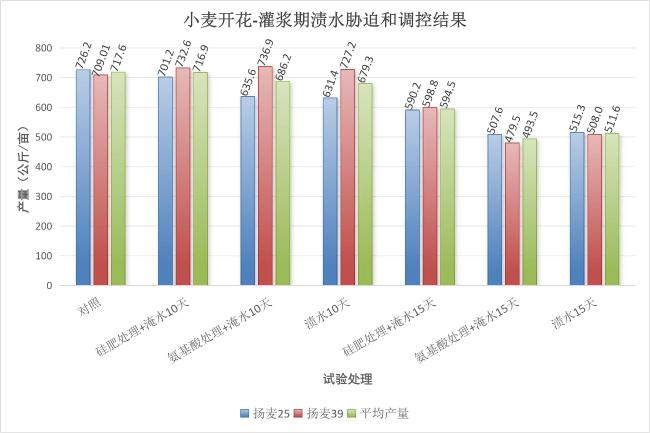
本研究通过小麦渍水胁迫和调控试验,利用多光谱无人机在试验期间采集小麦冠层多光谱图像,经预处理建立模型训练测试数据集。小麦成熟后,通过收割测产,获得每个处理的产量。产量统计分析结果表明随着渍水时长的增加,产量逐渐减少,两种调控措施都有显著调控效果,且硅肥调控效果优于氨基酸肥。前人研究结果表明硅肥和氨基酸肥可增加作物叶绿素、蔗糖、游离态氨基酸、叶片脯氨酸、超氧化物歧化酶(SOD,Superoxide Dismutase)、过氧化物酶(POD,Peroxidase)、过氧化氢酶(CAT,Catalase)等含量,提高作物抗逆性[8, 19]。渍水胁迫和抗逆调控后,作物生理生化指标和表型出现变化,从而表现出较明显的光谱和图像特征;且受胁迫越严重或调控效果越好,变化越大,与最终产量相关性越显著[20, 21]。这些为本研究提供基础理论支撑。基于VGG19模型,通过增加卷积层、调整卷积块和卷积层数、优化超参等,构建了VGG21识别模型。相同试验条件下,构建的硅肥调控和渍水胁迫识别模型的正确率达到91.05%,比氨基酸肥调控和渍水胁迫识别模型高21.43个百分点,模型对调控样本的精度、召回率和F 1值分别高11.07、18.94、15.58个百分点;对胁迫样品的识别精度、召回率和F 1值比氨基酸肥调控和渍水胁迫识别模型高26个百分点以上。同样的胁迫样品情况下,对比结果表明硅肥调控样品和胁迫样品间可识别性更好,同时说明硅肥调控样品光谱特征和图像特征更显著。利用VGG21模型构建了对照、硅肥调控和渍水胁迫识别模型,调控样本的识别精度、召回率和F 1分别达到95.77%、88.71%和91.80%。模型混淆矩阵表明对照和胁迫样本相互错分的比例较高,造成模型识别正确率较低,仅达到77.45%。VGG21模型4个卷积块的热力图分析结果表明错分的对照和胁迫样本经过第4个卷积块后,输出特征的热点较分散或消失,且这样的样品占比较多,这是造成模型对这两种样本识别较差的原因,也导致模型整体识别正确率较低。未来研究中,可以提高小麦受渍水胁迫程度,提高多光谱图像空间和光谱分辨率,及模型识别性能,从而提高模型对胁迫和对照样本识别精度。结合VGG21和无人机多光谱图像可以实现对渍水胁迫调控效果较好植株的识别,且识别精度能达到95%以上,但调控效果识别结果与产量间的定量关系还不明确。未来研究中,要定量化调控措施的增产效果,然后通过统计学方法定量化增产效果和识别指标间的定量关系。
4 结 论
基于无人机多光谱图像和VGG21模型构建的小麦渍水胁迫和调控效果识别模型,对调控效果较好的样本识别精度较好,识别精度能达到95%以上。与依据产量评估的调控效果对比结果表明,硅肥调控效果优于氨基酸肥,硅肥调控后的小麦植株,生理生化指标变化明显,光谱和图像特征显著,可识别性更好。此项技术可以用于小麦渍水胁迫和调控效果快速、准确、无损检测和识别;可为小麦渍害综合防控,及小麦精细化、智能化管理提供技术支持。但模型还存在一定的局限性,如对胁迫样本和对照样本的识别精度不高,调控效果识别结果与产量间的定量关系不明确等。下一步,继续开展小麦渍水和胁迫控制试验,严格控制试验条件,首先定量化调控效果,然后通过增加胁迫强度和等级,完善小麦渍水胁迫和调控多光谱图像数据集,优化完善识别模型,提升模型对胁迫样本的识别精度,建立识别结果与调控增产间的定量关系。