DU Jun1,2, SHAN Guofu1, ZHANG Hao1, LI Sihan1, WEI Wei1,2( )
)
Received:2026-02-03
Online:2026-05-11
Foundation items:National Natural Science Foundation of China(32101625); Fundamental Research Funds for the Central Universities, Key Project of Huazhong Agricultural University - Interdisciplinary Research Special Project(2662024JC002); National Key Research and Development Program of China(2020YFD1000904); National Natural Science Foundation of China(32271994); Hubei Provincial Technology Innovation Program(2024BB047)
corresponding author:
CLC Number:
DU Jun, SHAN Guofu, ZHANG Hao, LI Sihan, WEI Wei. Research on Inversion Model of Electrical Conductivity in Soda Saline-Alkali Soil Based on Spectral-Image Fusion[J]. Smart Agriculture, doi: 10.12133/j.smartag.SA202602011.
Add to citation manager EndNote|Ris|BibTeX
URL: https://www.smartag.net.cn/EN/10.12133/j.smartag.SA202602011
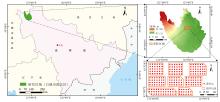
Fig.1
Study area and sampling information
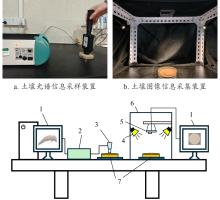
Fig. 2
Soli spectrum-image information acquisition device and schematic diagram
Fig. 3
Soil spectrum-image data collection and screening process
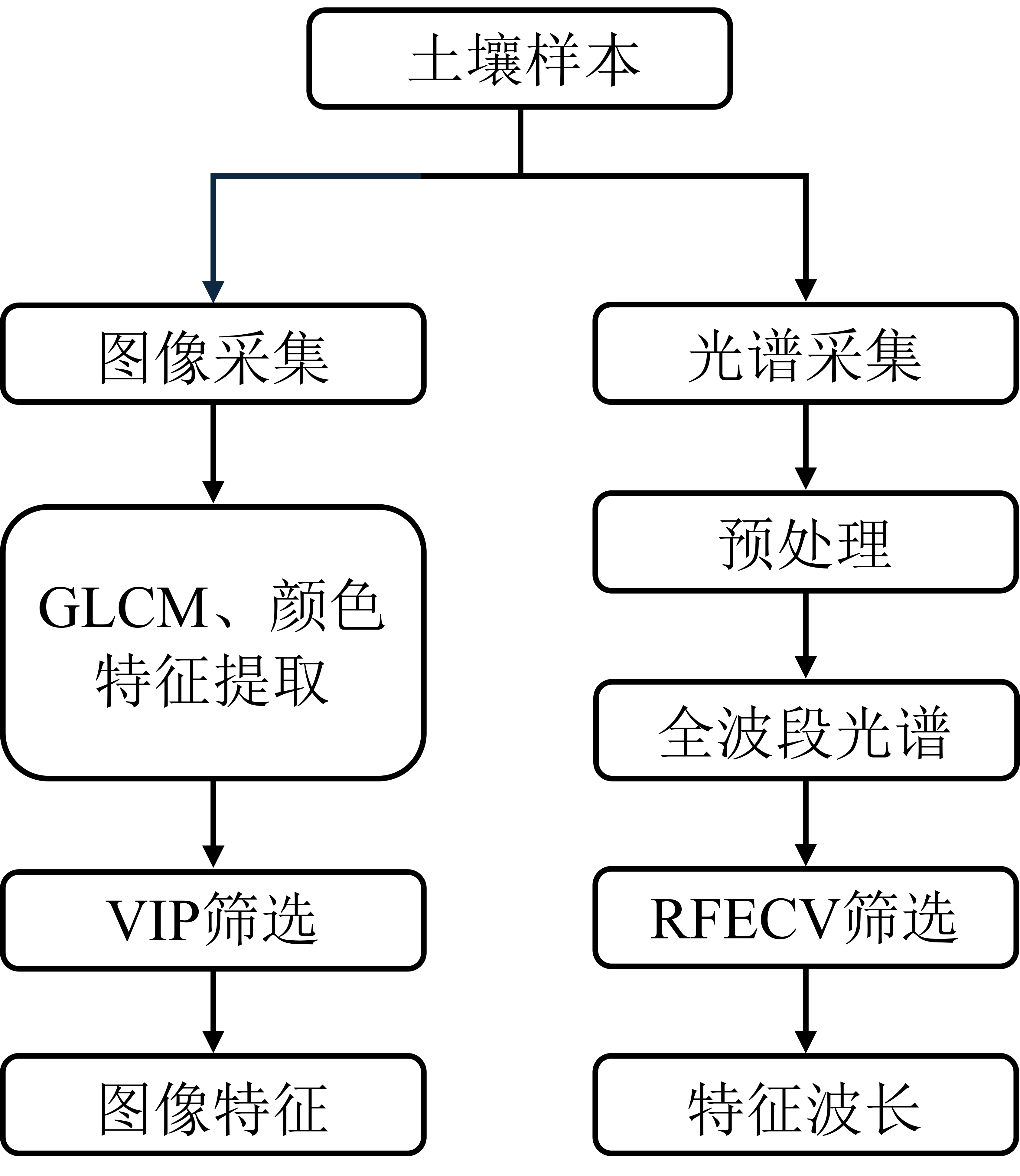
Fig. 4
Spectrum-image data-level fusion model
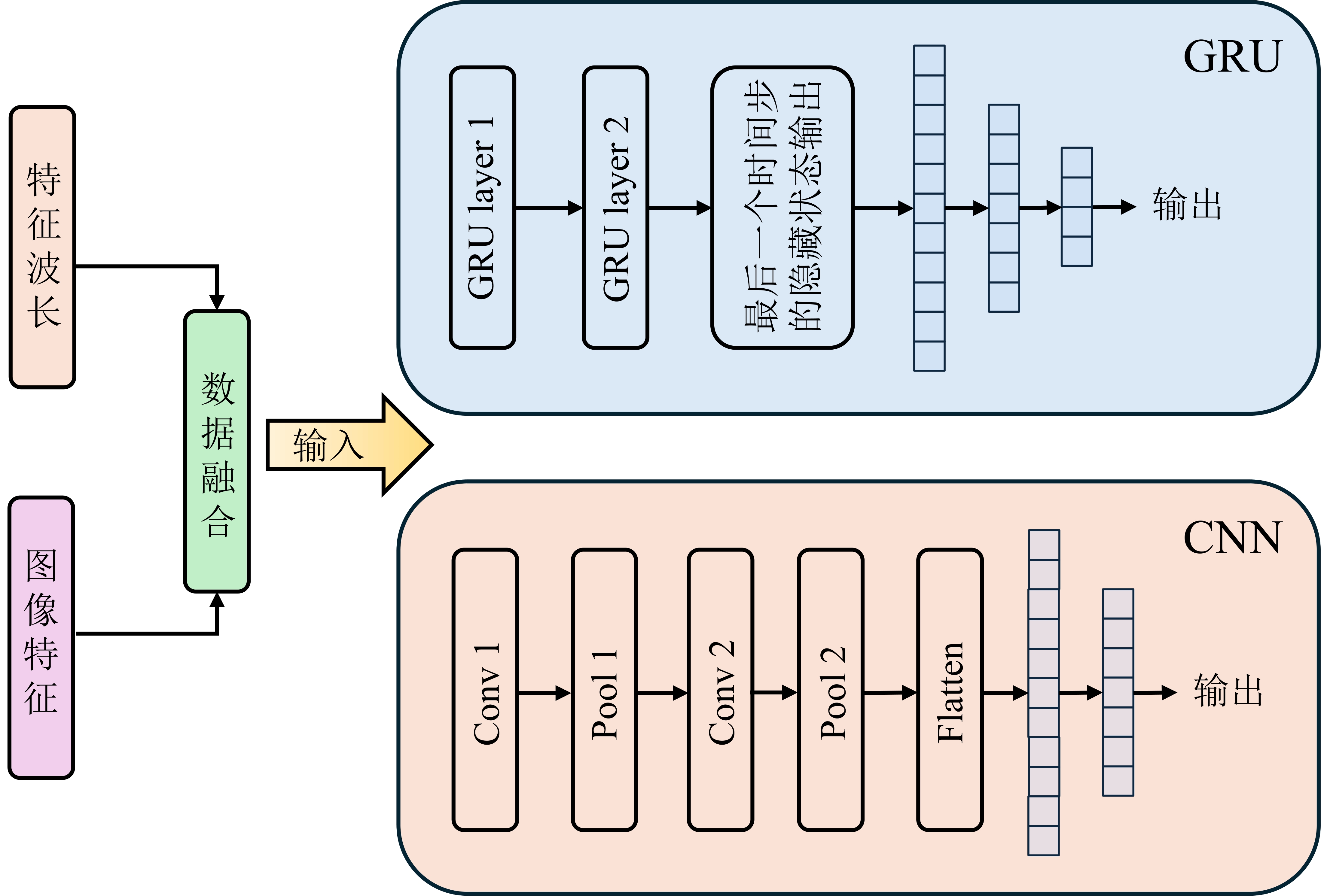
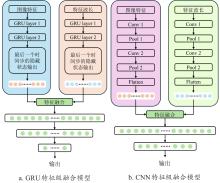
Fig. 5
Spectrum-image feature-level fusion model
Table 1
Statistical characteristics of EC values of soil samples
| 数据 | 最小值 | 最大值 | 中位数 | 均值 | 标准差 | 变异系数/% |
|---|---|---|---|---|---|---|
| 整体 | 123.10 | 1 178.50 | 346.00 | 458.28 | 286.11 | 62 |
| 训练集 | 124.70 | 1 178.50 | 391.00 | 473.08 | 288.22 | 61 |
| 测试集 | 123.10 | 912.00 | 233.50 | 399.46 | 269.65 | 68 |
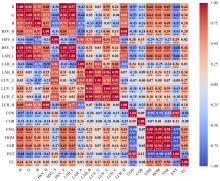
Fig. 6
EC and image features correlation heatmap

Fig. 7
VIP importance radar chart of soil image features
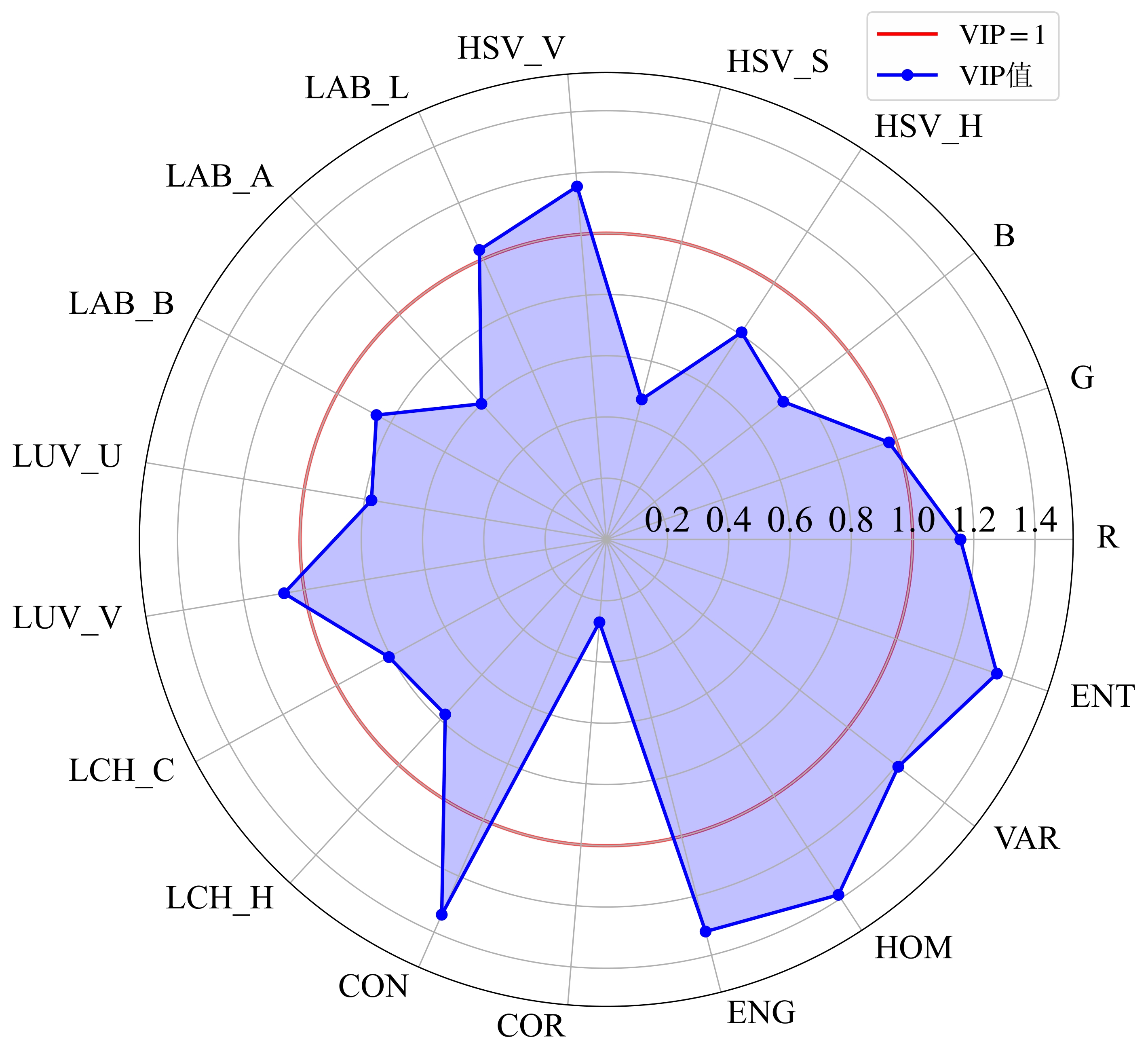
Fig. 8
Line chart of image feature values in different electrical conductivity intervals
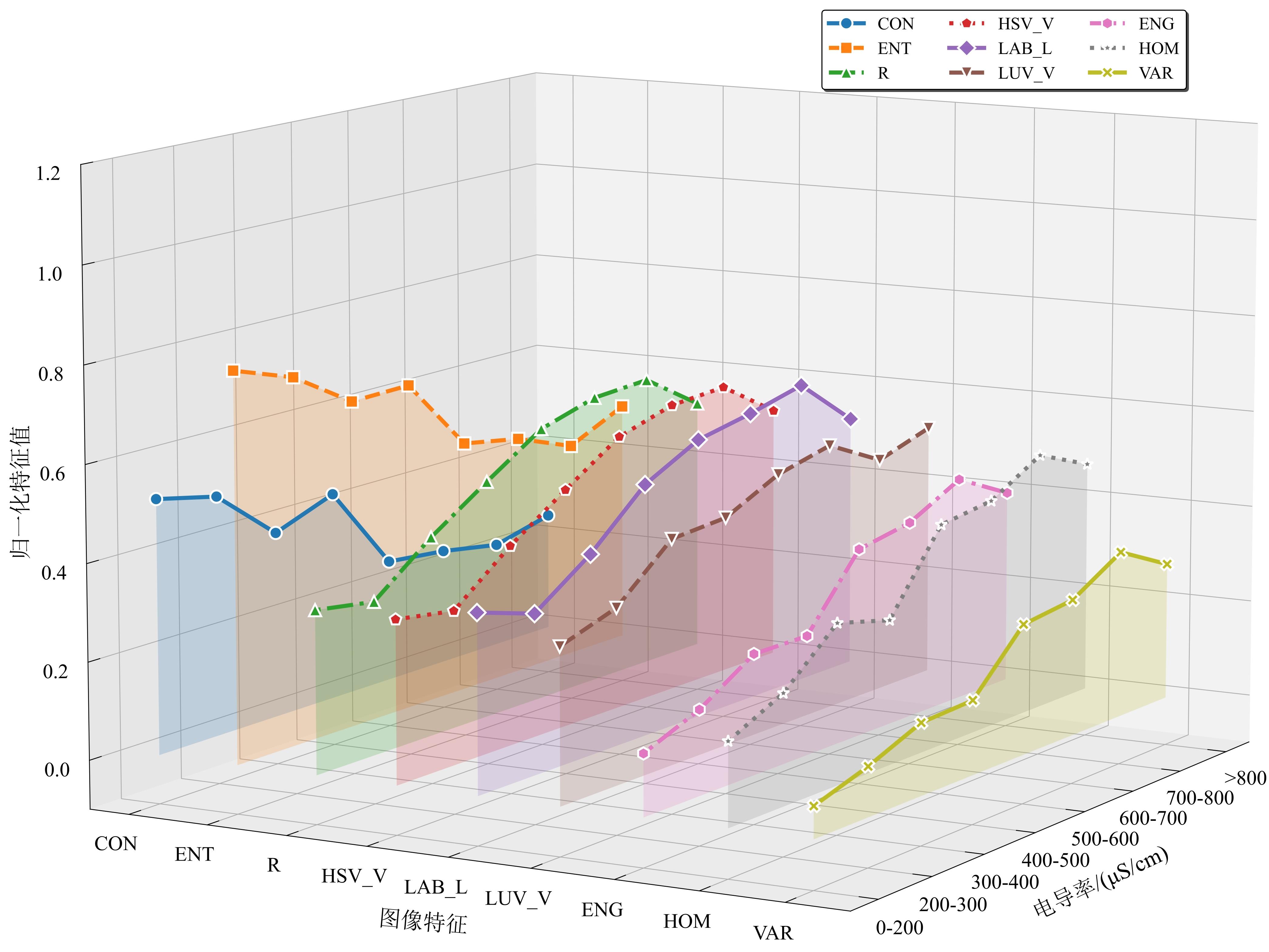
Table 2
Performance comparison of models before and after soil image feature screening
| 模型 | 输入特征 | 训练集 | 测试集 | ||
|---|---|---|---|---|---|
| R 2 | RMSE/(μS/cm) | R 2 | RMSE/(μS/cm) | ||
| CNN | 全图像特征 | 0.553 2 | 192.662 9 | 0.511 1 | 188.552 5 |
| 优选图像特征 | 0.761 9 | 140.634 2 | 0.666 3 | 155.774 5 | |
| GRU | 全图像特征 | 0.536 9 | 196.147 7 | 0.487 0 | 193.140 7 |
| 优选图像特征 | 0.749 2 | 144.335 4 | 0.608 2 | 168.786 4 | |
| PLSR | 全图像特征 | 0.384 9 | 218.888 1 | 0.409 0 | 207.289 0 |
| 优选图像特征 | 0.369 7 | 225.469 6 | 0.449 1 | 200.449 1 | |
Table 3
Performance comparison of models before and after spectral feature screening for soil EC
| 模型 | 输入特征 | 训练集 | 测试集 | ||
|---|---|---|---|---|---|
| R 2 | RMSE/(μS/cm) | R 2 | RMSE/(μS/cm) | ||
| CNN | 全谱段 | 0.948 5 | 65.408 6 | 0.892 8 | 88.291 3 |
| 特征波长 | 0.912 8 | 85.089 4 | 0.895 7 | 87.069 0 | |
| GRU | 全谱段 | 0.941 8 | 69.512 6 | 0.882 5 | 92.416 7 |
| 特征波长 | 0.878 5 | 100.457 3 | 0.877 0 | 94.589 2 | |
| PLSR | 全谱段 特征波长 | 0.981 7 0.856 0 | 38.646 1 108.314 4 | 0.735 6 0.808 9 | 147.852 9 125.705 3 |
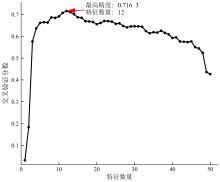
Fig. 9
RFECV validation accuracy curve
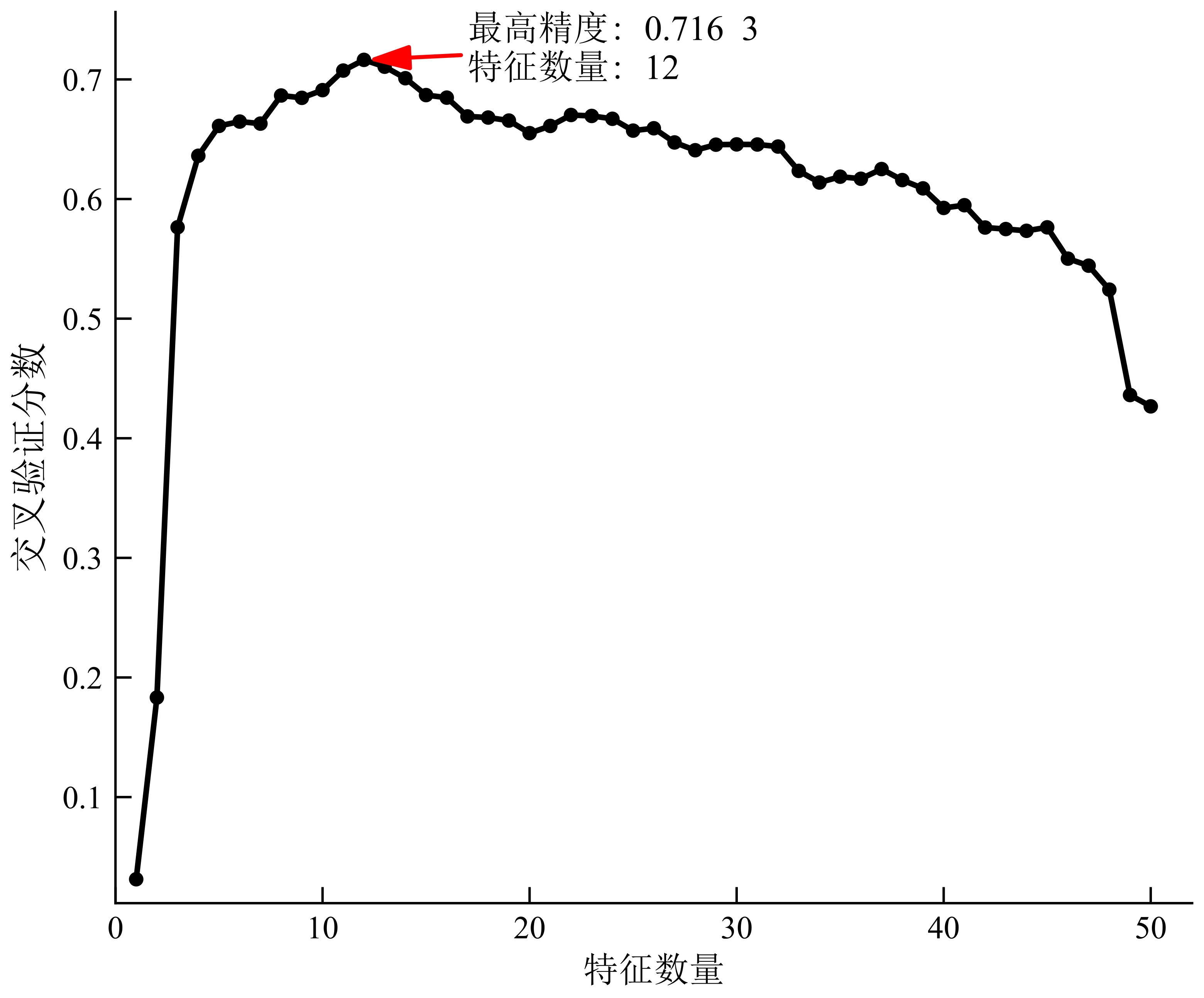
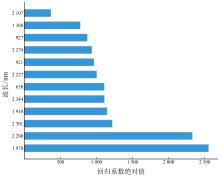
Fig. 10
Evaluation results of relative importance of soil spectral features
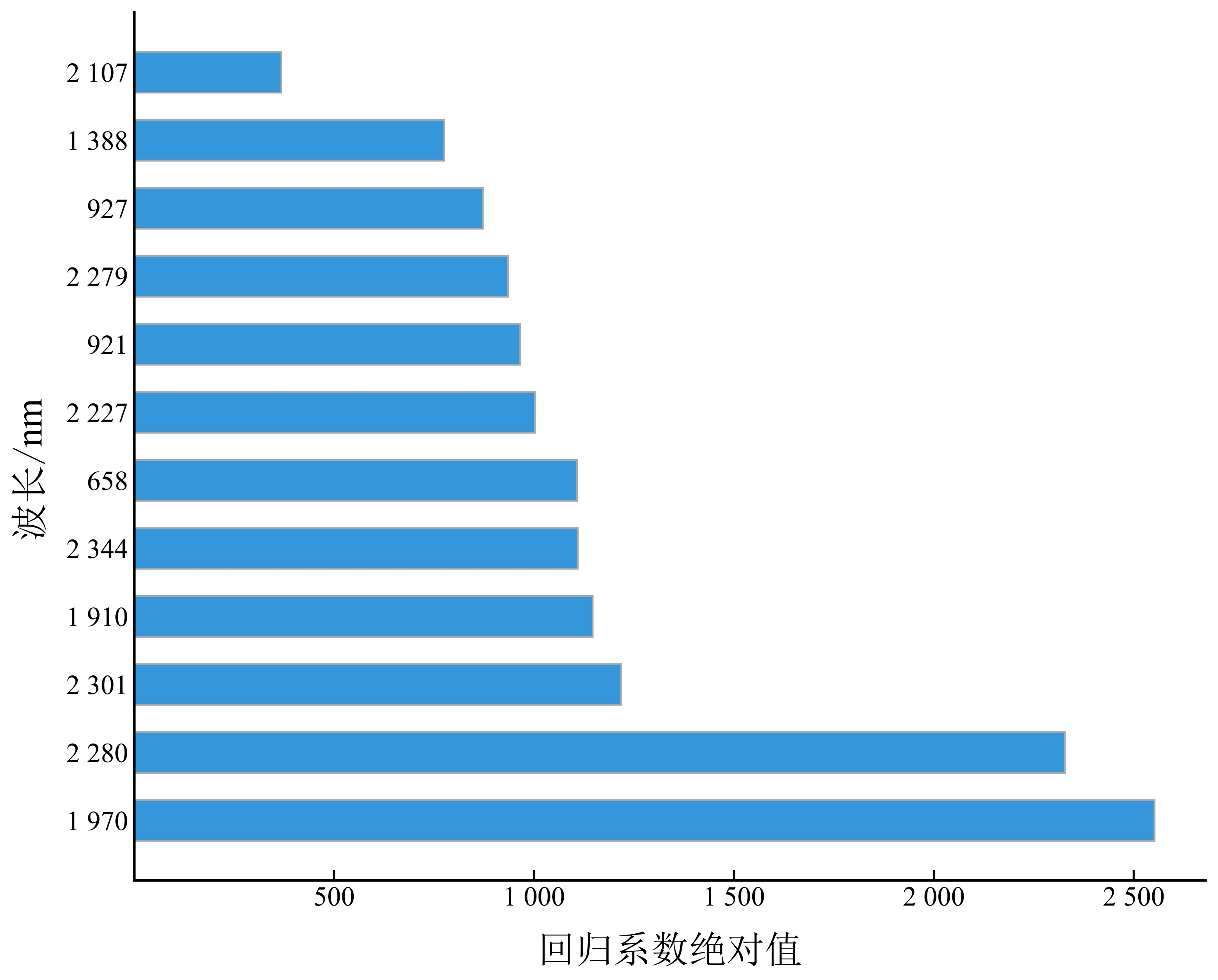
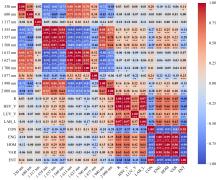
Fig. 11
Correlation heatmap of soil EC with spectral and image features
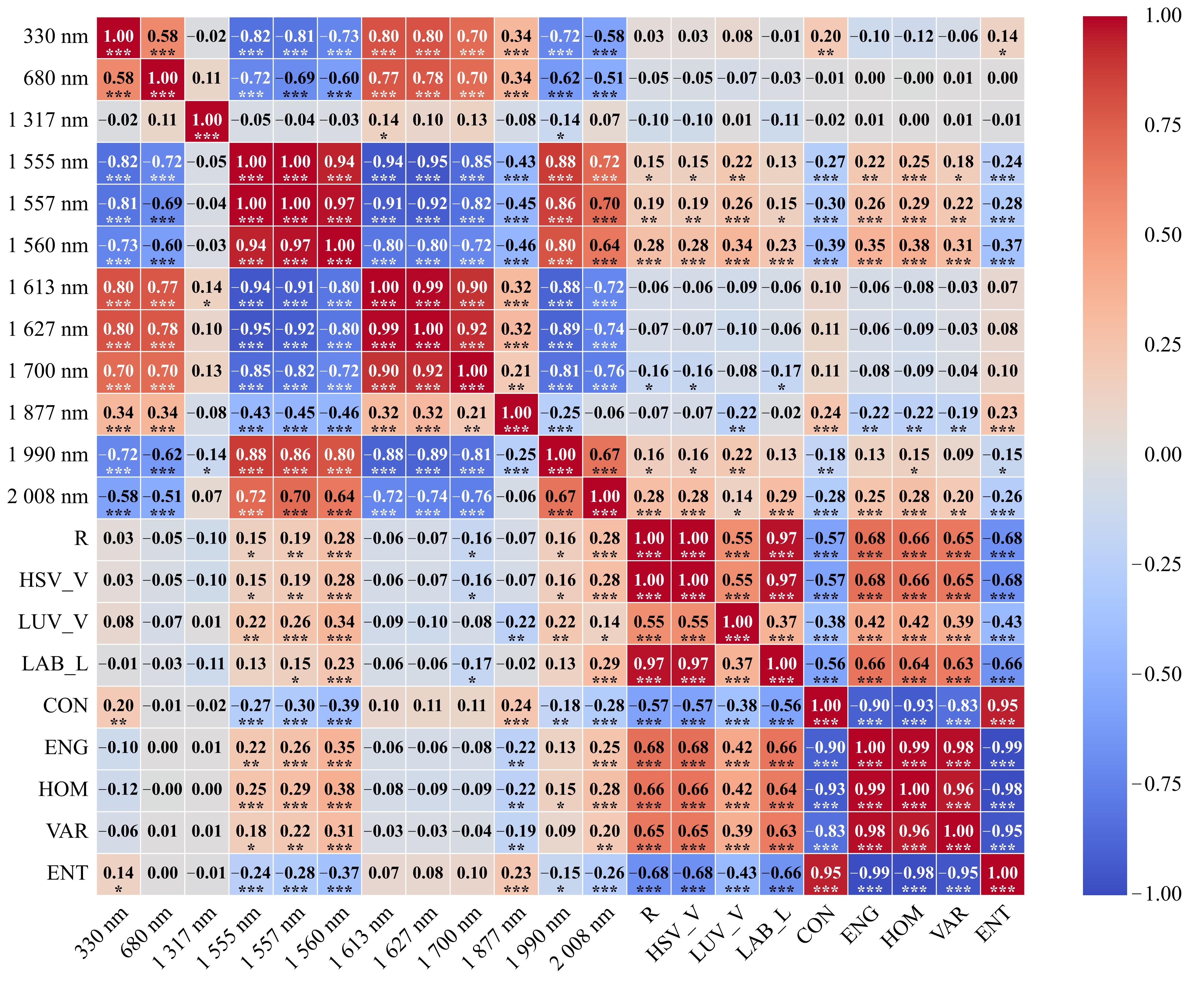
Table 4
Performance comparison of EC inversion models with different fusion strategies
| 模型 | 输入特征 | 训练集 | 测试集 | ||
|---|---|---|---|---|---|
| R 2 | RMSE/(μS/cm) | R 2 | RMSE/(μS/cm) | ||
| CNN | 数据级融合 | 0.955 6 | 60.724 5 | 0.920 2 | 76.149 9 |
| 特征级融合 | 0.951 6 | 64.426 8 | 0.924 9 | 73.908 8 | |
| GRU | 数据级融合 | 0.937 7 | 71.919 4 | 0.906 9 | 82.288 9 |
| 特征级融合 | 0.931 0 | 75.732 8 | 0.921 4 | 75.616 7 | |
| PLSR | 数据级融合 | 0.868 6 | 103.446 9 | 0.816 4 | 123.216 2 |
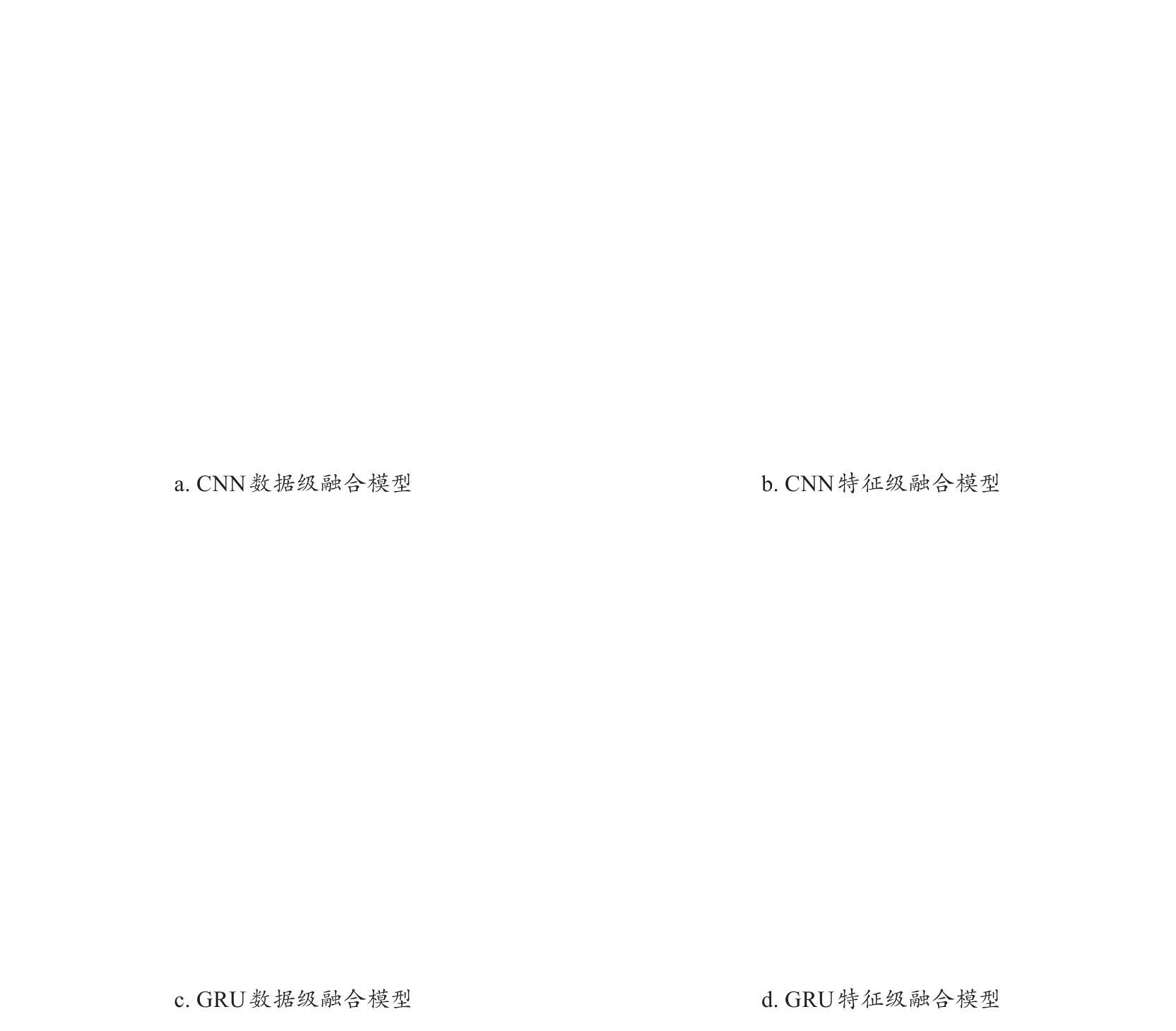
Fig. 12
Scatter plot of predicted and measured values of soil EC based on spectrum-image fusion model
| [1] |
|
| [2] |
|
| [3] |
田安红, 赵俊三, 张顺吉, 等. 基于分数阶微分的盐渍土电导率高光谱估算研究[J]. 中国生态农业学报(中英文), 2020, 28(4): 599-607.
|
|
|
|
| [4] |
王怡婧, 丁启东, 张俊华, 等. 基于无人机高光谱遥感和机器学习的土壤水盐信息反演[J]. 应用生态学报, 2023, 34(11): 3045-3052.
|
|
|
|
| [5] |
|
| [6] |
|
| [7] |
杨吉存, 郭兵. 基于FOD-CNN光谱指数的滨海地区盐渍化估算模型[J]. 农业工程学报, 2025, 41(15): 76-85.
|
|
|
|
| [8] |
李佳怿, 张翼腾, 周宝闯, 等. 光谱技术结合水分校正与样本增广的棉田土壤盐分精准反演[J]. 农业工程学报, 2024, 40(1): 171-181.
|
|
|
|
| [9] |
王海江, 蒋天池,
|
|
|
|
| [10] |
宋岩, 柴明堂, 李王成, 等. 基于RGB和纹理特征的土壤表层水盐信息反演方法[J]. 中国农业科学, 2025, 58(6): 1159-1172.
|
|
|
|
| [11] |
徐璐, 王慧, 邱思怡, 等. 基于数码相片和颜色空间转换的滨海土壤盐渍化定量估算[J]. 光谱学与光谱分析, 2021, 41(8): 2409-2414.
|
|
|
|
| [12] |
|
| [13] |
|
| [14] |
|
| [15] |
|
| [16] |
|
| [17] |
周道玮, 胡娟, 李强, 等. 松嫩平原盐碱地研究进展[J]. 生态学杂志, 2025, 44(5): 1671-1677.
|
|
|
|
| [18] |
张恒, 梁太波, 宋效东, 等. 基于高光谱成像的烟田土壤pH估测[J]. 西南农业学报, 2023, 36(12): 2771-2779.
|
|
|
|
| [19] |
梅轩铭, 胡耀华, 张浩天, 等. 基于高光谱成像技术判别马铃薯叶片干旱状态[J]. 干旱地区农业研究, 2024, 42(5): 246-254.
|
|
|
|
| [20] |
|
| [21] |
|
| [22] |
谢坪良, 张智韬, 巴亚岚, 等. 基于无人机图像纹理和表型参数的夏玉米水分胁迫诊断[J]. 农业工程学报, 2024, 40(10): 136-146.
|
|
|
|
| [23] |
向友珍, 李汪洋, 台翔, 等. 基于无人机遥感图像纹理与植被指数的土壤含盐量反演[J]. 农业机械学报, 2023, 54(8): 201-210.
|
|
|
|
| [24] |
赵玉霞, 张明锦, 王茹, 等. 反向传播神经网络结合紫外-近红外融合光谱对"互助"青稞酒的判别研究[J]. 光谱学与光谱分析, 2025, 45(5): 1290-1299.
|
|
|
|
| [25] |
白川平, 张芳琴, 周明全. 基于深度学习的多模态数据融合技术研究进展[J]. 信息系统工程, 2025(5): 56-59.
|
|
|
|
| [26] |
|
| [27] |
黄锐, 彭安, 胡家祥, 等. 基于多通道CNN-GRU的表面增强拉曼光谱对毒品的模糊识别[J]. 中国科学: 化学, 2023, 53(5): 861-873.
|
|
|
|
| [28] |
|
| [29] |
|
| [30] |
|
| [31] |
张俊华, 孙媛, 贾科利, 等. 不同盐结皮光谱特征及其盐渍化信息预测研究[J]. 农业机械学报, 2018, 49(12): 325-333, 370.
|
|
|
|
| [32] |
|
| [33] |
林卡, 李德成, 刘峰, 等. 基于可见-近红外反射光谱的土壤碳酸钙含量与反演效果关系研究[J]. 土壤学报, 2018, 55(2): 304-312.
|
|
|
|
| [34] |
翟文羽, 陈磊, 徐艺轩, 等. 利用光谱吸收深度定量反演碳酸盐矿物的影响因素及应用分析[J]. 光谱学与光谱分析, 2021, 41(7): 2226-2232.
|
|
|
|
| [35] |
|
| [36] |
|
| [37] |
|
| [1] | XUE Zhicheng, ZHANG Yongli, ZHANG Jianxing, CHEN Fei, HUAN Kewei, ZHAO Baishun. Detection of Amylose in Fresh Corn Ears Based on Near-Infrared Spectroscopy [J]. Smart Agriculture, 2025, 7(4): 132-140. |
| Viewed | ||||||
|
Full text |
|
|||||
|
Abstract |
|
|||||