Smart Agriculture ›› 2026, Vol. 8 ›› Issue (3): 119-131.doi: 10.12133/j.smartag.SA202512008
• 专刊--数字技术赋能与农业经济范式转型 • 上一篇 下一篇
丁凡琳1,2( )
)
收稿日期:2025-12-09
出版日期:2026-05-30
基金项目:通信作者:
DING Fanlin1,2()
Received:2025-12-09
Online:2026-05-30
Foundation items:National Natural Science Foundation of China(72404151)
Corresponding author:摘要:
【目的/意义】 确立“双碳”目标以来,促进居民生活方式低碳转型成为高质量发展的重要议题。本文通过对国内外相关文献的述评,旨在归纳当前农村居民生活方式低碳转型的难点与数字化赋能的可行路径,为该领域研究及相关政策设计提供参考。 【进展】 通过梳理居民行为研究的主流理论与研究进展,提出当前农村居民生活方式低碳转型的难点主要表现为居民行为需要外部因素强刺激和意识转变还需内在认知渐浸润。进而从数字技术、数字平台两个维度探究数字化背景下农村居民生活方式低碳转型的可行性,并从国家和地方层面对低碳行为驱动政策的研究进行了评述。 【结论/展望】 数字化发展可以通过数字技术提升居民生活体验与效率、以数字金融产品与服务形成新兴载体、以信息的数字化传播扩展认知空间,以及数字社交潜移默化转变固有观念等赋能路径对农村居民生活方式转型形成助力。未来研究还可以从农村居民特征适配的意识与行为引导、生活场景中数字化驱动的深度挖掘、数字化影响的异质性,以及减碳政策的双向优化等角度开展。
中图分类号:
丁凡琳. 数字化背景下农村居民生活方式低碳转型研究综述[J]. 智慧农业(中英文), 2026, 8(3): 119-131.
DING Fanlin. The Low-Carbon Transition of Rural Residents' Lifestyle through Digital Empowerment: A Review[J]. Smart Agriculture, 2026, 8(3): 119-131.
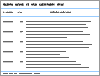
表1
农村居民行为与认知相关研究文献
| 研究主题 | 研究进展 | 主要参考文献 |
|---|---|---|
| 农村居民行为特征分析 | 基于经济学、行为学理论分析农村居民行为特征及其影响因素,通过与城市居民比较得出,影响农村居民行为的因素存在差异且更为复杂 | 唐博文和郭军[ |
| 社会关系与群体行为对农村居民影响较农村尤为凸显。不同于城市居民,对于农村居民行为动因的研究需要将地缘、血缘等社会因素考虑在内 | 贾晋等[ | |
| 农村居民认知场景分析 | 当前农村居民环保行为主要表现在节能或使用清洁能源方面,以受成本驱动为主,意识驱动路径有待强化。低碳信息的农村居民可触达度不足、缺少价值认同是居民低碳认知难以形成的原因 | 蒋琳莉等[ |
| 由于农村碳排放数据统计监测体系不完善、农村低碳技术创新和应用推广不足,可获得低碳信息的场景有限。这使得农村居民的低碳意识有待提升,低碳消费、垃圾分类等相关行为实施存在积极性不足、参与度低问题 | ZHANG等[ |
| [1] |
|
| [2] |
张赫, 张建勋, 王睿, 等. 小城市建成环境对居民出行交通碳排放的影响机理[J]. 城市问题, 2020(7): 4-10, 20.
|
|
|
|
| [3] |
谭涛, 张燕媛, 唐若迪, 等. 中国农村居民家庭消费结构分析: 基于QUAIDS模型的两阶段一致估计[J]. 中国农村经济, 2014(9): 17-31, 56.
|
|
|
|
| [4] |
张腾, 蒋伏心, 韦朕韬. 数字经济能否成为促进我国经济高质量发展的新动能 [J]. 经济问题探索, 2021(1): 25-39.
|
|
|
|
| [5] |
邵美红, 吴芊颖, 赵福建, 等. 我国农田碳排放现状及固碳减排技术分析[J]. 智能化农业装备学报(中英文), 2025, 6(1): 99-110.
|
|
|
|
| [6] |
崔亚飞, 黄少安, 吴琼. 农户亲环境意向的影响因素及其效应分解研究[J]. 干旱区资源与环境, 2017, 31(12): 45-49.
|
|
|
|
| [7] |
|
| [8] |
|
| [9] |
|
| [10] |
|
| [11] |
|
| [12] |
|
| [13] |
边俊杰, 段可仪. 城镇居民节能行为、能源效率缺口与公共政策——基于国内30个省份城镇居民的调查[J]. 财政科学, 2023(11): 131-146.
|
|
|
|
| [14] |
王小华, 温涛. 城乡居民消费行为及结构演化的差异研究[J]. 数量经济技术经济研究, 2015, 32(10): 90-107.
|
|
|
|
| [15] |
彭远春. 城市居民环境认知对环境行为的影响分析[J]. 中南大学学报(社会科学版), 2015, 21(3): 168-174.
|
|
|
|
| [16] |
|
| [17] |
句华. 助推理论与政府购买公共服务政策创新[J]. 西南大学学报(社会科学版), 2017, 43(2): 74-80.
|
|
|
|
| [18] |
|
| [19] |
蒋琳莉, 张露, 张俊飚, 等. 稻农低碳生产行为的影响机理研究——基于湖北省102户稻农的深度访谈[J]. 中国农村观察, 2018(4): 86-101.
|
|
|
|
| [20] |
唐博文, 郭军. 如何扩大农村内需: 基于农村居民家庭消费的视角[J]. 农业经济问题, 2022(3): 73-87.
|
|
|
|
| [21] |
黄赜琳, 秦淑悦. 市场一体化对消费升级的影响——基于"量"与"质"的双重考察[J]. 中国人口科学, 2021, 35(5): 18-31, 126.
|
|
|
|
| [22] |
程名望, 张家平. ICT服务业资本存量及其产出弹性估算研究[J]. 中国管理科学, 2019, 27(11): 189-199.
|
|
|
|
| [23] |
臧旭恒, 裴春霞. 转轨时期中国城乡居民消费行为比较研究[J]. 数量经济技术经济研究, 2007, 24(1): 65-72, 91.
|
|
|
|
| [24] |
胡日东, 钱明辉, 郑永冰. 中国城乡收入差距对城乡居民消费结构的影响——基于LA/AIDS拓展模型的实证分析[J]. 财经研究, 2014, 40(5): 75-87.
|
|
|
|
| [25] |
贾晋, 温虎, 张齐圣. 正规信贷对农村家庭消费隐含碳排放的影响效应分析——来自中国农村家庭追踪调查数据的证据[J]. 农村经济, 2022(9): 98-106.
|
|
|
|
| [26] |
|
| [27] |
|
| [28] |
|
| [29] |
滕玉华, 吴素婷, 范世晶, 等. 基于解释结构模型的农村居民生活自愿亲环境行为发生机制研究[J]. 干旱区资源与环境, 2022, 36(11): 34-40.
|
|
|
|
| [30] |
黄河, 刘琳琳, 杨小涵. 情感驱动的实践——城市居民绿色低碳行为促进机制的ARI模型检验[J]. 全球传媒学刊, 2023, 10(2): 60-86.
|
|
|
|
| [31] |
孙玉栋, 王宣桦. 数字普惠金融赋能乡村振兴的实践价值、现实挑战与政策因应[J]. 北京行政学院学报, 2023(1): 112-120.
|
|
|
|
| [32] |
易芳馨, 张强, 李瑶, 等. 基于数字驱动的低碳社区治理体系与治理能力提升路径[J]. 城市发展研究, 2023, 30(6): 133-140.
|
|
|
|
| [33] |
|
| [34] |
|
| [35] |
岳婷, 周静, 张新悦, 等. 城市居民低碳涉入: 内涵、维度与影响因素[J]. 管理评论, 2025, 37(10): 50-62.
|
|
|
|
| [36] |
贾亚娟, 范子珺, 张新奇. 环境价值观对居民绿色低碳生活方式选择意愿的影响——基于环境态度的中介作用[J]. 干旱区资源与环境, 2023, 37(12): 1-9.
|
|
|
|
| [37] |
何广文. 从农村居民资金借贷行为看农村金融抑制与金融深化[J]. 中国农村经济, 1999(10): 42-48.
|
|
|
|
| [38] |
廖华. 中国农村居民生活用能现状、问题与应对[J]. 北京理工大学学报(社会科学版), 2019, 21(2): 1-5.
|
|
|
|
| [39] |
|
| [40] |
|
| [41] |
|
| [42] |
|
| [43] |
崔亚飞,
|
|
|
|
| [44] |
|
| [45] |
贾亚娟, 周星, 赵敏娟. 农村居民生活垃圾分类意愿与行为悖离的影响研究——基于村庄环境、村庄制度的调节效应[J]. 江苏大学学报(社会科学版), 2023, 25(5): 70-85.
|
|
|
|
| [46] |
于水, 鲁光敏, 任莹. 从政府管控到农民参与: 农村环境治理的逻辑转换和路径优化[J]. 农业经济问题, 2022(8): 32-40.
|
|
|
|
| [47] |
张蕾, 蔡志坚, 胡国珠. 农村居民低碳消费行为意向分析: 基于计划行为理论[J]. 经济与管理, 2015, 29(5): 92-96.
|
|
|
|
| [48] |
|
| [49] |
李研, 安蕊, 王珊珊. 自我意识情绪视角下居民低碳消费意愿模型[J]. 首都经济贸易大学学报, 2022, 24(3): 89-102.
|
|
|
|
| [50] |
袁玉娟, 刘清春, 周平, 等. 城市居民低碳交通意愿与行为一致性研究[J]. 城市问题, 2021(8): 93-102.
|
|
|
|
| [51] |
|
| [52] |
陈海贝, 卓翔芝. 数字赋能研究综述[J]. 图书馆论坛, 2019, 39(6): 53-60.
|
|
|
|
| [53] |
上官莉娜, 魏楚珂, 杜玉萍. 数字素养促进农民参与乡村治理吗 ——基于主观社会经济地位和政治效能感的中介作用分析[J]. 湖南农业大学学报(社会科学版), 2024, 25(1): 54-63.
|
|
|
|
| [54] |
|
| [55] |
|
| [56] |
|
| [57] |
|
| [58] |
魏宗财, 黄绍琪, 魏纾晴, 等. 珠三角地区居民在线消费行为特征及空间差异[J]. 地理研究, 2024, 43(12): 3249-3264.
|
|
|
|
| [59] |
高榕蔚, 董红. 数字赋能农村人居环境治理的社会基础与实践逻辑[J]. 西北农林科技大学学报(社会科学版), 2023, 23(1): 12-20.
|
|
|
|
| [60] |
刘导波, 张思麒. 数字经济赋能居民消费: 理论机制与微观证据[J]. 消费经济, 2022, 38(1): 72-82.
|
|
|
|
| [61] |
宋成校, 朱红根, 吴伟萍. 数字乡村建设何以影响农村居民消费——嵌入微观行为的交互分析[J]. 农林经济管理学报, 2025, 24(5): 716-725.
|
|
|
|
| [62] |
毛中根, 苏虹. 数智技术赋能居民消费升级: 作用机理、现实挑战与策略选择[J]. 天津社会科学, 2025(4): 92-99.
|
|
|
|
| [63] |
|
| [64] |
权一章, 谷晓坤. 同途殊归: “平台下乡”缘何导致农村基层集体行动差异 ——基于西北两村“智慧村务平台”的比较分析[J]. 西北农林科技大学学报(社会科学版), 2025, 25(5): 1-13.
|
|
|
|
| [65] |
黄卓, 王萍萍. 数字普惠金融在数字农业发展中的作用[J]. 农业经济问题, 2022(5): 27-36.
|
|
|
|
| [66] |
张辽, 刘成飞. 数字普惠金融如何赋能乡村产业振兴[J]. 贵州财经大学学报, 2024(1): 41-51.
|
|
|
|
| [67] |
纪园园, 卫雪心, 朱倩. 数字经济对居民消费分布的影响研究——基于分位数回归[J]. 上海经济研究, 2025(10): 66-77.
|
|
|
|
| [68] |
周蓉, 刘嫣, 唐雨虹, 等. 数字金融对农村居民互联网借贷的影响机制与效应研究[J]. 宏观经济研究, 2024(11): 67-79.
|
|
|
|
| [69] |
朱悦, 张军涛. 数字金融发展对城市经济绿色低碳转型的影响研究[J]. 城市问题, 2022(10): 64-71, 81.
|
|
|
|
| [70] |
星焱. 农村数字普惠金融的“红利”与“鸿沟”[J]. 经济学家, 2021(2): 102-111.
|
|
|
|
| [71] |
傅巧灵, 李媛媛, 赵睿. 数字普惠金融推进脱贫地区乡村全面振兴的逻辑、问题与建议[J]. 宏观经济研究, 2022(6): 49-56.
|
|
|
|
| [72] |
刘超, 夏湘玉. 结构重塑与行为调适: 数字技术赋能居民参与社区公共安全治理的实现逻辑[J]. 湘潭大学学报(哲学社会科学版), 2025, 49(1): 26-33.
|
|
|
|
| [73] |
|
| [74] |
贾文龙. 数字赋能农村人居环境治理的价值意蕴、偏差审视及优化路径研究[J]. 河南社会科学, 2024, 32(1): 97-108.
|
|
|
|
| [75] |
潘家华, 廖茂林, 陈素梅. 碳中和: 中国能走多快 [J]. 改革, 2021(7): 1-13.
|
|
|
|
| [76] |
冯子洋, 宋冬林, 谢文帅. 数字经济助力实现“双碳”目标: 基本途径、内在机理与行动策略[J]. 北京师范大学学报(社会科学版), 2023(1): 52-61.
|
|
|
|
| [77] |
王爱君, 宋依纯, 彭文慧. 数字治理与社会流动性——基于“信息惠民国家试点”政策的准自然实验[J]. 中国经济问题, 2025(5): 95-109.
|
|
|
|
| [78] |
贺达, 顾江. 互联网对农村居民消费水平和结构的影响——基于CFPS数据的PSM实证研究[J]. 农村经济, 2018(10): 51-57.
|
|
The impact of the Internet on the consumption level and structure of rural residents: An empirical study using PSM based on CFPS data[J]. Rural Economy, 2018(10): 51-57.
|
|
| [79] |
张必忠, 罗磊, 傅新红. 数字素养赋能农民共同富裕的机制与效应研究[J]. 农村经济, 2025(3): 124-132.
|
|
|
|
| [80] |
张杰, 魏振琪. 数字经济能否驱动家庭消费低碳转型 ——基于中国家庭追踪调查的经验证据[J]. 现代财经(天津财经大学学报), 2023, 43(9): 3-19.
|
|
|
|
| [81] |
|
| [82] |
罗敏, 朱雪忠. 基于共词分析的我国低碳政策构成研究[J]. 管理学报, 2014, 11(11): 1680-1685.
|
|
|
|
| [83] |
丁凡琳. 减污降碳协同治理工具选择对居民幸福感的影响——基于三部门均衡模型与中国家庭追踪调查数据库[J]. 暨南学报(哲学社会科学版), 2023, 45(11): 98-113.
|
|
|
|
| [84] |
|
| [85] |
田艳平, 李佳锶. 居民政策感知与家庭能源消费低碳化[J]. 消费经济, 2024, 40(1): 61-73.
|
|
|
|
| [86] |
虞义华, 邓慧慧. 基于空间Probit模型的农村家庭低碳产品购买决策研究[J]. 求索, 2017(12): 45-53.
|
|
|
|
| [87] |
|
| [88] |
|
| [89] |
|
| [90] |
|
| [91] |
|
| [92] |
张正平, 董晶. 金融科技赋能农村金融高质量发展的机制与路径[J]. 农业经济问题, 2023(9): 81-95.
|
|
|
|
| [93] |
郑美华. 农村数字普惠金融: 发展模式与典型案例[J]. 农村经济, 2019(3): 96-104.
|
|
|
|
| [94] |
刘传明, 孙喆, 张瑾. 中国碳排放权交易试点的碳减排政策效应研究[J]. 中国人口·资源与环境, 2019, 29(11): 49-58.
|
|
|
|
| [95] |
|
| [96] |
|
| [1] | 代辛, 韩睿, 姜小鱼, 李众. 数字技术驱动农业经济韧性提升的多元路径[J]. 智慧农业(中英文), 2026, 8(3): 190-202. |
| [2] | 余泽田, 张世博, 吴俣, 彭华, 董晓霞. 数字乡村建设对农村居民收入增长的影响——来自国家数字乡村试点的证据[J]. 智慧农业(中英文), 2026, 8(3): 147-158. |
| [3] | 朱孟帅, 黄明义, 沈辰, 迟亮, 张晶, 吴建寨. 数字技术驱动农业经济韧性提升:作用机理、实证检验及政策启示[J]. 智慧农业(中英文), 2026, 8(3): 203-214. |
| [4] | 何磊磊, 蒋淑吉, 杨军. 数智技术赋能农业高质量发展:现状、挑战及路径探索[J]. 智慧农业(中英文), 2026, 8(3): 13-25. |
| [5] | 乌云花, 艾丽雅. 数字素养对农牧户贷款行为影响的研究述评与展望[J]. 智慧农业(中英文), 2026, 8(3): 132-146. |
| [6] | 许佳彬, 秦亚茹, 温浩洋, 仇焕广, 崔钊达. 数字技术能提升粮食生产韧性吗?——基于双重机器学习的因果推断[J]. 智慧农业(中英文), 2026, 8(3): 176-189. |
| [7] | 杨霖, 刘双印, 徐龙琴, 赫敏, 绳庆峰, 韩佳伟. 多源信息融合下冷链配送车辆碳排放动态预测方法[J]. 智慧农业(中英文), 2024, 6(4): 138-148. |
| [8] | 王想, 邹金桂, 李由, 孙韵, 张小栓. 食品冷链能效评估与碳排放核算研究综述[J]. 智慧农业(中英文), 2023, 5(1): 1-21. |
| [9] | 杨斌, 韩佳伟, 杨霖, 任青山, 杨信廷. 中国低碳冷链物流发展水平评价体系研究[J]. 智慧农业(中英文), 2023, 5(1): 44-51. |
| 阅读次数 | ||||||
|
全文 |
|
|||||
|
摘要 |
|
|||||