Smart Agriculture ›› 2026, Vol. 8 ›› Issue (5): 23-42.doi: 10.12133/j.smartag.SA202608067
• Topic--Frontier Technology Innovation and Industrial Applications of Agricultural Robots • Previous Articles Next Articles
XIA Xianfei1,3,4, YAN Haowen1,2,3, CHEN Yong4, XIAO Maohua2, CHEN Wei1,3,5, GUO Peiqi2, ZHANG Jinlong1,3( ), YUE Xinyuan2
Received:2026-08-21
Online:2026-09-30
Foundation items:The Earmarked Fund for CARS(CARS-08-G17); Agricultural Science and Technology Innovation Program of Chinese Academy of Agricultural Sciences
About author:XIA Xianfei, E-mail: xiaxianfei@caas.cn
corresponding author:
CLC Number:
XIA Xianfei, YAN Haowen, CHEN Yong, XIAO Maohua, CHEN Wei, GUO Peiqi, ZHANG Jinlong, YUE Xinyuan. Key Technologies and Research Prospects for Multi-Machine Collaboration of Intelligent Agricultural Machinery[J]. Smart Agriculture, 2026, 8(5): 23-42.
Add to citation manager EndNote|Ris|BibTeX
URL: https://www.smartag.net.cn/EN/10.12133/j.smartag.SA202608067
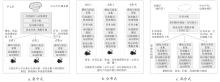
Fig. 1
Comparison of multi-machine collaboration architectures for intelligent agricultural machinery
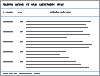
Table 1
Architecture and key technology mapping table of multi-machine collaborative operations of intelligent agricultural machinery
| 类型 | 通信方式 | 任务分配主体 | 路径规划方式 | 协同控制方式 | 异常处理 |
|---|---|---|---|---|---|
| 集中式 | 全局状态上传至中心节点,以农机-中心通信为主 | 中心统一求解并下发 | 中心生成全局协同路径,农机执行局部避障 | 中心下发参考轨迹或协同目标,本地完成快速闭环 | 中心重新调度,但存在单点故障风险 |
| 分布式 | 基于本地与邻域信息,智能农机间点对点交互 | 通过各个农机协商、拍卖或共识完成 | 各农机局部规划并交换冲突信息 | 基于邻域状态实现分布式协调 | 局部自治、邻域重构和任务接替 |
| 混合式 | 全局摘要上传,上层与农机间双向交互 | 上层初始分配,农机局部动态调整 | 上层全局规划与农机局部重规划结合 | 上层给定协同目标,本地执行跟踪与安全控制 | 上层重调度与本地降级控制相结合 |
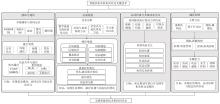
Fig. 2
Key technology system for multi-machine collaborative operations of intelligent agricultural machinery
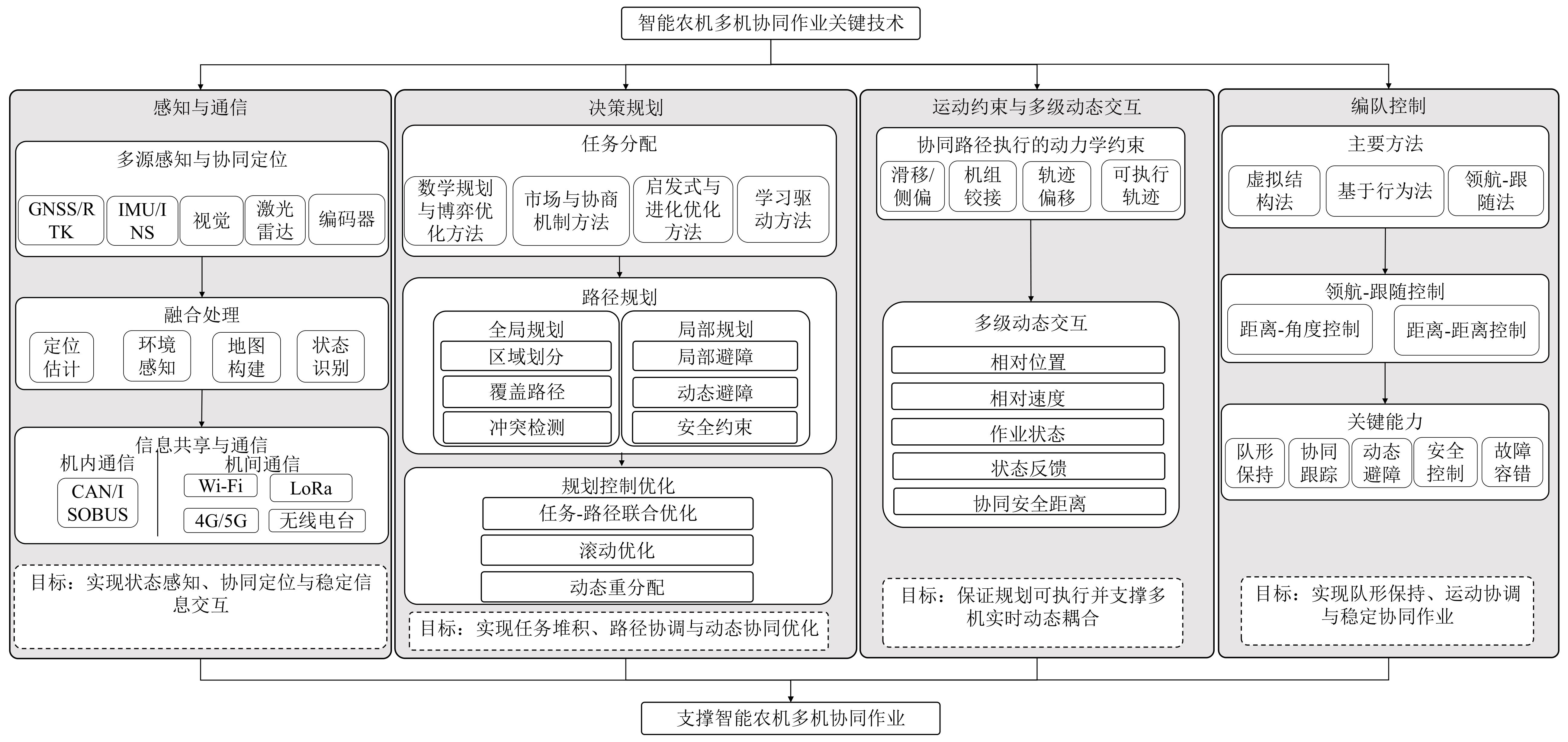
Table 2
Multi-machine collaborative perception and fusion mechanisms for intelligent agricultural machinery
| 协同机制 | 跨机共享信息 | 典型融合方法 | 协同作用 | 主要约束 |
|---|---|---|---|---|
| 统一时空基准 | GNSS时间、时间戳、传感器外参 | 硬件授时/网络同步、延迟补偿、坐标变换 | 保证跨机观测处于同一历元和坐标系 | 时钟漂移、通信抖动、外参变化 |
| 绝对-相对定位融合 | GNSS/INS状态、机间距离/方位/相对位姿 | 扩展卡尔曼滤波(Extended Kalman Filter, EKF)、粒子滤波、因子图 | GNSS受扰时利用邻机约束抑制漂移 | 可观测性、非视距误差、估计相关性 |
| 目标级融合 | 目标类别、位置、轨迹及置信度 | 数据关联、轨迹融合、一致性检验 | 扩展感知范围并减少遮挡漏检 | 重复目标、异步观测、误匹配 |
| 特征/地图级融合 | 点云、关键帧、局部子图 | 配准、回环检测、分布式图优化 | 构建跨机一致的共享环境地图 | 带宽与算力负荷、地图冲突 |
| 可信分布式融合 | 状态估计、协方差、质量指标 | 协方差交叉、共识滤波、异常剔除 | 链路波动或单机故障时维持估计一致性 | 信息重复、故障传播、降级策略 |
Table 3
Comparison of communication technologies for multi-machine collaboration in intelligent agricultural machinery
| 技术类型 | 典型通信距离 | 优点 | 缺点 |
|---|---|---|---|
| Wi-Fi | 约50~100 m | 通信速率高、时延较低、设备成本低 | 易受环境影响;节点数量增加时易发生信道竞争 |
| ZigBee | 约10~100 m | 功耗低、成本低、支持自组织和多跳网络,可连接大量传感器节点 | 数据速率较低,多跳传输会增加时延;对高速移动节点支持较弱 |
| LoRa/LoRaWAN | 10~15 km | 通信距离远、功耗低、覆盖范围广、基站部署成本相对较低 | 数据速率低、传输时延较大、下行通信能力有限 |
| 4G/5G蜂窝通信 | 数千米以上 | 覆盖范围广;5G具有较高带宽、较低时延和较大的终端接入能力 | 依赖运营商网络和基站覆盖;使用成本较高 |
Table 4
Comparison of solution methods for assigning tasks in collaborative intelligent agricultural machinery operations
| 类型 | 典型算法 | 优点 | 缺点 |
|---|---|---|---|
| 数学规划与精确优化方法 | 混合整数线性规划[ | 在模型与规模可控时,可获得最优解或具有最优性界的高质量解,结果可解释 | 随农机数量、任务数量及约束增加,模型规模和计算量快速上升 |
| 协商与市场机制方法 | 拍卖算法[ | 通信需求低、收敛速度快,适合分布式多机任务分配 | 只能保证一定程度的近似最优,难以获得全局最优解 |
| 元启发式与进化优化方法 | NSGA-II/III[ | 适合多目标、多约束和复杂组合优化问题,搜索能力较强 | 参数敏感,收敛速度较慢,难以保证全局最优 |
| 学习驱动方法 | 深度强化学习算法[ | 能适应动态环境,训练后在线决策速度较快 | 训练成本高,泛化性、稳定性和可解释性有限 |
Table 5
Hierarchical classification of intelligent agricultural machinery collaborative path planning
| 规划层级 | 典型算法 | 核心问题 | 主要输入 | 主要输出 |
|---|---|---|---|---|
| 任务与覆盖规划 | 区域分解、多旅行商问题(Multiple Traveling Salesman Problem,MTSP)和车辆路径问题(Vehicle Routing Problem,VRP)、遗传算法、拍卖算法 | 整体覆盖效率 | 田块地图、作业任务、设备能力 | 区域分配、作业顺序与覆盖路径 |
| 时空路径协调 | 时间窗、优先级规划、基于冲突的搜索(Conflict-Based Search,CBS)、多智能体路径规划(Multi-Agent Path Finding,MAPF) | 路径冲突与通行次序 | 全局路径、时间约束、机群状态 | 无冲突时空路径与通行优先级 |
| 局部重规划 | 动态窗口法(Dynamic Window Approach,DWA)、人工势场、快速扩展随机树星算法(Rapidly-exploring Random Tree Star,RRT*)、模型预测控制(Model Predictive Control,MPC) | 动态避障与短时路径修正 | 局部感知、本机状态、邻机预测状态 | 更新后的局部路径或短时轨迹 |
Fig. 3
Multibody dynamic constraints and planning-control feedback relationship of typical agricultural machinery
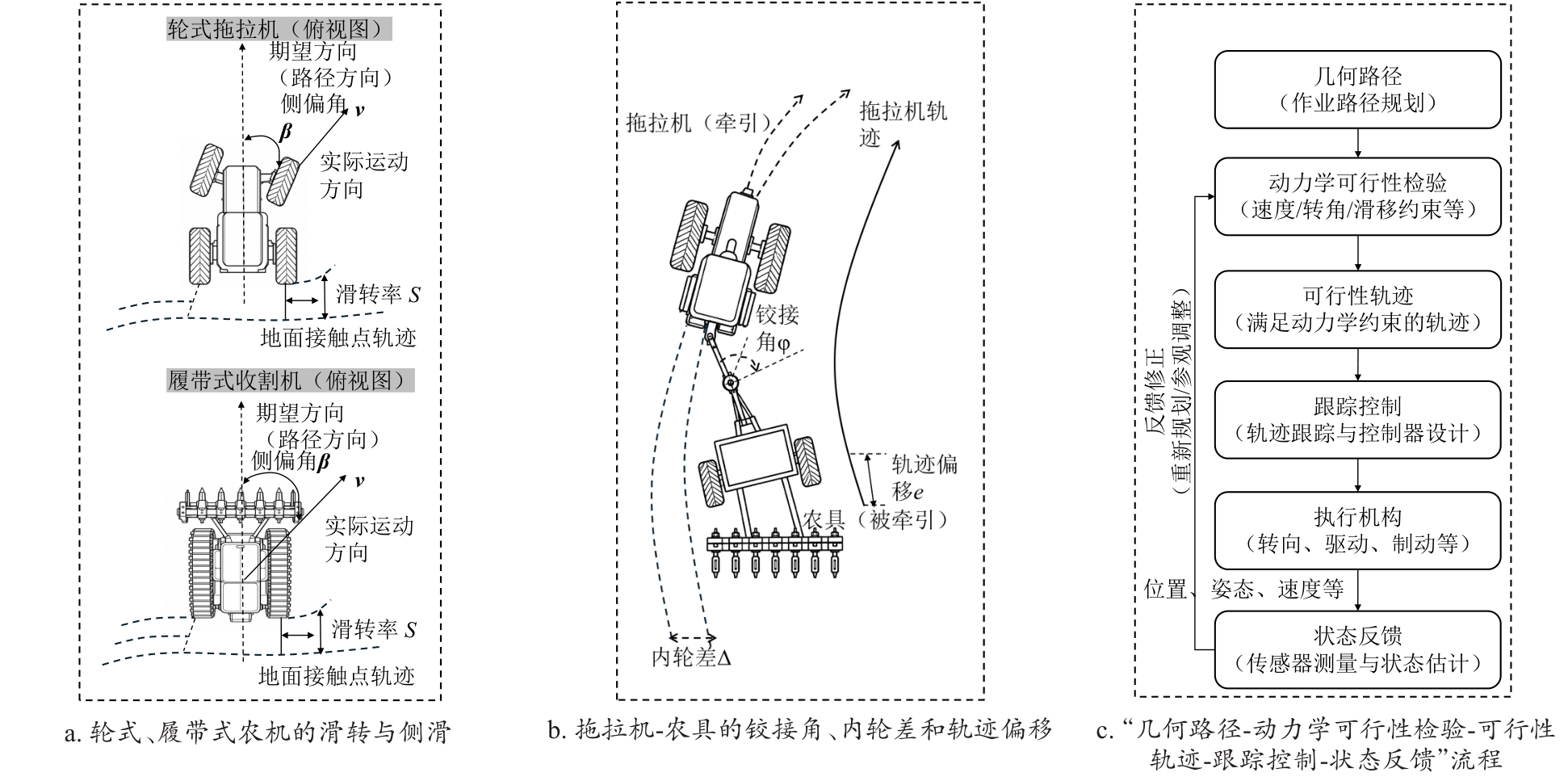
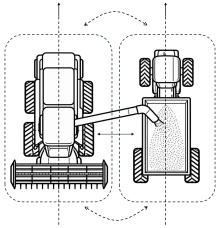
Fig. 4
Dynamic interaction relationship between harvester transport vehicle parallel unloading process
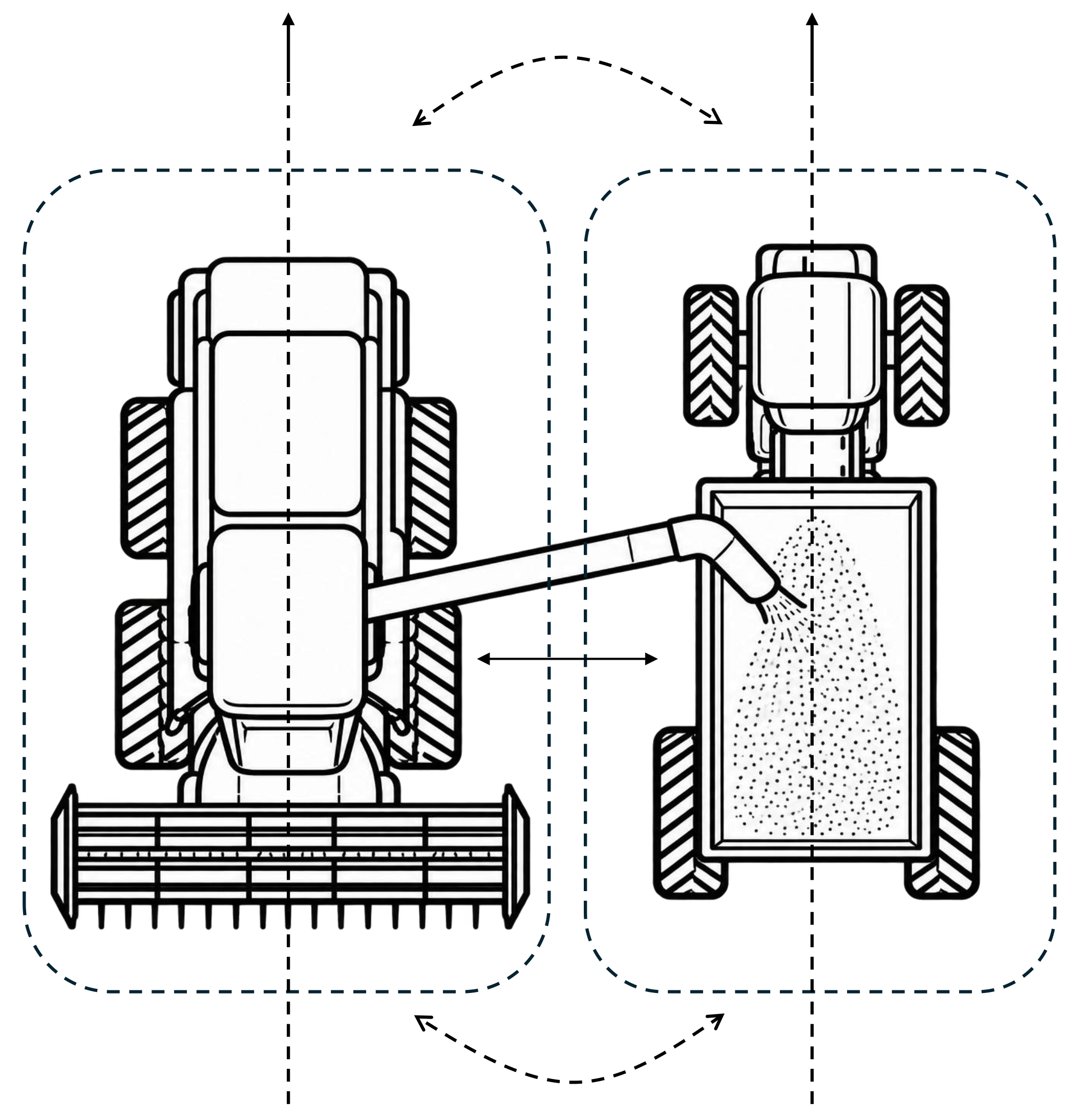
Fig. 5
Leader-follower control in intelligent agricultural machinery formation
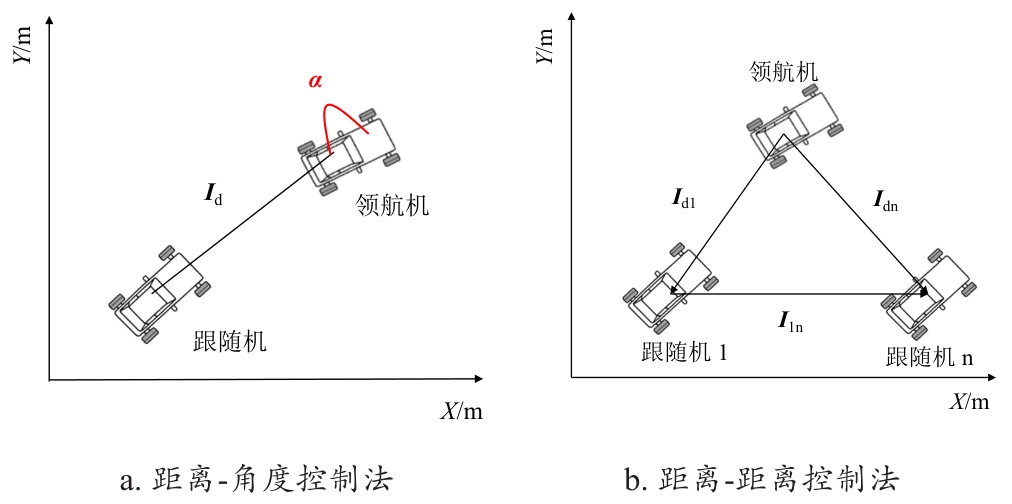
Fig. 6
Flowchart of multi-machine coordinated operation for homogeneous intelligent agricultural machinery
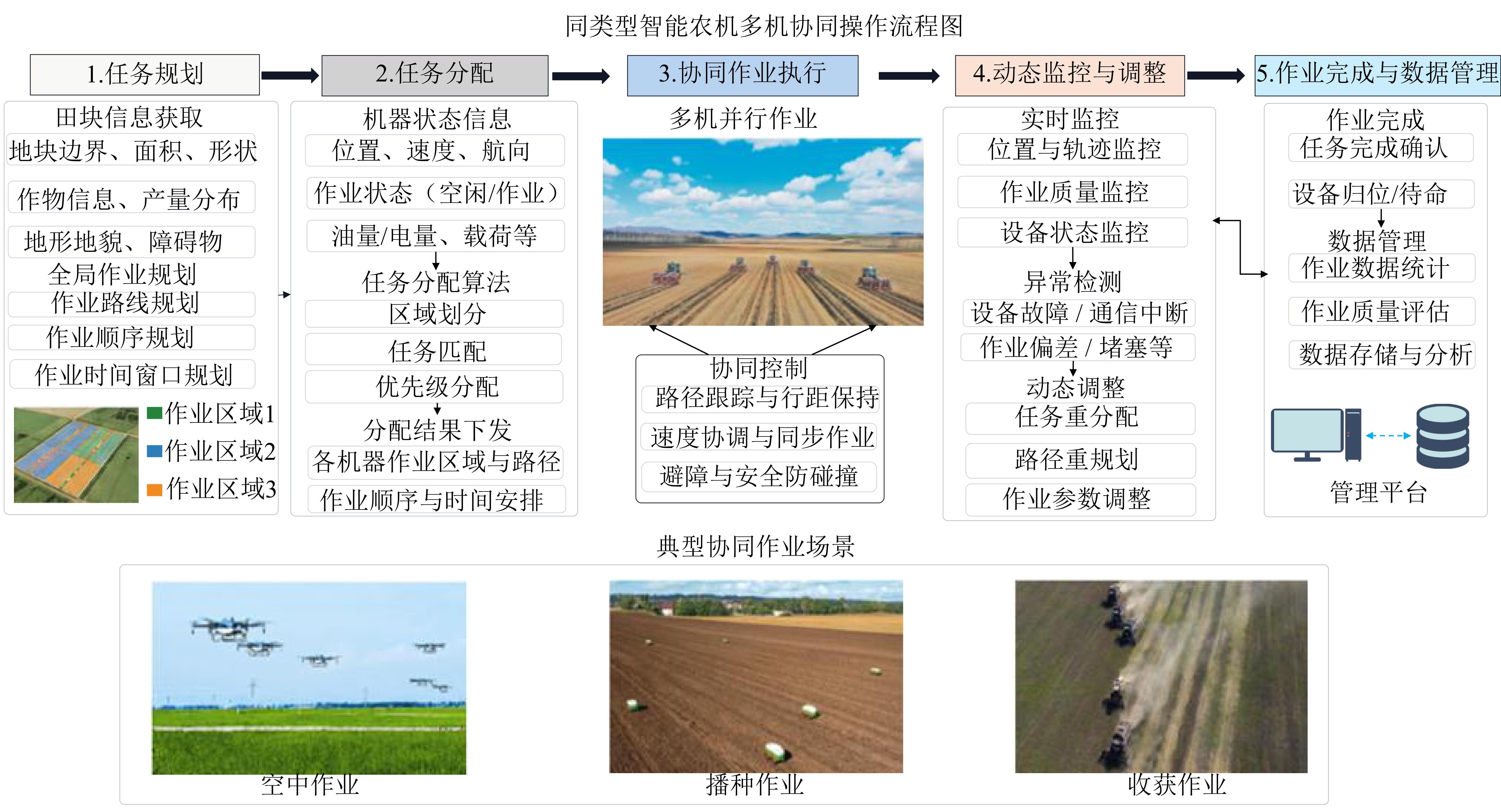
Table 6
Comparison of collaborative application cases of homogeneous intelligent agricultural machinery
| 代表研究 | 智能农机构成 | 任务类型 | 任务耦合程度 | 信息共享内容 | 控制方式 | 主要局限 |
|---|---|---|---|---|---|---|
| BARRIENTOS等[ | 多架微型无人机(3架) | 农田遥感监测、影像采集与地图构建 | 中等 | 任务区域、飞行状态、航迹信息、遥感影像 | 分布式任务协商与航迹规划 | 主要面向空中监测任务,对续航约束、通信负载及长期自主运行能力验证不足 |
| SOITINAHO等[ | 多台自主农业拖拉机(2台) | 播种任务与田间覆盖作业 | 高 | 作业路径、当前/计划执行的路径段、任务进度及车辆位置信息 | 集中式协同路径规划与实时调度 + 单机自主路径跟踪 | 对动态障碍、通信中断、设备故障及更大规模机群的适应性尚未充分验证 |
| IIDA等[ | 多台联合收割机(2台) | 水稻协同收获 | 高 | 农机位置、作业状态、路径信息 | 协同路径规划与避碰控制 | 系统规模较小,多机扩展后的通信竞争、任务冲突和故障恢复能力仍需验证 |
Fig. 7
Flowchart of multi-machine collaborative operation for heterogeneous intelligent agricultural machinery
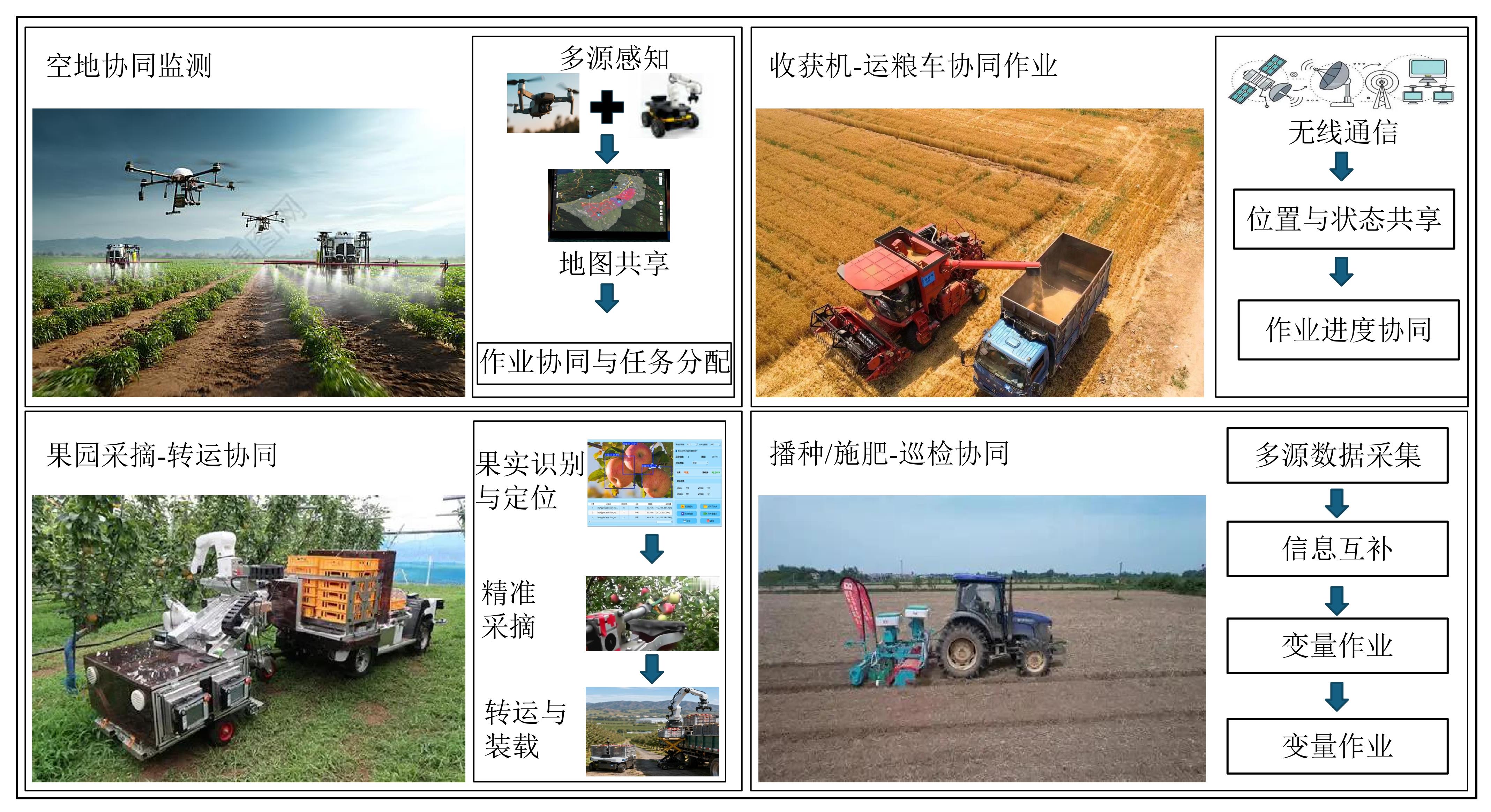
Table 7
Comparison of collaborative application cases of heterogeneous intelligent agricultural machinery
| 代表研究 | 智能农机构成 | 任务类型 | 任务耦合程度 | 信息共享内容 | 控制方式 | 主要局限 |
|---|---|---|---|---|---|---|
| CHEN等[ | 多架无人(UAV)+地面机械(UGV) | 空地协同喷雾与喷杆姿态控制 | 强 | 位姿、运动状态、控制参数 | 协同运动控制与姿态调整 | 通信和定位要求较高 |
| ZHANG等[ | 联合收获机+运输车辆 | 收获机-运输车协同卸料感知与对准 | 中—强 | 图像信息、目标位置、车辆相对位姿 | 视觉识别与动态定位 | 主要解决定位问题,任务调度不足 |
| LYTRIDIS等[ | 1台自主导航果园运输平台+1台自主导航采摘平台 | 采摘-转运协同导航 | 强 | GNSS坐标、航向、速度、导航模式及设备ID等 | 领航—跟随协调导航+基于视觉标记的相对定位与作业协同 | 完整采摘-装箱-转运闭环及复杂动态环境适应性验证不足 |
| SONG等[ | 玉米精量播种机+搭载遥感相机的无人机 | 精量播种、苗期空中巡检、播种质量评价 | 低(顺序式衔接) | 播种作业结果、苗期影像、株距/漏播/出苗均匀性等质量评价指标 | 播种机与无人机分别独立作业;无人机获取影像后进行离线或后处理评价 | 未构建播种机与无人机之间的实时通信、任务协商和联合控制机制,尚不能视为严格意义上的“播种-巡检”实时协同案例 |
| [1] |
马贵福, 郑浡文, 班婷, 等. 农机群协同作业路径规划与动态避障方法研究[J]. 智能化农业装备学报(中英文), 2026, 7(3): 1-18.
|
|
|
|
| [2] |
|
| [3] |
|
| [4] |
|
| [5] |
罗锡文, 廖娟, 胡炼, 等. 我国智能农机的研究进展与无人农场的实践[J]. 华南农业大学学报, 2021, 42(6): 8-17, 5.
|
|
|
|
| [6] |
尹彦鑫, 孟志军, 赵春江, 等. 大田无人农场关键技术研究现状与展望[J]. 智慧农业(中英文), 2022, 4(4): 1-25.
|
|
|
|
| [7] |
|
| [8] |
|
| [9] |
|
| [10] |
|
| [11] |
|
| [12] |
|
| [13] |
|
| [14] |
|
| [15] |
满忠贤, 何杰, 刘善琪, 等. 智能农机多机协同收获作业控制方法与试验[J]. 农业工程学报, 2024, 40(1): 17-26.
|
|
|
|
| [16] |
何勇, 王月影, 何立文, 等. 低空经济政策和技术在农业农村的应用现状与前景[J]. 农业工程学报, 2025, 41(8): 1-16.
|
|
|
|
| [17] |
|
| [18] |
刘政, 沈孚, 崔龙飞, 等. 农机智能引擎AMES的设计与实现[J]. 智能化农业装备学报(中英文), 2026, 7(1): 1-7.
|
|
|
|
| [19] |
|
| [20] |
|
| [21] |
|
| [22] |
|
| [23] |
|
| [24] |
|
| [25] |
|
| [26] |
|
| [27] |
|
| [28] |
|
| [29] |
|
| [30] |
唐先光, 唐宇峰. 谷物联合收获机自动对行控制系统的设计[J]. 农机化研究, 2024, 46(7): 224-226, 240.
|
|
|
|
| [31] |
蒋建东, 孙远方, 金骁, 等. 联合收获机CAN总线架构设计与试验[J]. 农业机械学报, 2019, 50(6): 93-99.
|
|
|
|
| [32] |
|
| [33] |
陈进, 傅晟捷, 关卓怀, 等. 基于LoRa技术的联合收获机群通信方法[J]. 农业工程学报, 2022, 38(16): 81-89.
|
|
|
|
| [34] |
|
| [35] |
|
| [36] |
|
| [37] |
|
| [38] |
|
| [39] |
|
| [40] |
|
| [41] |
金诚谦, 陈钧龙, 刘政, 等. 大田作业场景中农机协同作业技术发展综述[J]. 农业工程学报, 2025, 41(14): 1-13.
|
|
|
|
| [42] |
彭汪忆楠, 赖惠成, 于逸然, 等. 基于K-means++算法与YDSE算法的多农机协同优化[J]. 计算机应用研究, 2025, 42(5): 1453-1461.
|
|
|
|
| [43] |
李丽, 侯兴华, 陈行政, 等. 深松作业下多机协同任务分配优化方法[J]. 农业工程学报, 2023, 39(21): 1-9.
|
|
|
|
| [44] |
|
| [45] |
李文鑫, 张璠, 姚竟发, 等. 联合收割机与运粮车协同作业调度技术研究[J]. 中国农机化学报, 2023, 44(2): 119-125.
|
|
|
|
| [46] |
|
| [47] |
李荣轩, 龚立娇, 李玉洁, 等. 异类型多机自主智能协同收获作业任务规划方法与试验[J]. 农业工程学报, 2025, 41(24): 33-42.
|
|
|
|
| [48] |
|
| [49] |
|
| [50] |
|
| [51] |
|
| [52] |
|
| [53] |
|
| [54] |
|
| [55] |
|
| [56] |
|
| [57] |
姚竟发, 滕桂法, 霍利民, 等. 联合收割机多机协同作业路径优化[J]. 农业工程学报, 2019, 35(17): 12-18.
|
|
|
|
| [58] |
|
| [59] |
|
| [60] |
|
| [61] |
|
| [62] |
|
| [63] |
|
| [64] |
|
| [65] |
|
| [66] |
|
| [67] |
|
| [68] |
|
| [69] |
|
| [70] |
|
| [71] |
|
| [72] |
|
| [73] |
|
| [74] |
|
| [75] |
安永跃, 李淑琴. 基于行为规划的多机器鱼编队策略的研究[J]. 计算机仿真, 2013, 30(11): 369-373.
|
|
|
|
| [76] |
|
| [77] |
|
| [78] |
|
| [79] |
白晓平, 王卓, 胡静涛, 等. 基于领航-跟随结构的联合收获机群协同导航控制方法[J]. 农业机械学报, 2017, 48(7): 14-21.
|
|
|
|
| [80] |
孟令刚, 范松涛, 周燕. 基于领航-跟随结构的大型喷灌机协同导航控制方法[J]. 农业工程学报, 2022, 38(12): 12-22.
|
|
|
|
| [81] |
魏新华, 邓屹, 崔鑫宇, 等. 基于模糊算法的农机编队转场多机协同控制方法[J]. 农业机械学报, 2025, 56(2): 48-60.
|
|
|
|
| [82] |
|
| [83] |
|
| [84] |
|
| [85] |
黄山, 吕永玺, 朱奇, 等. 仅使用距离量测的多无人机协同环绕未知目标[J]. 航空学报, 2024, 45(13): 341-361.
|
|
|
|
| [86] |
张硕, 吴雨洋, 汪洋, 等. 基于模型预测控制的无人车编队避障方法[J]. 北京理工大学学报, 2025, 45(1): 34-41.
|
|
|
|
| [87] |
方浩, 赵欣悦, 陈杰. 无人飞行器集群自主控制: 预设性能驱动的安全编队控制[J]. 自动化学报, 2025, 51(5): 931-941.
|
|
|
|
| [88] |
|
| [89] |
|
| [90] |
梁明旭, 袁昌荣, 夏先飞, 等. 机器人技术在蔬菜生产领域的应用现状及发展趋势[J]. 智能化农业装备学报(中英文), 2025, 6(4): 50-63.
|
|
|
|
| [91] |
陈行政, 王五一, 谢守勇, 等. 水稻联合收割机作业节点次序的多目标优化[J]. 农业工程学报, 2025, 41(12): 49-58.
|
|
|
|
| [92] |
|
| [93] |
|
| [94] |
|
| [95] |
|
| [96] |
|
| [97] |
|
| [98] |
|
| [99] |
|
| [1] | YANG Shuofei, WANG Zhe, YANG Shenghui, MIAO Zhonghua, CHEN Du, ZHENG Yongjun, SONG Zhenghe, LI Hongwen. Autonomous Operation Technologies and Development Trends for Agricultural Robots in Complex Scenarios [J]. Smart Agriculture, 2026, 8(5): 1-22. |
| [2] | MA Mengxian, XU Zhen, YUAN Quan, ZHOU Wenzong, ZHANG Chunyan. Path Planning Algorithm for an Eel Feeding Robotic Arm Based on Improved BI-RRT [J]. Smart Agriculture, 2026, 8(2): 251-264. |
| [3] | CHEN Ruotong, LIU Jifang, ZHANG Zhiyong, MA Nan, WEI Peigang, WANG Yi, YANG Yantao. Intelligent Inspection Path Planning Algorithm for Large-Scale Cattle Farms [J]. Smart Agriculture, 2026, 8(1): 178-191. |
| [4] | ZHU Tianwen, WANG Xu, ZHANG Bo, DU Xintong, WU Chundu. Multi-Machine Collaborative Operation Scheduling and Planning Method Based on Improved Genetic Algorithm [J]. Smart Agriculture, 2026, 8(1): 226-236. |
| [5] | LU Zaiwang, ZHANG Yucheng, MA Yike, DAI Feng, DONG Jie, WANG Peng, LU Huixian, LI Tongbin, ZHAO Kaibin. Progress and Prospects of Research on Key Technologies for Agricultural Multi-Robot Full Coverage Operations [J]. Smart Agriculture, 2025, 7(5): 17-36. |
| [6] | HE Yong, HUANG Zhenyu, YANG Ningyuan, LI Xiyao, WANG Yuwei, FENG Xuping. Research Progress and Prospects of Key Navigation Technologies for Facility Agricultural Robots [J]. Smart Agriculture, 2024, 6(5): 1-19. |
| [7] | LUAN Shijie, SUN Yefeng, GONG Liang, ZHANG Kai. Trajectory Tracking Method of Agricultural Machinery Multi-Robot Formation Operation Based on MPC Delay Compensator [J]. Smart Agriculture, 2024, 6(3): 69-81. |
| [8] | XU Jishuang, JIAO Jun, LI Miao, LI Hualong, YANG Xuanjiang, LIU Xianwang, GUO Panpan, MA Zhirun. Path Planning and Motion Control Method for Sick and Dead Animal Transport Robots Integrating Improved A * Algorithm and Fuzzy PID [J]. Smart Agriculture, 2023, 5(4): 127-136. |
| [9] | ZHOU Longgang, LIU Ting, LU Jinzhu. Traversal Path Planning for Farmland in Hilly Areas Based on Floyd and Improved Genetic Algorithm [J]. Smart Agriculture, 2023, 5(4): 45-57. |
| [10] | Zhu Jiangpeng, Cen Haiyan, He Liwen, He Yong. Development and performance evaluation of a multi-rotor unmanned aircraft system for agricultural monitoring [J]. Smart Agriculture, 2019, 1(1): 43-52. |
| Viewed | ||||||
|
Full text |
|
|||||
|
Abstract |
|
|||||