Smart Agriculture ›› 2026, Vol. 8 ›› Issue (4): 1-16.doi: 10.12133/j.smartag.SA202510002
• Overview Article •
WANG Ting1,2, WANG Na3, CUI Yunpeng1,2( ), LIU Juan1,2
Received:2025-09-29
Online:2026-07-30
Foundation items:National Key Research and Development Program(2023YFD1600304); Beijing Smart Agriculture Innovation Consortium Project(BAIC10-2026-E18)
About author:WANG Ting, E-mail: wangting01@caas.cn
corresponding author:
CLC Number:
WANG Ting, WANG Na, CUI Yunpeng, LIU Juan. Research Progress and Prospects of Cloud-Edge-Device Integrated Middleware for Agricultural Product Quality Control[J]. Smart Agriculture, 2026, 8(4): 1-16.
Add to citation manager EndNote|Ris|BibTeX
URL: https://www.smartag.net.cn/EN/10.12133/j.smartag.SA202510002
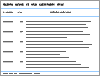
Table 1
Specific cases of different cloud-edge-device architectures
| 架构类型 | 主要内容 | 参考文献 |
|---|---|---|
| 云-边-端 | 构建基于云-边-端协作的智能物联网架构 | [ |
| 云-边-端 | 集成云-边-端架构与区块链技术提升服务质量和可信计算能力 | [ |
| 云-边-端 | 在云-边-端架构中提出基于数据属性的数据共享框架 | [ |
| 云-边-端 | 为云-边-端计算架构中的隐私数据共享开发并行安全流程制框架 | [ |
| 云-边-端 | 为云-边-端网络设计提出启发式链路路径规划方法 | [ |
| 云-边-端和云-(边)-端 | 为云-边-端计算任务调度优化提出基于博弈论的创新算法 | [ |
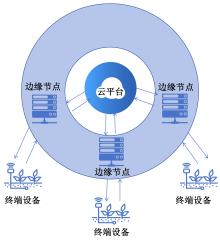
Fig. 1
Cloud-Edge-Device architecture
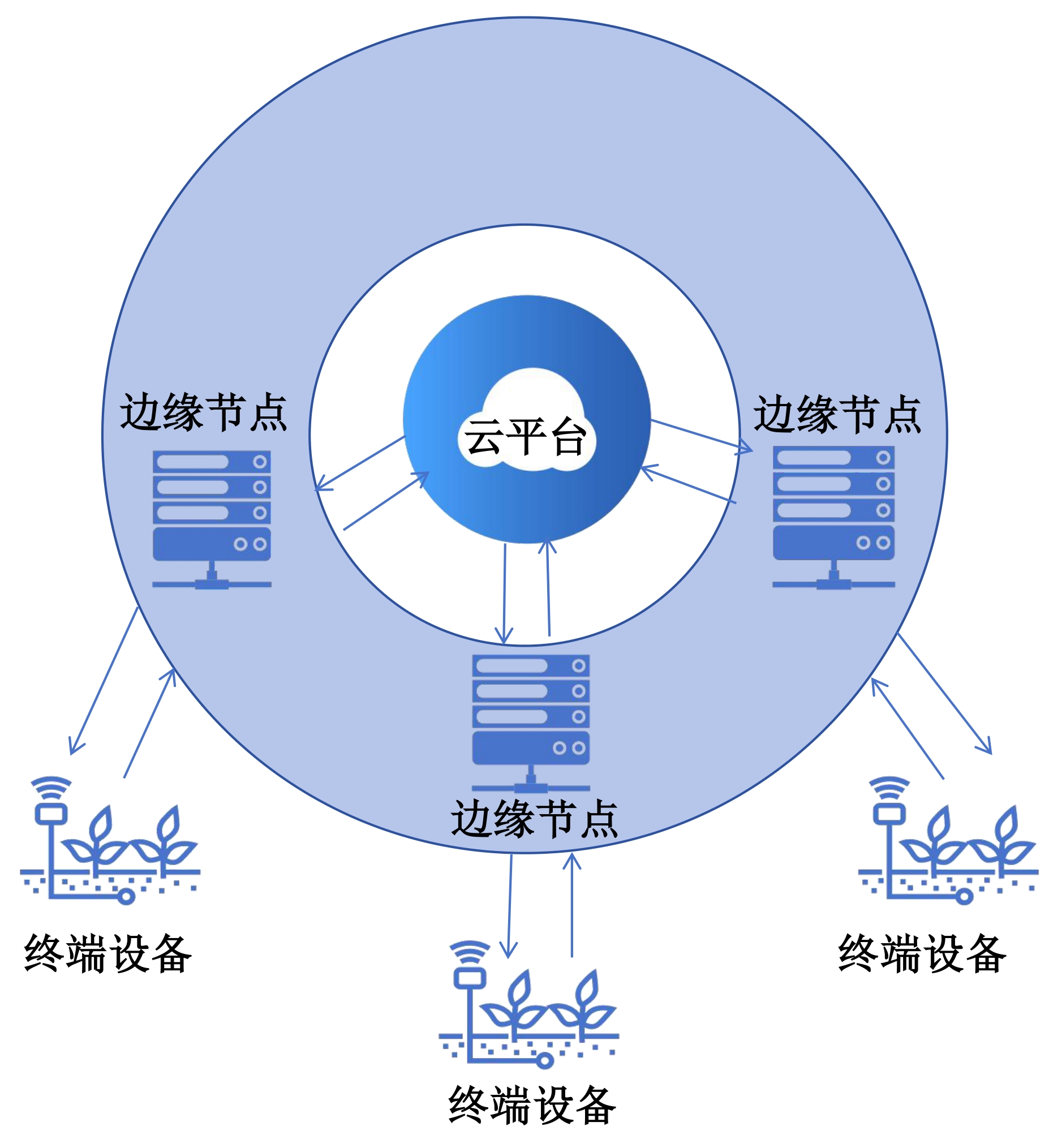
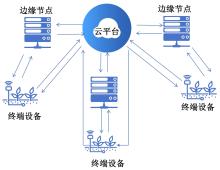
Fig. 2
Cloud-(Edge)-Device architecture
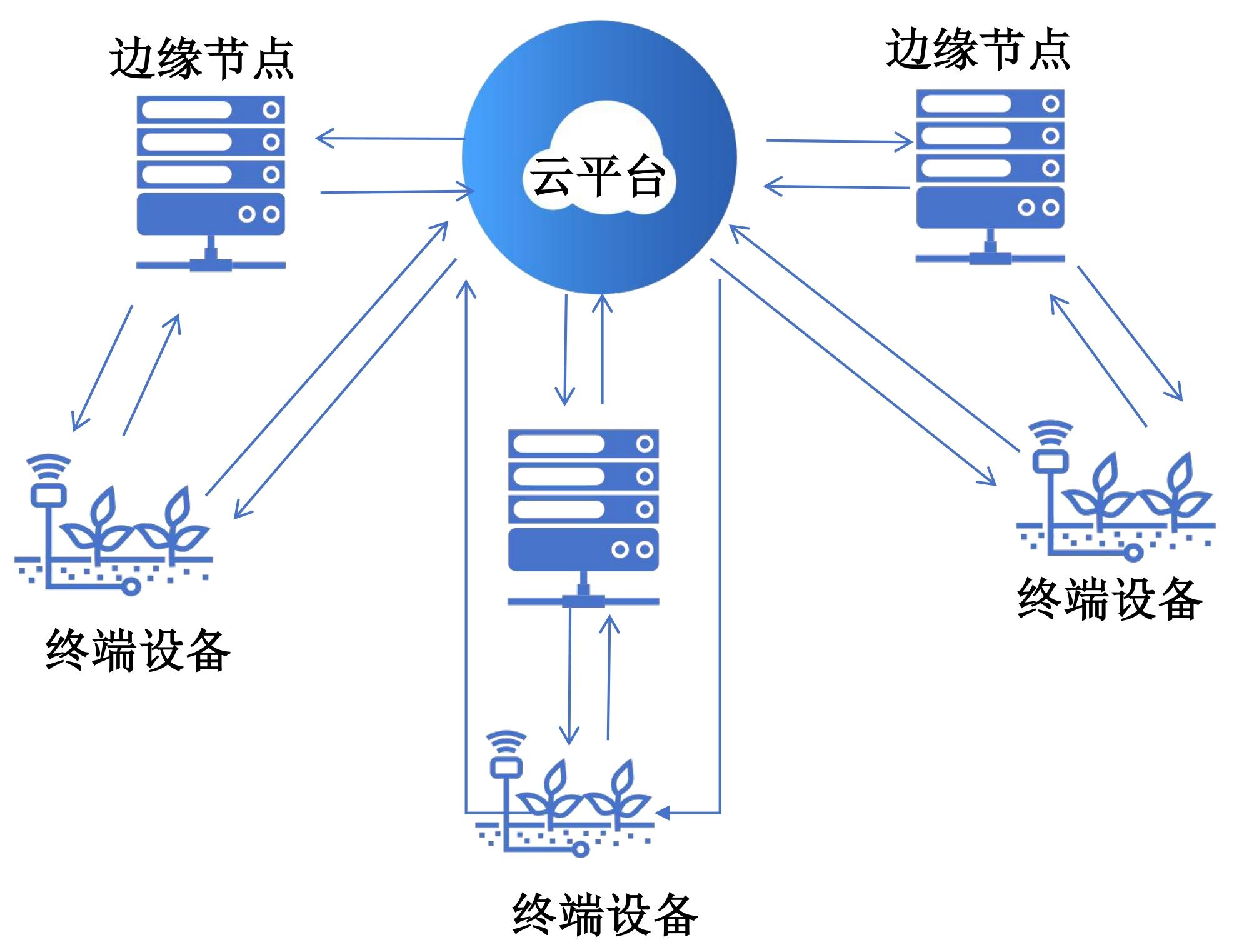
Fig. 3
Cloud-edge-device-device architecture
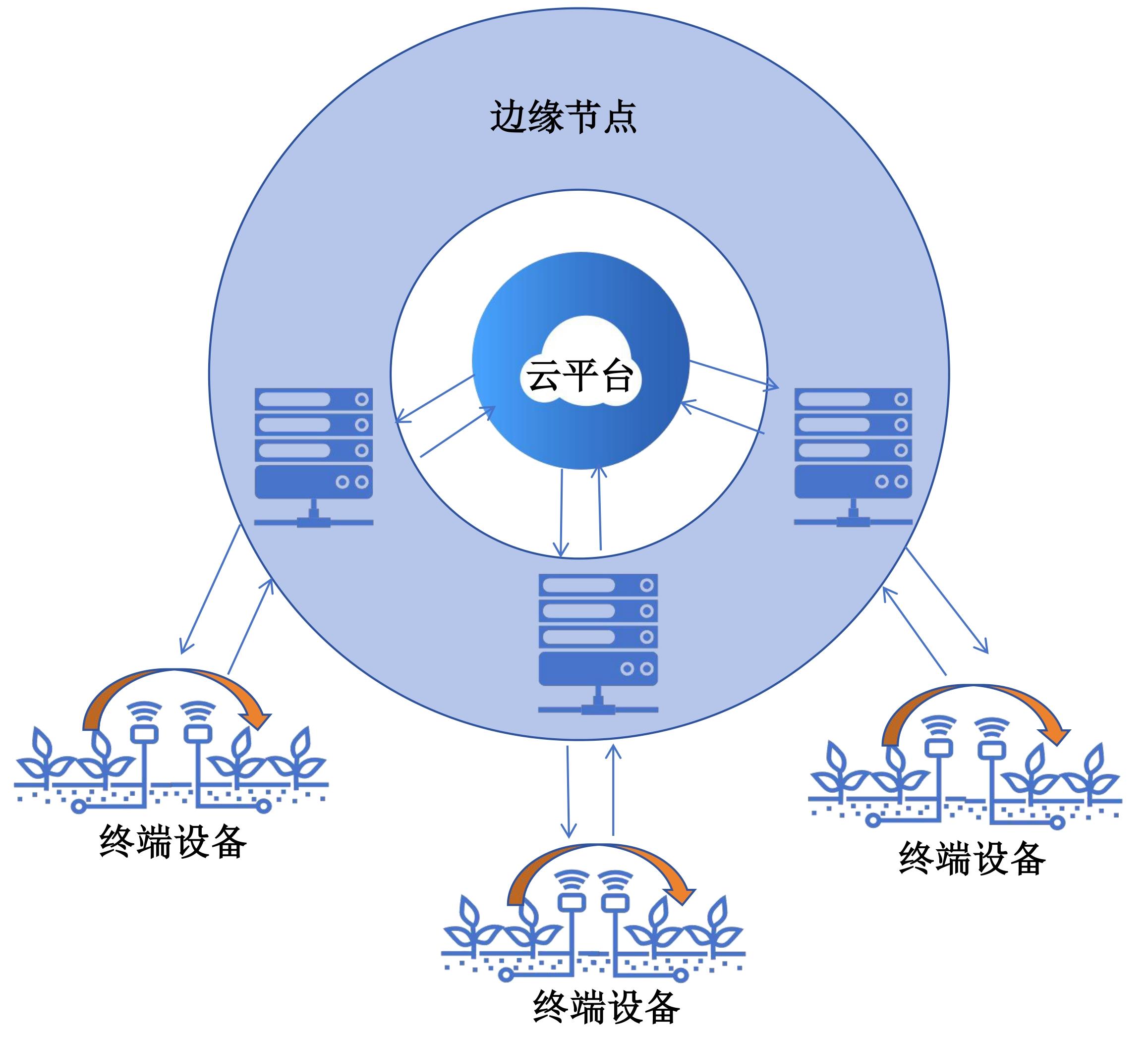
Fig. 4
Overall framework of agricultural product quality control system
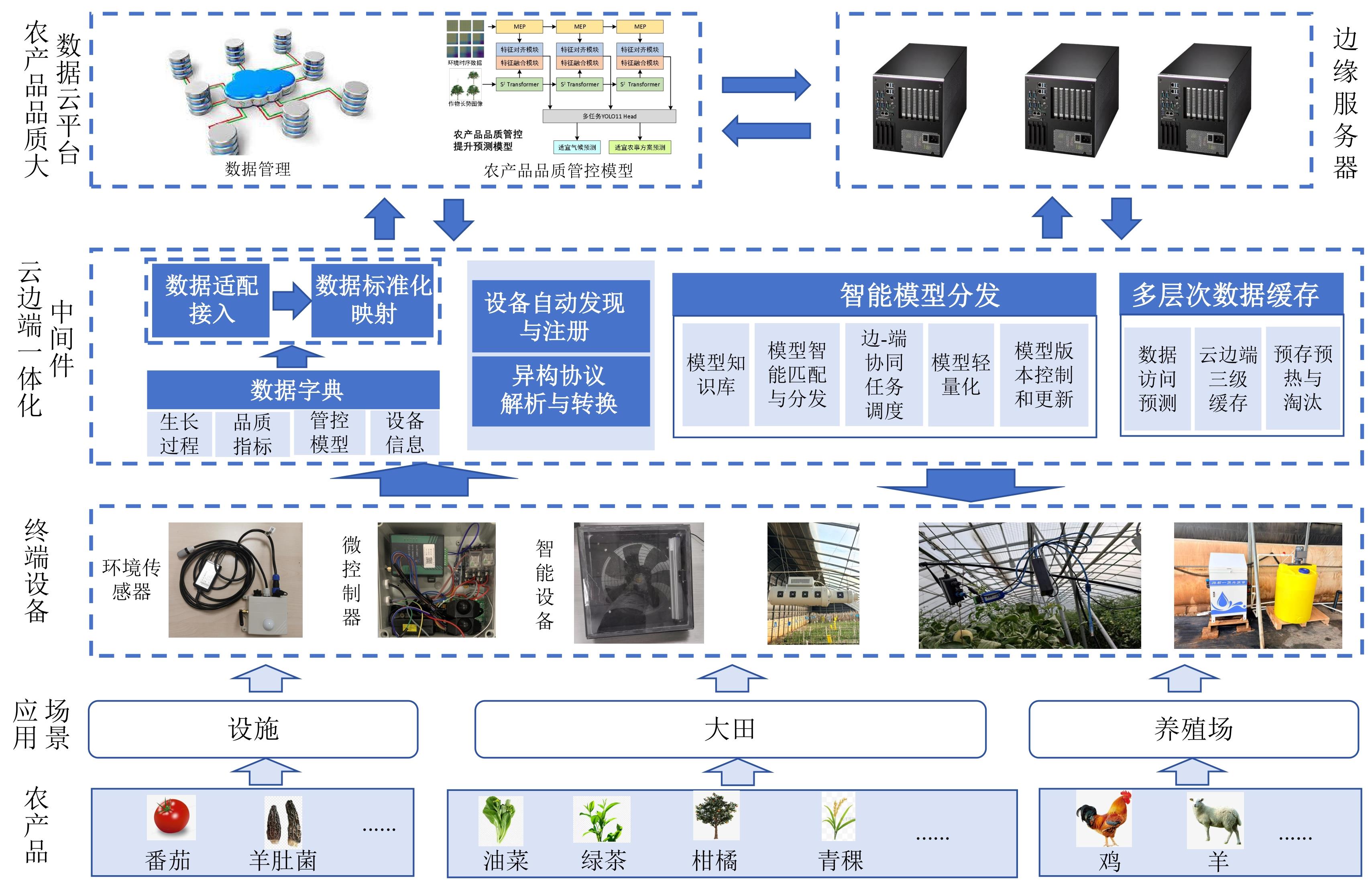
Fig. 5
Agricultural product quality control data dictionary structure
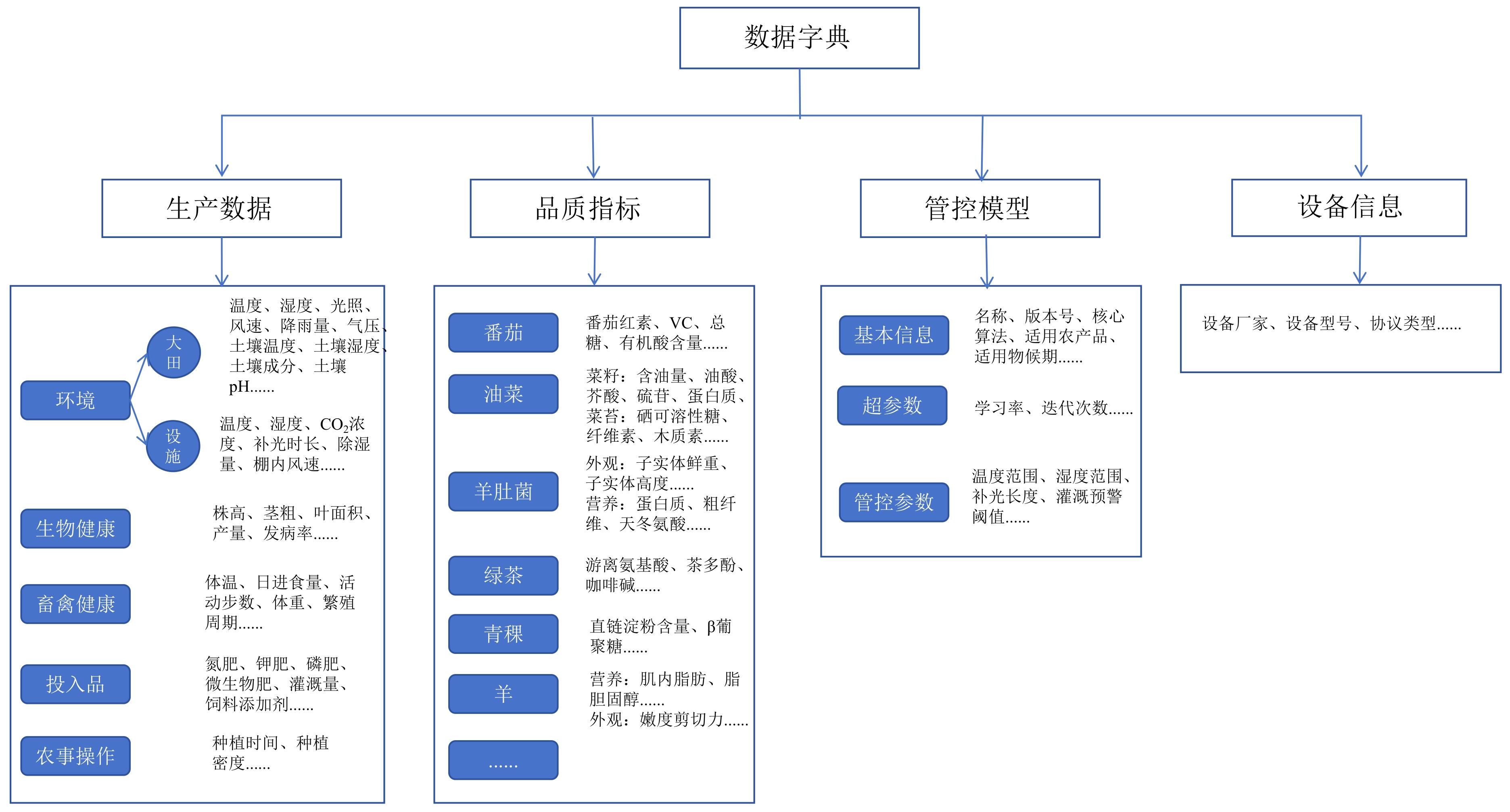
Table 2
Example of basic information dictionary for agricultural product quality control models
| 参数项 | 示例值 | 说明 |
|---|---|---|
| model_name | Tomato_Sweetness_Enhance_v3 | 模型的描述性名称 |
| model_version | 3.1.2 | 模型的具体版本号 |
| algorithm_type | 深度神经网络(Deep Neural Network,DNN) | 模型所使用的核心算法类型,如模糊逻辑、神经网络等 |
| effective_stage | 开花期 | 模型最适用的物候期 |
Table 3
Example of device parameter dictionary for agricultural product quality control
| 参数项 | 示例值 | 说明 |
|---|---|---|
| target_temperature_day | {'min': 25, 'max': 28} | 白天目标温度范围/摄氏度 |
| target_temperature_night | {'min': 17, 'max': 19} | 夜间目标温度范围/摄氏度 |
| target_humidity | {'min': 60, 'max': 70} | 目标空气相对湿度范围/% |
| light_supplement_plan | {'start': '06:00', 'duration_hours': 4} | 补光计划,定义补光灯的启动时间和持续时长 |
| CO2_concentration_ppm | 1 000 | 目标二氧化碳浓度(mg/m3),用于控制CO2发生器 |
| irrigation_trigger_soil_moisture | 45 | 触发灌溉的土壤湿度阈值/% |
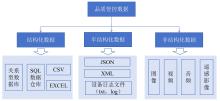
Fig. 6
Agricultural product quality data access methods
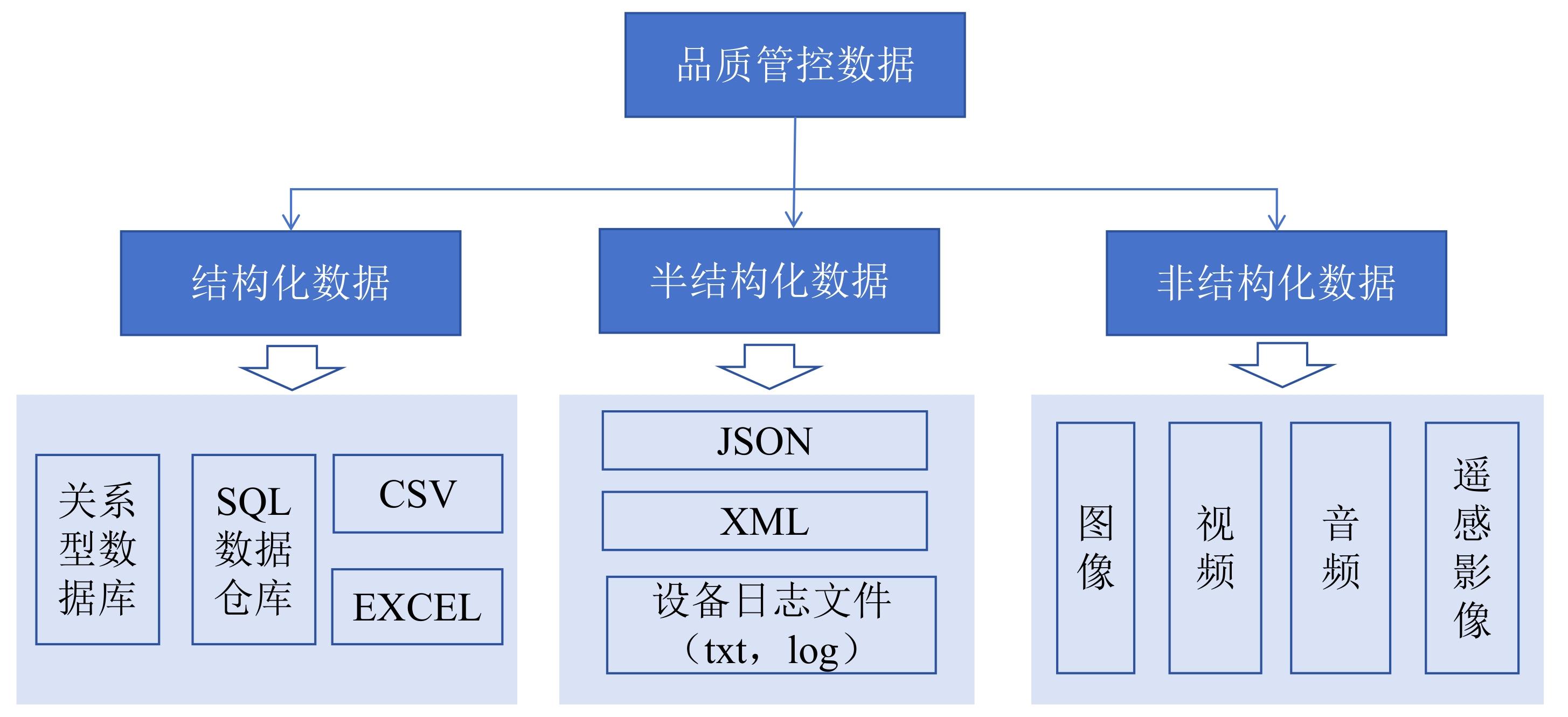
Table 4
Common protocol types in the agricultural domain
| 类型 | 名称 | 特点 | 适用场景 |
|---|---|---|---|
| 有线通信协议 | RS-485 | 支持长距离传输、抗干扰能力强,可实现一对多通信 | 常用于农业自动化设备,如:温室环境监测、土壤传感器与PLC或数据采集器连接 |
| Modbus | 基于串行通信的开放式协议,结构简单、可靠性高,但传输速率较慢(通常9 600 bps) | 常用于老旧设备或低速数据采集,如农机定位终端与云平台的数据传输,或通过网关转换协议(如DeviceNET转Modbus TCP)实现设备互联 | |
| CAN | 面向消息传输,抗干扰能力强 | 适合分布式系统。例如,农业机械的实时控制和大规模生产场景 | |
| 无线通信协议 | Zigbee | 基于IEEE 802.15.4标准,低功耗、自组网,支持星型/网状拓扑 | 适合大规模传感器网络,常用于智能大棚环境监测(如温湿度、光照、CO2等参数采集)或牲畜健康追踪 |
| 蓝牙 | 低功耗、短距离 | 适用于移动设备与传感器的快速连接。例如,便携式农业检测设备或手机端数据查看 | |
| LoRa | 超远传输距离(农村达10 km)、低功耗,穿透力强 | 适合大范围农田监测。例如,土壤湿度监测、水肥一体化系统远程控制等 | |
| NB-IoT | 基于蜂窝网络,覆盖广、支持海量设备接入,但依赖运营商网络 | 智能水表、气象站等需长期稳定传输的场景 | |
| Wi-Fi | 高速率、高带宽,但功耗较高 | 农业监控摄像头或需要实时视频传输的场景 | |
| 物联网应用层协议 | MQTT | 轻量级发布/订阅模式,支持低带宽环境,适合云端数据交互 | Arduino传感器通过MQTT上传温湿度数据至云平台,或智能灌溉系统的远程控制 |
| HTTP/HTTPS | 互联网通用协议,兼容性强,但实时性较差 | 农业数据平台的数据展示与历史查询 | |
| CoAP | 专为资源受限设备设计,基于用户数据报协议(User Datagram Protocol, UDP),支持低功耗传输 | 农业传感器与边缘计算设备的轻量级数据交互 |
Table 5
Resource scheduling configuration across phenological stages (a case of tomato)
| 生长周期 | 关注重点 | 模式 | 传感策略 | 采样频率 | 边缘模型 | 算力分配 |
|---|---|---|---|---|---|---|
| 苗期 | 根系生长,环境温湿度 | 低功耗值守 | 仅保留温湿度、土壤水分等标量数据的采集 | 低频(60 min/次) | 无 | 边缘网关挂起高能耗的图形处理器(Graphics Processing Unit,GPU),仅维持基础连接 |
| 开花坐果期 | 授粉率、病虫害监测 | 高算力边缘推理 | 启动高清摄像头与多光谱传感器 | 高频(10 min/次) | 花朵识别模型、叶部病虫害检测模型 | 对采集图像进行实时推理,赋予该类警报数据最高传输优先级 |
| 成熟采收期 | 转色度、产量预估 | 品质感知优先 | 采集果实色泽RGB值与糖度积累关联数据 | 中频(30 min/次) | 果实成熟度分级模型 | 边缘计算实时统计红果比例,辅助预测最佳采收时间 |
| [1] |
郭威, 吴华瑞, 郭旺, 等. 特色农产品设施环境下品质智能管控技术研究现状与展望[J]. 智慧农业(中英文), 2024, 6(6): 44-62.
|
|
|
|
| [2] |
吴大鹏, 张普宁, 王汝言. "端—边—云"协同的智慧物联网[J]. 物联网学报, 2018, 2(3): 21-28.
|
|
|
|
| [3] |
佟兴, 张召, 金澈清, 等. 面向端边云协同架构的区块链技术综述[J]. 计算机学报, 2021, 44(12): 2345-2366.
|
|
|
|
| [4] |
|
| [5] |
|
| [6] |
|
| [7] |
|
| [8] |
|
| [9] |
|
| [10] |
|
| [11] |
|
| [12] |
许政, 阮西玥, 陈祥浩. 基于云-边-端的多源异构大数据治理架构研究[J]. 网络安全与数据治理, 2024, 43(12): 47-53.
|
|
|
|
| [13] |
|
| [14] |
朱锐, 王宏志, 崔双双, 等. 面向元宇宙的云边端协同大数据管理[J]. 大数据, 2023, 9(1): 63-77.
|
|
|
|
| [15] |
|
| [16] |
|
| [17] |
|
| [18] |
|
| [19] |
|
| [20] |
|
| [21] |
|
| [22] |
|
| [23] |
|
| [24] |
|
| [25] |
|
| [26] |
|
| [27] |
|
| [28] |
|
| [29] |
|
| [30] |
|
| [31] |
|
| [32] |
|
| [33] |
|
| [1] | QI Peiyang, SUN Chuanheng, TAN Changwei, WANG Jun, LUO Na, XING Bin. Vegetable IoT Blockchain Anti Counterfeiting Traceability System Based on PQ-ECIES [J]. Smart Agriculture, 2026, 8(2): 237-250. |
| [2] | WANG Jian, ZHAO Haosen, MA Yue, XING Bin, ZHU Wenying. Research Progress and Prospects of Intelligent Control Technology for Facility Vegetable [J]. Smart Agriculture, 2026, 8(1): 104-119. |
| [3] | LIU lining, ZHANG Hongqi, ZHANG Ziwen, ZHANG Zhenghui, WANG Jiayu, LI Xuanxuan, ZHU Ke, LIU Pingzeng. Key Technologies and Construction model for Unmanned Smart Farms: Taking the "1.5-Ton Grain per Mu" Unmanned Farm as An Example [J]. Smart Agriculture, 2025, 7(1): 70-84. |
| [4] | QIN Yingdong, JIA Wenshen. Real-Time Monitoring System for Rabbit House Environment Based on NB-IoT Network [J]. Smart Agriculture, 2023, 5(1): 155-165. |
| [5] | LI Li, LI Minzan, LIU Gang, ZHANG Man, WANG Maohua. Goals, Key Technologies, and Regional Models of Smart Farming for Field Crops in China [J]. Smart Agriculture, 2022, 4(4): 26-34. |
| [6] | ZHAO Ruixue, YANG Chenxue, ZHENG Jianhua, LI Jiao, WANG Jian. Agricultural Intelligent Knowledge Service: Overview and Future Perspectives [J]. Smart Agriculture, 2022, 4(4): 105-125. |
| [7] | HAN Leng, HE Xiongkui, WANG Changling, LIU Yajia, SONG Jianli, QI Peng, LIU Limin, LI Tian, ZHENG Yi, LIN Guihai, ZHOU Zhan, HUANG Kang, WANG Zhong, ZHA Hainie, ZHANG Guoshan, ZHOU Guotao, MA Yong, FU Hao, NIE Hongyuan, ZENG Aijun, ZHANG Wei. Key Technologies and Equipment for Smart Orchard Construction and Prospects [J]. Smart Agriculture, 2022, 4(3): 1-11. |
| [8] | XU Lihong, LIU Huihui, XU He, WEI Ruihua, CAI Wentao. Multi-Factor Coordination Control Technology of Promoting Early Maturing in Southern Blueberry Intelligent Greenhouse [J]. Smart Agriculture, 2021, 3(4): 86-98. |
| [9] | GUO Zhiming, WANG Junyi, SONG Ye, ZOU Xiaobo, CAI Jianrong. Research Progress of Sensing Detection and Monitoring Technology for Fruit and Vegetable Quality Control [J]. Smart Agriculture, 2021, 3(4): 14-28. |
| [10] | HUANG Kai, SHU Lei, LI Kailiang, YANG Xing, ZHU Yan, WANG Xiaochan, SU Qin. Design and Prospect for Anti-theft and Anti-destruction of Nodes in Solar Insecticidal Lamps Internet of Things [J]. Smart Agriculture, 2021, 3(1): 129-143. |
| [11] | SUN Haoran, SUN Lin, BI Chunguang, YU Helong. Hybrid Multi-Hop Routing Algorithm for Farmland IoT based on Particle Swarm and Simulated Annealing Collaborative Optimization Method [J]. Smart Agriculture, 2020, 2(3): 98-107. |
| [12] | YANG XuanJiang, LI Hualong, LI Miao, HU Zelin, LIAO Jianjun, LIU Xianwang, GUO Panpan, YUE Xudong. Beehive Key Parameters Online Monitoring System and Performance Test [J]. Smart Agriculture, 2020, 2(2): 115-125. |
| [13] | YANG Xing, SHU Lei, HUANG Kai, LI Kailiang, HUO Zhiqiang, WANG Yanfei, WANG Xinyi, LU Qiaoling, ZHANG Yacheng. Characteristics Analysis and Challenges for Fault Diagnosis in Solar Insecticidal Lamps Internet of Things [J]. Smart Agriculture, 2020, 2(2): 11-27. |
| [14] | HONG Wei, XU Baohua, LIU Shengping. Design and Experimental Research of Long-Term Monitoring System for Bee Colony Multiple Features [J]. Smart Agriculture, 2020, 2(2): 105-114. |
| [15] | Zhang Haifeng, Li Yang, Zhang Yu, Song Lijuan, Tang Lixin, Bi Hongwen. Design and implementation of intelligent terminal service system for greenhouse vegetables based on cloud service:A case study of Heilongjiang province [J]. Smart Agriculture, 2019, 1(3): 87-99. |
| Viewed | ||||||
|
Full text |
|
|||||
|
Abstract |
|
|||||