Smart Agriculture ›› 2026, Vol. 8 ›› Issue (1): 104-119.doi: 10.12133/j.smartag.SA202508003
• Overview Article • Previous Articles Next Articles
WANG Jian1( ), ZHAO Haosen1, MA Yue1, XING Bin2, ZHU Wenying2()
Received:2025-08-01
Online:2026-01-30
Foundation items:National Key Research and Development Program Project(2023YFD2001304); Beijing Academy of Agriculture and Forestry Sciences Project(KJCX20251003)
About author:corresponding author:
CLC Number:
WANG Jian, ZHAO Haosen, MA Yue, XING Bin, ZHU Wenying. Research Progress and Prospects of Intelligent Control Technology for Facility Vegetable[J]. Smart Agriculture, 2026, 8(1): 104-119.
Add to citation manager EndNote|Ris|BibTeX
URL: https://www.smartag.net.cn/EN/10.12133/j.smartag.SA202508003
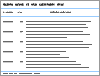
Table 1
Structure of tomato facility types in China in 2023
| 设施类型 | 面积占比/% | 自动化水平/% | 单产/(kg/m2) |
|---|---|---|---|
| 日光温室 | 61.2 | 15~20 | 18~22 |
| 塑料大棚 | 30.8 | <5 | 12~15 |
| 连栋温室 | 7.6 | 70~85 | 30~35 |
| 植物工厂 | 0.4 | >95 | 40~45 |
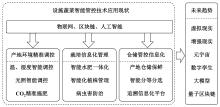
Fig. 1
Framework diagram of current applications of information-based management and control technologies in vegetable production facilities
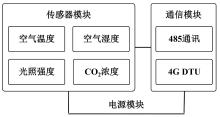
Fig. 2
Environmental information acquisition module
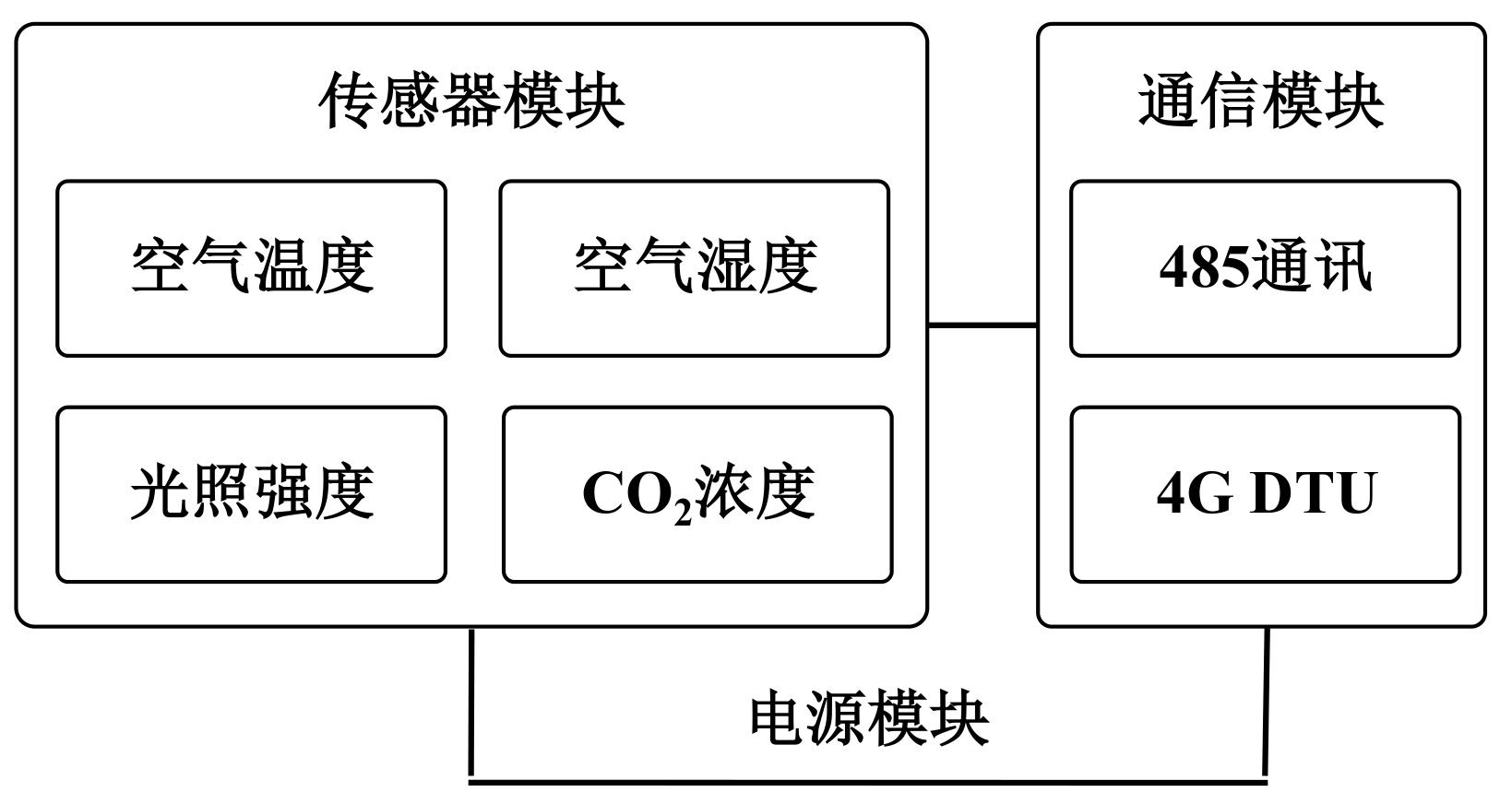
Table 2
Optimization values of environmental parameters for facility tomatoes at different growth stages
| 生长阶段 | 昼温/℃ | 夜温/℃ | PPFD/(μmol/(m2·s)) | RH/% | CO2/(μmol/mol) |
|---|---|---|---|---|---|
| 幼苗期 | 22~24 | 16~18 | 200~400 | 60~65 | 400~600 |
| 开花期 | 24~26 | 18~20 | 300~500 | 55~60 | 800~1 000 |
| 结果期 | 26~28 | 20~22 | 500~800 | 50~55 | 1 000~1 200 |
| 成熟期 | 28~30 | 22~24 | 300~500 | 45~50 | 600~800 |
Fig. 3
Overall architecture of the system
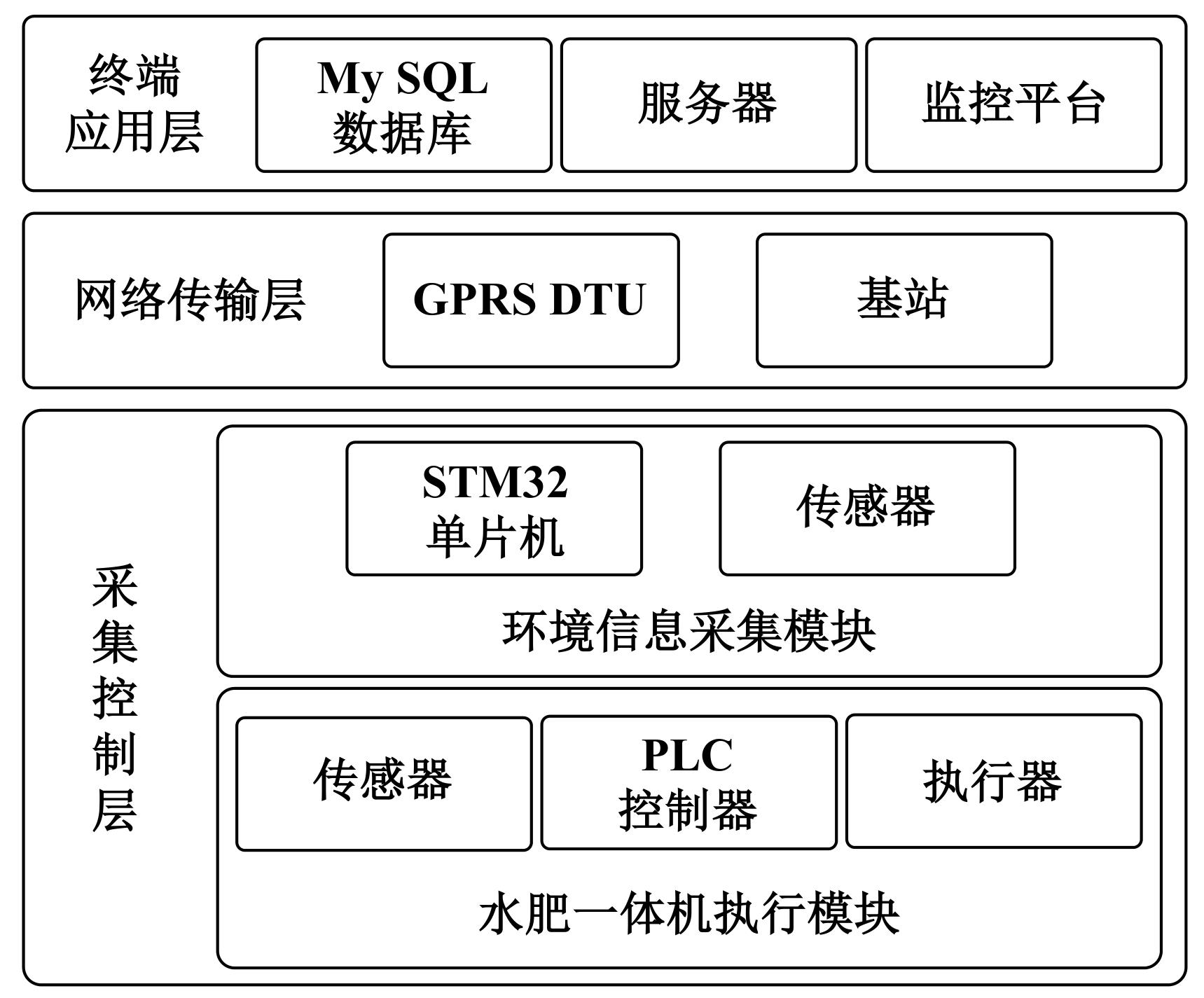
Table 3
The main technologies of green chemical control
| 名称 | 特点 | 优点 | 缺点 |
|---|---|---|---|
| 信息素 | 通过干扰昆虫交配,减少害虫种群,防治成本降低40% | 精准靶向、抗性风险低、资源高效、生态兼容 | 合成复杂、稳定性差、应用局限性、时效性短、推广受限 |
| 植物源农药 | 从植物中提取具有杀虫、杀菌或除草活性的化合物 | 天然安全、环境兼容、多靶点、资源可再生 | 制备成本高、稳定性不足、速效性差、原料局限、靶向性模糊 |
| 昆虫生长调节剂 | 通过干扰昆虫蜕皮、繁殖等生长发育过程,提供有效害虫控制手段 | 靶向调控、抗性延缓、亚致死效应、兼容性强 | 速效性差、温度敏感、施用局限、残留风险、成本高 |
| RNA干扰 | 通过特异性降解目标基因的mRNA来抑制基因表达 | 靶标专一性强、无残留、抗药性风险低、开发周期短 | 合成成本高、环境稳定性差、施用技术要求高、政策审批滞后 |
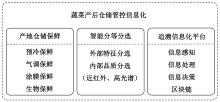
Fig. 4
Information system diagram for storage and control of vegetables after harvesting
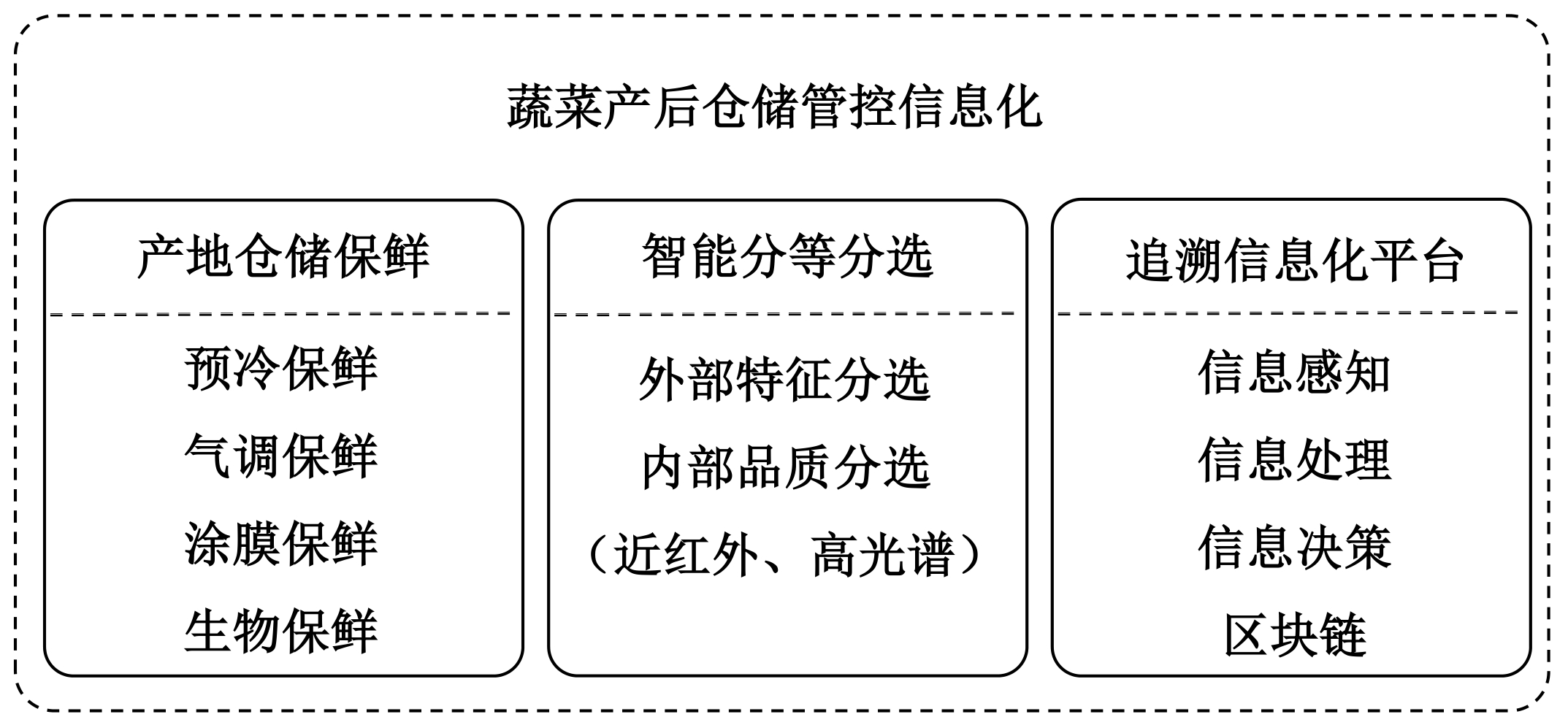
Table 4
Optimization of refrigeration parameters for tomatoes at different maturity stages
| 成熟阶段 | 适宜温度/℃ | 相对湿度/% | 预期保鲜期/d |
|---|---|---|---|
| 绿熟期 | 10~13 | 85~90 | 28~35 |
| 转色期 | 8~10 | 80~85 | 21~28 |
| 红熟期 | 2~4 | 90~95 | 14~21 |
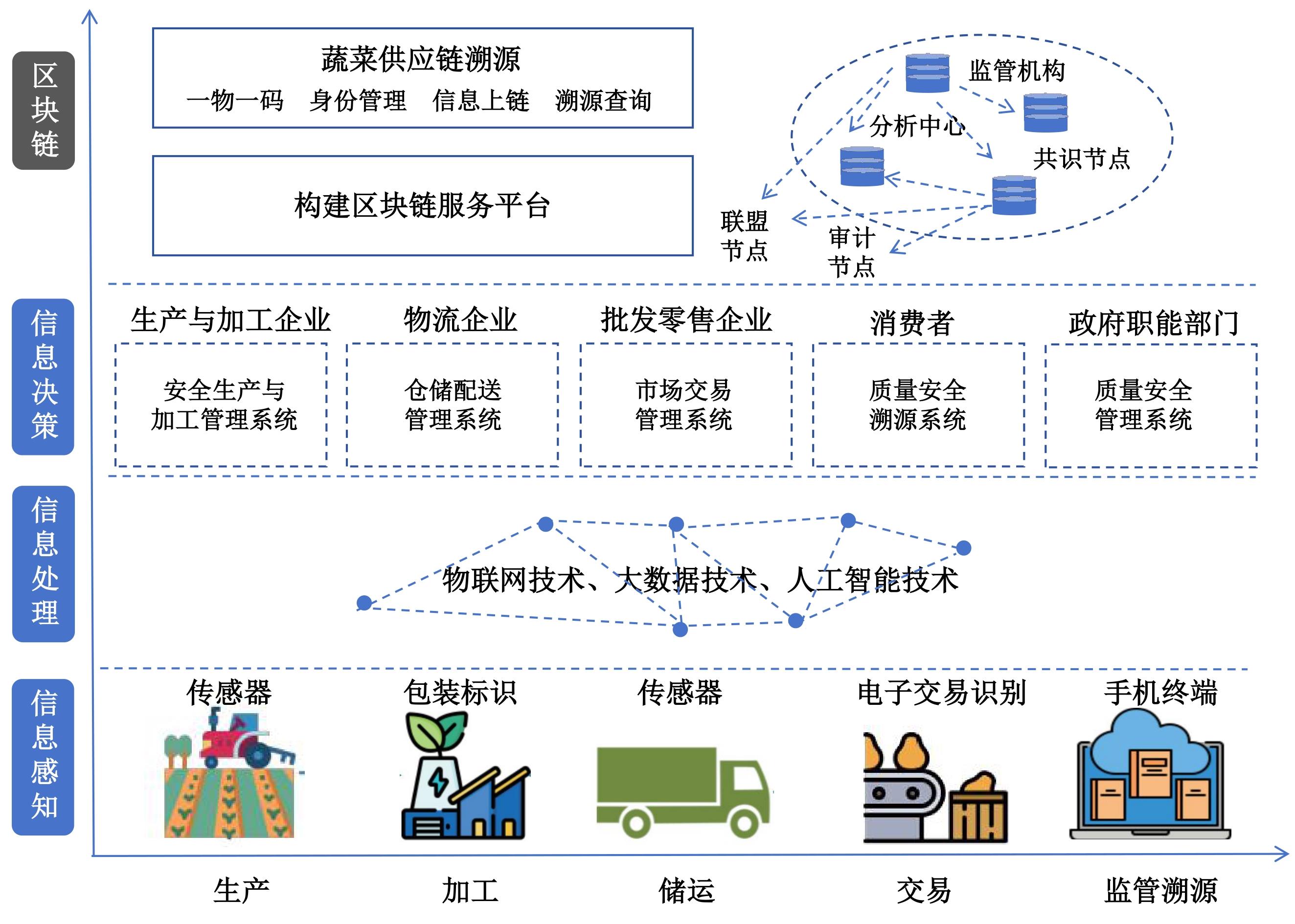
Fig. 5
Facility vegetable traceability system diagram
| [1] |
|
| [2] |
|
| [3] |
|
| [4] |
|
| [5] |
|
| [6] |
|
| [7] |
|
| [8] |
孙忠富, 杜克明, 郑飞翔, 等. 大数据在智慧农业中研究与应用展望[J]. 中国农业科技导报, 2013, 15(6): 63-71.
|
|
|
|
| [9] |
赵星, 廖桂平, 史晓慧, 等. 物联网与云计算环境下的农业信息服务模式构建[J]. 农机化研究, 2012, 34(4): 142-147.
|
|
|
|
| [10] |
韩佳伟, 朱文颖, 张博, 等. 装备与信息协同促进现代智慧农业发展研究[J]. 中国工程科学, 2022, 24(1): 55-63.
|
|
|
|
| [11] |
李道亮. 农业4.0: 即将到来的智能农业时代[J]. 农学学报, 2018, 8(1): 207-214.
|
|
|
|
| [12] |
李瑾, 马晨, 赵春江, 等. “互联网+”现代农业的战略路径与对策建议[J]. 中国工程科学, 2020, 22(4): 50-57.
|
|
|
|
| [13] |
赵春江, 李瑾, 冯献, 等. "互联网+"现代农业国内外应用现状与发展趋势[J]. 中国工程科学, 2018, 20(2): 50-56.
|
|
|
|
| [14] |
李瑾, 冯献, 郭美荣, 等. "互联网+"现代农业发展模式的国际比较与借鉴[J]. 农业现代化研究, 2018, 39(2): 194-202.
|
|
|
|
| [15] |
王艳艳. 农业信息化对农业经济增长的影响探究[J]. 中国市场, 2021(26): 50-51.
|
|
|
|
| [16] |
郑雅杰, 杨明, 李仪曼, 等. 精细化灌溉施肥对设施番茄生长及产量的影响[J]. 安徽农业科学, 2025, 53(4): 143-148.
|
|
|
|
| [17] |
姜天月, 马中正, 汪晓丽, 等. 我国设施番茄天敌昆虫应用研究进展[J/OL]. 蔬菜, 2025: 1-10. (2025-03-20)[2025-05-20].
|
|
|
|
| [18] |
顾文威, 韩晨, 谷少委. 设施番茄机械化生产装备应用实践及效益分析[J]. 农业装备技术, 2025, 51(1): 17-19.
|
|
|
|
| [19] |
刘志新, 郑北平, 张洪亮, 等. 适合无土栽培设施种植的樱桃番茄品种筛选[J]. 江苏农业科学, 2024, 52(21): 166-174.
|
|
|
|
| [20] |
王琦, 谭占明, 程云霞, 等. 不同比例红蓝光夜间补光对番茄生长生理的影响[J]. 山东农业科学, 2024, 56(9): 58-66.
|
|
|
|
| [21] |
王文元, 倪纪恒. 温室不同遮阳部位与遮阳密度对番茄光合特性的影响[J]. 江苏农业科学, 2024, 52(16): 197-202.
|
|
|
|
| [22] |
胡雯雯, 徐识溥, 刘勇, 等. 设施番茄智能水肥一体化系统设计[J]. 上海农业学报, 2024, 40(4): 104-109.
|
|
|
|
| [23] |
|
| [24] |
|
| [25] |
国家市场监督管理总局、中国国家标准化管理委员会. 高标准农田建设 通则: GB/T 30600—2022 [S]. 北京: 中国标准出版社, 2022.
|
|
Standardization Administration of the People's Republic of China. Well-facilitated farmland construction—General rules: GB/T 30600—2022 [S]. Beijing: Standards Press of China, 2022.
|
|
| [26] |
|
| [27] |
张秋生, 丁小明. 设施蔬菜产业发展(六) 我国规模化连栋玻璃温室发展现状与建议[J]. 中国蔬菜, 2024(3): 1-6.
|
|
|
|
| [28] |
陈永生. 设施蔬菜产业发展(二)2022—2023年中国蔬菜机械化发展概况[J]. 中国蔬菜, 2023(10): 5-10.
|
|
|
|
| [29] |
李天来. 设施蔬菜产业发展(一) 我国设施蔬菜产业发展现状及展望[J]. 中国蔬菜, 2023(9): 1-6.
|
|
|
|
| [30] |
王牧野, 李建平, 李俊杰, 等. 成本收益视角下中国设施蔬菜生产效率研究: 以黄瓜、番茄栽培为例[J]. 中国农业资源与区划, 2021, 42(12): 170-183.
|
|
|
|
| [31] |
杨信廷, 钱建平, 孙传恒, 等. 农产品及食品质量安全追溯系统关键技术研究进展[J]. 农业机械学报, 2014, 45(11): 212-222.
|
|
|
|
| [32] |
杨宝朔, 漆昌桂, 樊一尘, 等. 基于模糊控制的西瓜温室远程监控系统的研究[J]. 中国农机化学报, 2017, 38(8): 91-95, 129.
|
|
|
|
| [33] |
韩毅, 许春雨, 宋建成, 等. 基于物联网的日光温室智能监控系统设计与实现[J]. 北方园艺, 2016(9): 207-210.
|
|
|
|
| [34] |
朱丹, 陈学东, 张学俭, 等. 基于物联网的设施农业温室远程监控系统研究[J]. 中国农机化学报, 2020, 41(5): 176-181.
|
|
|
|
| [35] |
|
| [36] |
|
| [37] |
海涛, 李娜娜, 周文杰, 等. 基于LPWAN物联网的光伏温室智能监控系统设计[J]. 广西师范大学学报(自然科学版), 2021, 39(5): 100-109.
|
|
HAI T,
|
|
| [38] |
廖建尚. 基于物联网的温室大棚环境监控系统设计方法[J]. 农业工程学报, 2016, 32(11): 233-243.
|
|
|
|
| [39] |
马少辉, 孟婷, 吴智勋, 等. 基于PID控制的塑料大棚温湿度系统设计与试验[J]. 农业工程, 2025, 15(5): 57-63.
|
|
|
|
| [40] |
杨士晔. 日光温室番茄栽培温湿度评价与调控策略优化[D]. 杨凌: 西北农林科技大学, 2024.
|
|
|
|
| [41] |
刘传龙. 设施番茄温室温湿度智能调控系统研究[D]. 泰安: 山东农业大学, 2022.
|
|
|
|
| [42] |
丁小涛, 姜玉萍, 王虹, 等. LED株间补光对番茄生长和果实品质的影响[J]. 上海农业学报, 2016, 32(6): 48-51.
|
|
|
|
| [43] |
彭琛, 莫锦恋, 王丰. 机器视觉在农业蔬菜大棚环境监测系统中的研究与设计[J]. 湖南文理学院学报(自然科学版), 2021, 33(2): 68-72.
|
|
|
|
| [44] |
张海辉, 邵志成, 张佐经, 等. 基于无线传感网的设施环境二氧化碳精准调控系统[J]. 农业机械学报, 2017, 48(3): 325-331, 360.
|
|
|
|
| [45] |
|
| [46] |
张宝峰, 陈枭, 朱均超, 等. 基于物联网的水肥一体化系统设计与试验[J]. 中国农机化学报, 2021, 42(3): 98-104.
|
|
|
|
| [47] |
王淏. 基于AT80C51单片机的智能化温室灌溉和温度调控系统构建[J]. 中国农机装备, 2025(3): 47-49.
|
|
|
|
| [48] |
康艺凡, 杨英茹, 李友丽, 等. 基于番茄基质栽培的日光温室智能水肥一体化系统构建[J]. 河北农业科学, 2024, 28(6): 97-104.
|
|
|
|
| [49] |
马宇飞. 温室大棚与水肥一体化智能监控系统设计[D]. 杭州: 浙江农林大学, 2024.
|
|
|
|
| [50] |
王艳芳, 杨夕同, 雷喜红, 等. 连栋温室番茄工厂化生产植株精细化管理技术[J]. 中国蔬菜, 2019(1): 85-89.
|
|
|
|
| [51] |
左敏, 纪慧卓, 苏礼君, 等. 人工智能在食品安全中的最新应用及进展[J]. 中国食品学报, 2024, 24(10): 1-13.
|
|
|
|
| [52] |
丁浩晗, 谢祯奇, 沈嵩, 等. 基于人工智能的集成食品检测技术应用与展望[J]. 食品科学技术学报, 2024, 42(5): 13-23, 32.
|
|
|
|
| [53] |
刘晶璟. 人工智能技术在食品安全监管领域应用研究[J]. 微型电脑应用, 2018, 34(6): 40-43.
|
|
|
|
| [54] |
张华, 朱婷倩, 张运来, 等. 设施番茄精准授粉机器人研究进展[J]. 沈阳农业大学学报, 2024, 55(6): 798-808.
|
|
|
|
| [55] |
|
| [56] |
|
| [57] |
梁会成. 基于深度学习的番茄叶部病变检测方法研究[D]. 西安: 西京学院, 2023.
|
|
|
|
| [58] |
张袁源. 基于深度学习的番茄病害早晚期识别系统的设计与实现[D]. 合肥: 安徽大学, 2023.
|
|
|
|
| [59] |
|
| [60] |
鞠琪, 李长亮, 冯毓琴, 等. 预冷技术在西蓝花保鲜中的应用研究进展[J]. 寒旱农业科学, 2023(8): 709-712.
|
|
|
|
| [61] |
|
| [62] |
|
| [63] |
|
| [64] |
|
| [65] |
王佳捷, 孙颖, 刘雅慈, 等. 压差预冷对西蓝花贮藏品质的影响[J]. 食品与发酵工业, 2023, 49(23): 227-235.
|
|
|
|
| [66] |
|
| [67] |
虞新新, 吕恩利, 陆华忠, 等. 不同气调环境对番茄保鲜品质的影响[J]. 江苏农业科学, 2017, 45(12): 135-139.
|
|
|
|
| [68] |
李春媛, 陆小宇, 赵竞伊, 等. 不同成熟度番茄货架期间品质及挥发性物质变化研究[J]. 保鲜与加工, 2025, 25(4): 97-105.
|
|
|
|
| [69] |
吴宪玲, 李晓敏, 周雪婷. 气调包装技术在食品包装中的应用[J]. 农业科技与装备, 2021(6): 86-87.
|
|
|
|
| [70] |
孙小静, 苏丹, 陆敏, 等. 基于主成分分析法研究自发气调包装对鲜食小米椒的保鲜效果[J]. 保鲜与加工, 2025, 25(3): 55-64.
|
|
|
|
| [71] |
|
| [72] |
于有伟, 刘坤渝, 张少颖, 等. 水溶性壳聚糖/可得然胶可食性复合涂膜对樱桃番茄灰霉的抑制作用及机理[J]. 食品科学, 2024, 45(22): 239-246.
|
|
|
|
| [73] |
赵月. 拮抗酵母对番茄果实灰霉病的抑制作用研究[D]. 天津: 天津科技大学, 2017.
|
|
|
|
| [74] |
|
| [75] |
|
| [76] |
张哲, 马斌, 罗娜, 等. 果蔬农产品产地智能化处理技术研究进展与展望[J]. 农业机械学报, 2025, 56(6): 1-16, 46.
|
|
|
|
| [77] |
|
| [78] |
|
| [79] |
|
| [80] |
张保华, 李江波, 樊书祥, 等. 高光谱成像技术在果蔬品质与安全无损检测中的原理及应用[J]. 光谱学与光谱分析, 2014, 34(10): 2743-2751.
|
|
|
|
| [81] |
王加龙, 马坤, 高鹏, 等. 基于可见-近红外光谱技术研发便携式贝贝南瓜品质无损检测仪[J]. 食品科学, 2025, 46(6): 254-262.
|
|
|
|
| [82] |
邢书海, 张淑娟, 孙海霞, 等. 基于可见/近红外光谱西葫芦硬度的无损检测模型的建立[J]. 山西农业科学, 2020, 48(1): 58-60, 121.
|
|
|
|
| [83] |
张雯雯, 胡亚东, 孙文珂, 等. 基于近红外光谱与深度学习的紫菜水分无损检测[J]. 食品工业科技, 2024, 45(21): 190-197.
|
|
|
|
| [84] |
徐一新, 戴海宸, 张月, 等. 基于相位成像的番茄果实糖度检测[J]. 中国激光, 2024, 51(3): 0307109.
|
|
|
|
| [85] |
孙传恒, 朱文颖, 邢斌, 等. 中国农产品质量安全可追溯体系发展历程与展望[J]. 农业工程学报, 2025, 41(12): 1-14.
|
|
|
|
| [86] |
|
| [87] |
|
| [88] |
卢升荣, 陈希, 刘瑶. 生鲜农产品冷链物流追溯系统设计[J]. 物流技术, 2022, 41(10): 138-141.
|
|
|
|
| [89] |
智丽平, 肖文可. 大数据与粮食质量安全监管的融合及应用研究[J]. 食品安全导刊, 2024(32): 165-168.
|
|
|
|
| [90] |
|
| [91] |
|
| [92] |
孙传恒, 于华竟, 徐大明, 等. 农产品供应链区块链追溯技术研究进展与展望[J]. 农业机械学报, 2021, 52(1): 1-13.
|
|
|
|
| [93] |
张长贵, 张岩峰, 李晓华, 等. 区块链新技术综述: 图型区块链和分区型区块链[J]. 计算机科学, 2020, 47(10): 282-289.
|
|
|
|
| [94] |
于丽娜, 张国锋, 贾敬敦, 等. 基于区块链技术的现代农产品供应链[J]. 农业机械学报, 2017, 48(S1): 387-393.
|
|
|
|
| [95] |
|
| [96] |
孙传恒, 于华竟, 罗娜, 等. 基于智能合约的果蔬区块链溯源数据存储方法研究[J]. 农业机械学报, 2022, 53(8): 361-370.
|
|
|
|
| [97] |
|
| [98] |
|
| [99] |
|
| [100] |
|
| [101] |
郭旺, 杨雨森, 吴华瑞, 等. 农业大模型: 关键技术、应用分析与发展方向[J]. 智慧农业(中英文), 2024, 6(2): 1-13.
|
|
|
|
| [102] |
王婷, 王娜, 崔运鹏, 等. 基于人工智能大模型技术的果蔬农技知识智能问答系统[J]. 智慧农业(中英文), 2023, 5(4): 105-116.
|
|
|
|
| [103] |
|
| [104] |
王丽, 傅延富. 智慧农业技术在设施蔬菜中的研究进展[J]. 优质农产品, 2025(7): 53-55.
|
|
|
|
| [105] |
|
| [106] |
|
| [107] |
|
| [108] |
|
| [109] |
|
| [110] |
顾生浩, 卢宪菊, 王勇健, 等. 数字孪生系统在农业生产中的应用探讨[J]. 中国农业科技导报, 2021, 23(10): 82-89.
|
|
|
|
| [111] |
陈枫, 孙传恒, 邢斌, 等. 农业元宇宙: 关键技术、应用情景、挑战与展望[J]. 智慧农业(中英文), 2022, 4(4): 126-137.
|
|
|
|
| [112] |
|
| [1] | ZHANG Le, LI Aixue, CHEN Liping. Electrochemical Sensors for Plant Active Small Molecule Detection: A review [J]. Smart Agriculture, 2025, 7(3): 69-88. |
| [2] | LIU Jifang, ZHOU Xiangyang, LI Min, HAN Shuqing, GUO Leifeng, CHI Liang, YANG Lu, WU Jianzhai. Artificial Intelligence-Driven High-Quality Development of New-Quality Productivity in Animal Husbandry: Restraining Factors, Generation Logic and Promotion Paths [J]. Smart Agriculture, 2025, 7(1): 165-177. |
| [3] | LIU lining, ZHANG Hongqi, ZHANG Ziwen, ZHANG Zhenghui, WANG Jiayu, LI Xuanxuan, ZHU Ke, LIU Pingzeng. Key Technologies and Construction model for Unmanned Smart Farms: Taking the "1.5-Ton Grain per Mu" Unmanned Farm as An Example [J]. Smart Agriculture, 2025, 7(1): 70-84. |
| [4] | ZHANG Fan, ZHOU Mengting, XIONG Benhai, YANG Zhengang, LIU Minze, FENG Wenxiao, TANG Xiangfang. Research Advances and Prospect of Intelligent Monitoring Systems for the Physiological Indicators of Beef Cattle [J]. Smart Agriculture, 2024, 6(4): 1-17. |
| [5] | GUO Wang, YANG Yusen, WU Huarui, ZHU Huaji, MIAO Yisheng, GU Jingqiu. Big Models in Agriculture: Key Technologies, Application and Future Directions [J]. Smart Agriculture, 2024, 6(2): 1-13. |
| [6] | MAO Kebiao, ZHANG Chenyang, SHI Jiancheng, WANG Xuming, GUO Zhonghua, LI Chunshu, DONG Lixin, WU Menxin, SUN Ruijing, WU Shengli, JI Dabin, JIANG Lingmei, ZHAO Tianjie, QIU Yubao, DU Yongming, XU Tongren. The Paradigm Theory and Judgment Conditions of Geophysical Parameter Retrieval Based on Artificial Intelligence [J]. Smart Agriculture, 2023, 5(2): 161-171. |
| [7] | GUI Zechun, ZHAO Sijian. Research Application of Artificial Intelligence in Agricultural Risk Management: A Review [J]. Smart Agriculture, 2023, 5(1): 82-98. |
| [8] | ZHAO Ruixue, YANG Chenxue, ZHENG Jianhua, LI Jiao, WANG Jian. Agricultural Intelligent Knowledge Service: Overview and Future Perspectives [J]. Smart Agriculture, 2022, 4(4): 105-125. |
| [9] | GENG Wenxuan, ZHAO Junye, RUAN Jiwei, HOU Yuehui. Comparative Study of the Regulation Effects of Artificial Intelligence-Assisted Planting Strategies on Strawberry Production in Greenhouse [J]. Smart Agriculture, 2022, 4(2): 183-193. |
| [10] | ZHANG Yu, ZHAO Chunjiang, LIN Sen, GUO Wenzhong, WEN Chaowu, LONG Jiehua. Irrigation Method and Verification of Strawberry Based on Penman-Monteith Model and Path Ranking Algorith [J]. Smart Agriculture, 2021, 3(3): 116-128. |
| [11] | LI Daoliang, LIU Chang. Recent Advances and Future Outlook for Artificial Intelligence in Aquaculture [J]. Smart Agriculture, 2020, 2(3): 1-20. |
| [12] | JIN Zhou, ZHANG Junqing, GUO Hongyan, HU Yimin, CHEN Xiangyu, HUANG He, WANG Hongyan. Development and Testing of Intelligent Sensing and Precision Proportioning System of Water and Fertilizer Concentration [J]. Smart Agriculture, 2020, 2(2): 82-93. |
| [13] | Wu Huarui. Method of tomato leaf diseases recognition method based on deep residual network [J]. Smart Agriculture, 2019, 1(4): 42-49. |
| [14] | Zhao Chunjiang. State-of-the-art and recommended developmental strategic objectivs of smart agriculture [J]. Smart Agriculture, 2019, 1(1): 1-7. |
| Viewed | ||||||
|
Full text |
|
|||||
|
Abstract |
|
|||||