Smart Agriculture ›› 2026, Vol. 8 ›› Issue (4): 100-113.doi: 10.12133/j.smartag.SA202512013
• Information Processing and Decision Making • Previous Articles
SHI Qimeng, WANG Jun( ), XU Xiaofeng, ZHANG Weiyi
Received:2025-12-12
Online:2026-07-30
Foundation items:National Natural Science Foundation of China(62406004); Collaborative Innovation Project of Anhui Higher Education Institutions(GXXT-2019-020)
About author:SHI Qimeng, E-mail: 2240932105@stu.ahpu.edu.cn
corresponding author:
CLC Number:
SHI Qimeng, WANG Jun, XU Xiaofeng, ZHANG Weiyi. Cotton Maturity Detection Algorithm Based on Improved RT-DETR[J]. Smart Agriculture, 2026, 8(4): 100-113.
Add to citation manager EndNote|Ris|BibTeX
URL: https://www.smartag.net.cn/EN/10.12133/j.smartag.SA202512013

Fig. 1
Images of cotton at different stages
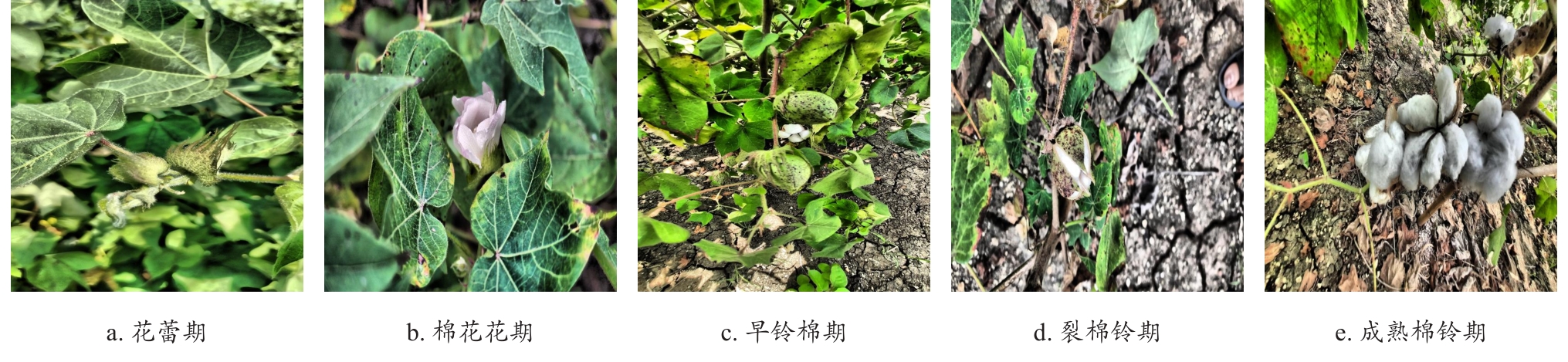
Table 1
The dataset of cotton maturity
| 棉花成熟度类别 | 图像数量/张 |
|---|---|
| 花蕾期 | 1 378 |
| 棉花花期 | 602 |
| 早铃棉期 | 3 667 |
| 裂棉铃期 | 400 |
| 成熟棉铃期 | 2 757 |
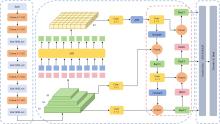
Fig. 2
Schematic diagram of CM-DETR network structure
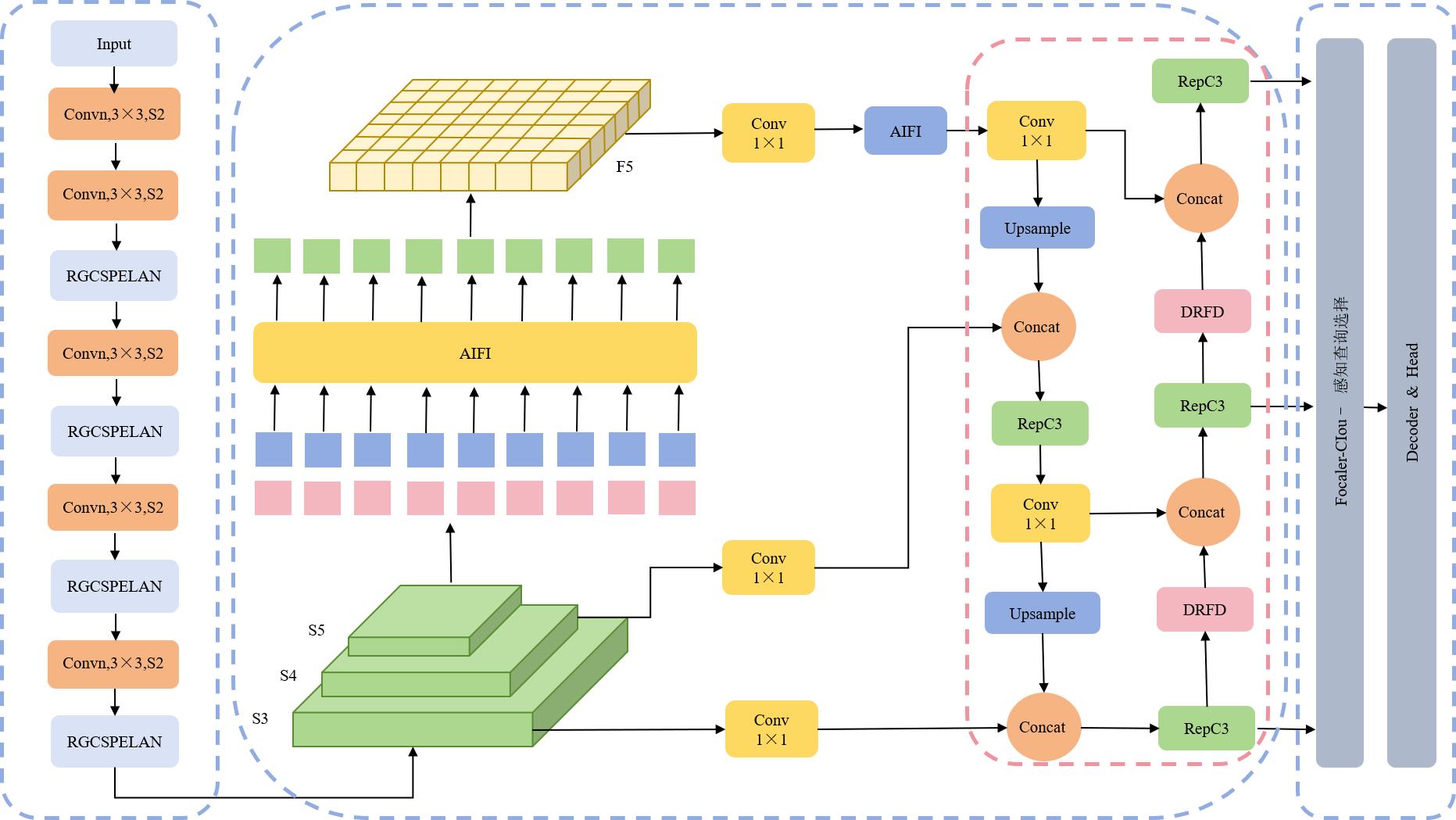
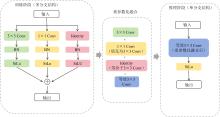
Fig. 3
Structure diagram of RepConv module
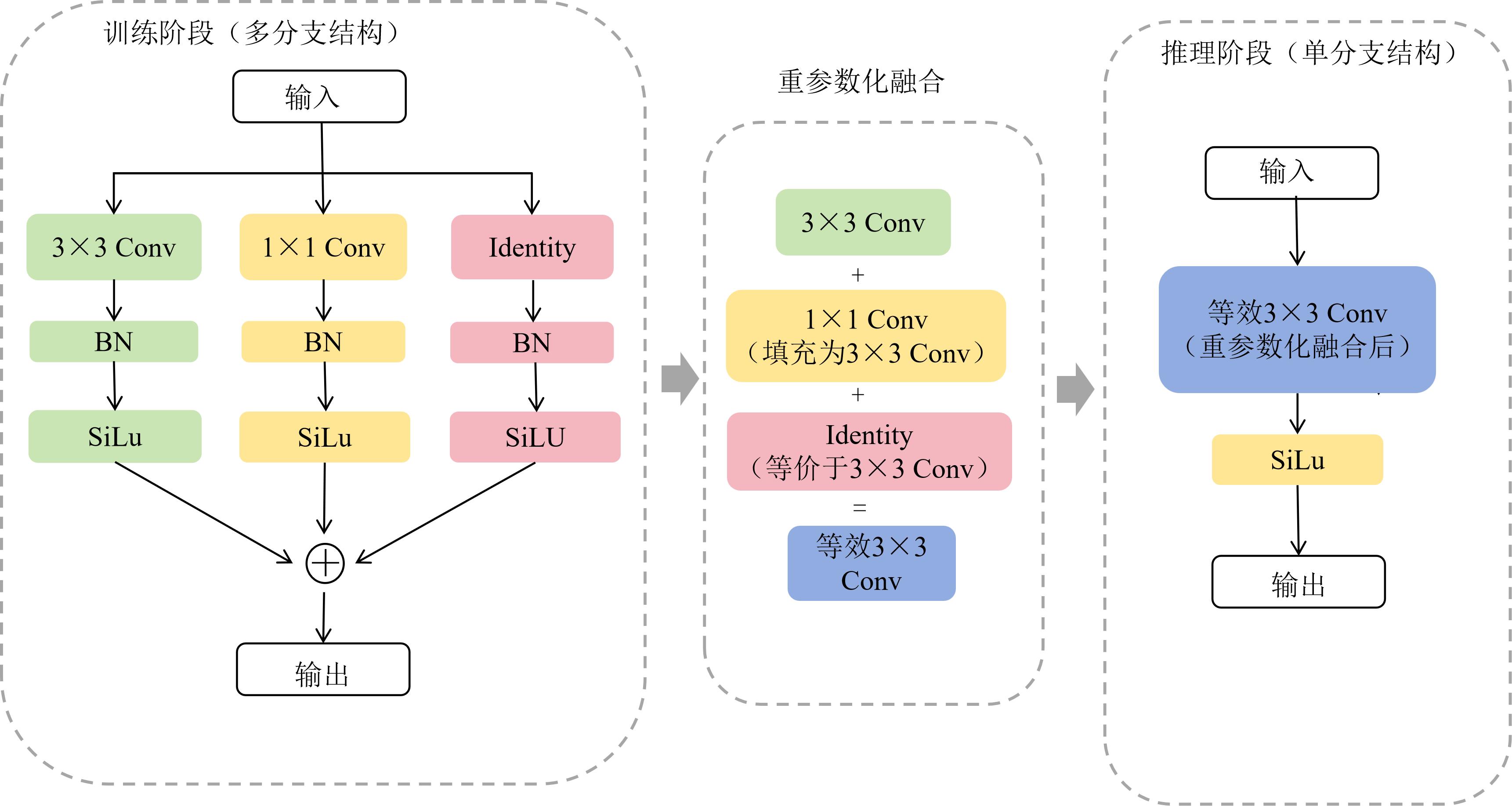
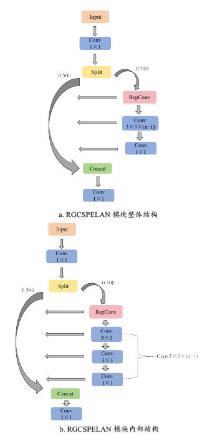
Fig. 4
RGCSPELAN module architecture
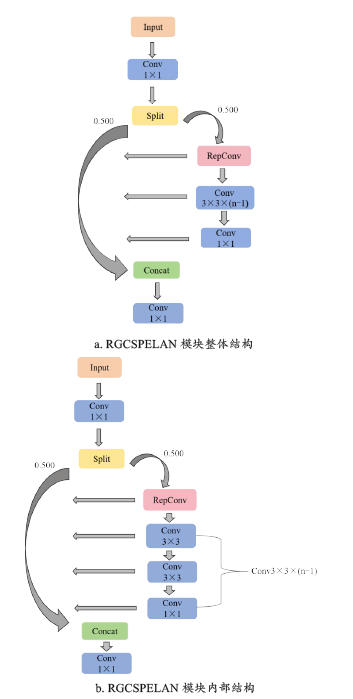
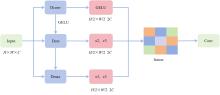
Fig. 5
Architecture of the DRFD module
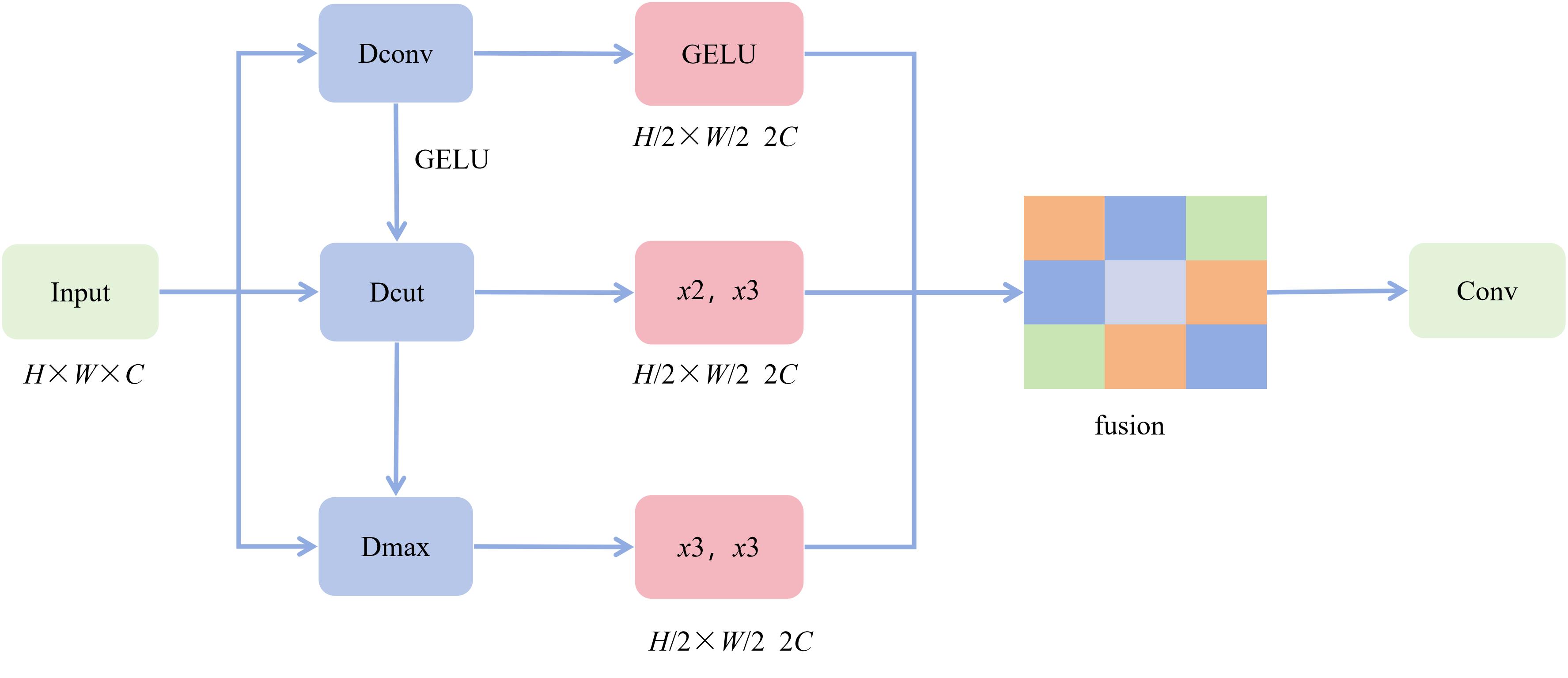
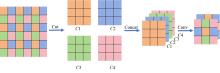
Fig. 6
Spatial structure diagram of the Dcut module
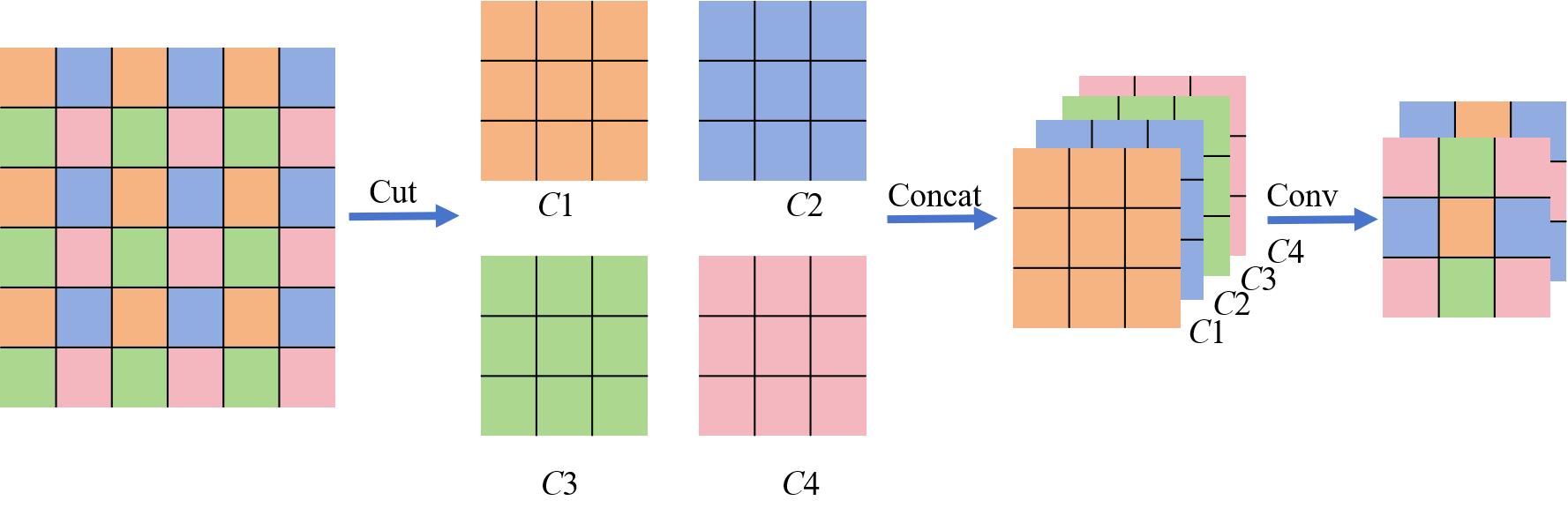
Table 2
Ablation study results of the CM-DETR model
| RT-DETR | RGCSPELAN | DRFD | Focaler-CIoU | P/% | R/% | F 1/% | mAP50/% | mAP50~95/% | 参数量/M | 计算量/GFLOPs | 帧率/(帧/s) |
|---|---|---|---|---|---|---|---|---|---|---|---|
| √ | × | × | × | 79.5 | 74.5 | 76.9 | 77.1 | 49.3 | 19.9 | 57.0 | 77.3 |
| √ | √ | × | × | 81.4 | 75.3 | 78.2 | 78.2 | 50.3 | 13.8 | 44.5 | 83.8 |
| √ | × | √ | × | 83.3 | 74.6 | 78.7 | 77.8 | 49.3 | 19.6 | 56.5 | 75.9 |
| √ | × | × | √ | 80.2 | 76.8 | 78.5 | 78.9 | 49.8 | 19.9 | 57.0 | 76.4 |
| √ | √ | √ | × | 82.2 | 76.6 | 79.3 | 78.8 | 49.4 | 13.6 | 44.0 | 83.3 |
| √ | √ | × | √ | 79.8 | 77.7 | 78.7 | 79.7 | 50.1 | 13.8 | 44.5 | 87.6 |
| √ | × | √ | √ | 79.7 | 74.9 | 77.2 | 78.3 | 49.9 | 19.6 | 56.5 | 74.6 |
| √ | √ | √ | √ | 82.1 | 77.4 | 79.7 | 80.8 | 51.1 | 13.6 | 44.0 | 83.6 |
Table 3
Results of RT-DETR comparison experiment with different backbone networks
| 模型 | P/% | R/% | mAP50/% | mAP50~95/% | 参数量/M | 计算量/GFLOPs | 帧率/(帧/s) |
|---|---|---|---|---|---|---|---|
| RT-DETR(baseline) | 79.5 | 74.5 | 77.1 | 49.3 | 19.9 | 57.0 | 42.8 |
| +RGCSPELAN | 81.4 | 75.3 | 78.2 | 50.3 | 13.8 | 44.5 | 52.8 |
| +EMBSFPN | 81.6 | 72.7 | 76.6 | 49.2 | 17.9 | 48.6 | 33.9 |
| +PACAPN | 81.1 | 75.1 | 76.4 | 48.9 | 19.9 | 38.8 | 38.8 |
| +Context Guided | 80.1 | 73.7 | 77.1 | 48.7 | 16.5 | 47.6 | 43.7 |
| +CGRFPN | 81.7 | 75.2 | 76.0 | 48.9 | 19.2 | 48.2 | 41.0 |
Table 4
Comparison of different channel partitioning ratio α values in the RGCSPELAN module
| α取值 | P/% | R/% | F 1/% | mAP50/% | mAP50~95/% |
|---|---|---|---|---|---|
| 0.250 | 81.5 | 76.7 | 79.0 | 79.4 | 49.9 |
| 0.375 | 80.9 | 75.6 | 78.2 | 78.1 | 48.7 |
| 0.500 | 82.1 | 77.4 | 79.7 | 80.8 | 51.1 |
| 0.625 | 80.2 | 75.7 | 77.9 | 80.2 | 50.6 |
| 0.750 | 79.5 | 75.1 | 77.2 | 78.5 | 49.5 |
Fig. 7
Comparison of loss function curves in cotton maturity detection research
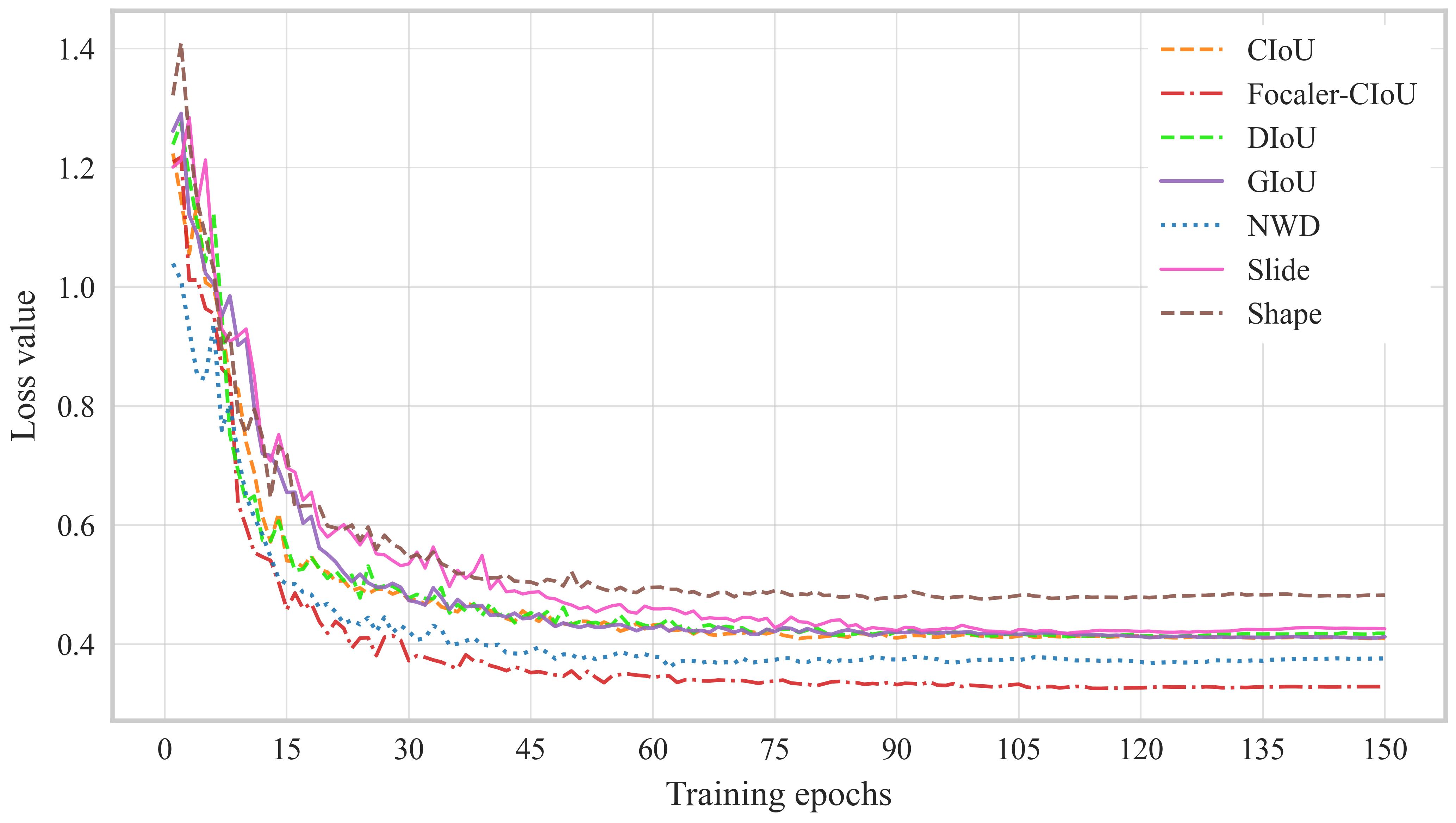
Table 5
Comparison of different values of threshold parameters d and u in the Focaler-CIoU module
| d取值 | u取值 | P/% | R/% | F 1/% | mAP50/% | mAP50~95/% |
|---|---|---|---|---|---|---|
| 0.20 | 0.90 | 80.8 | 76.0 | 78.3 | 79.9 | 50.2 |
| 0.25 | 0.70 | 81.7 | 75.6 | 78.5 | 77.9 | 48.7 |
| 0.40 | 0.85 | 80.2 | 72.6 | 76.2 | 76.1 | 48.2 |
| 0.55 | 0.75 | 82.3 | 73.4 | 77.6 | 78.5 | 49.2 |
| 0.30 | 0.80 | 77.4 | 71.3 | 74.2 | 74.6 | 47.4 |
| 0.50 | 0.60 | 82.1 | 77.4 | 79.7 | 80.8 | 51.1 |
Table 6
Detection experimental results of different models in cotton maturity detection research
| 模型 | P/% | R/% | F 1/% | mAP50/% | mAP50~95/% | 参数量/M | 计算量/GFLOPs |
|---|---|---|---|---|---|---|---|
| DINO | 82.2 | 69.1 | 75.1 | 77.9 | 48.0 | 46.8 | 268.2 |
| YOLOv5m | 79.4 | 71.1 | 75.0 | 78.7 | 50.5 | 22.1 | 64.0 |
| YOLOv8m | 76.7 | 73.2 | 74.9 | 77.6 | 48.6 | 25.9 | 79.3 |
| YOLOv10m | 75 .1 | 73.7 | 74.3 | 78.0 | 50.0 | 15.3 | 58.9 |
| RT-DETR | 79.5 | 74.5 | 76.9 | 77.1 | 49.3 | 19.9 | 57.0 |
| CM-DETR | 82.1 | 77.4 | 79.7 | 80.8 | 51.1 | 13.6 | 44.0 |
Fig. 8
Visualization of detection results of different models in cotton maturity detection
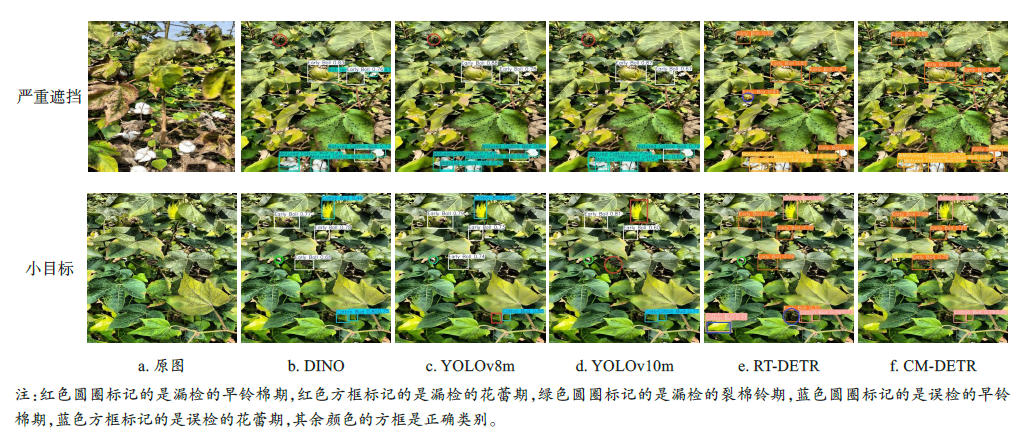
Table 7
Comparison results of AP for different maturity categories in cotton maturity detection research
| 棉花成熟度类别 | 改进前RT-DETR 平均精度 | 改进后CM-DETR 平均精度 | ||
|---|---|---|---|---|
| AP50/% | AP50~95/% | AP50/% | AP50~95/% | |
| 花蕾期 | 44.4 | 59.8 | 47.4 | 63.3 |
| 棉花花期 | 62.4 | 78.6 | 64.8 | 83.3 |
| 早铃棉期 | 62.2 | 80.5 | 62.4 | 81.8 |
| 裂棉铃期 | 61.8 | 78.3 | 70.0 | 86.7 |
| 成熟棉铃期 | 70.8 | 85.8 | 70.6 | 86.6 |
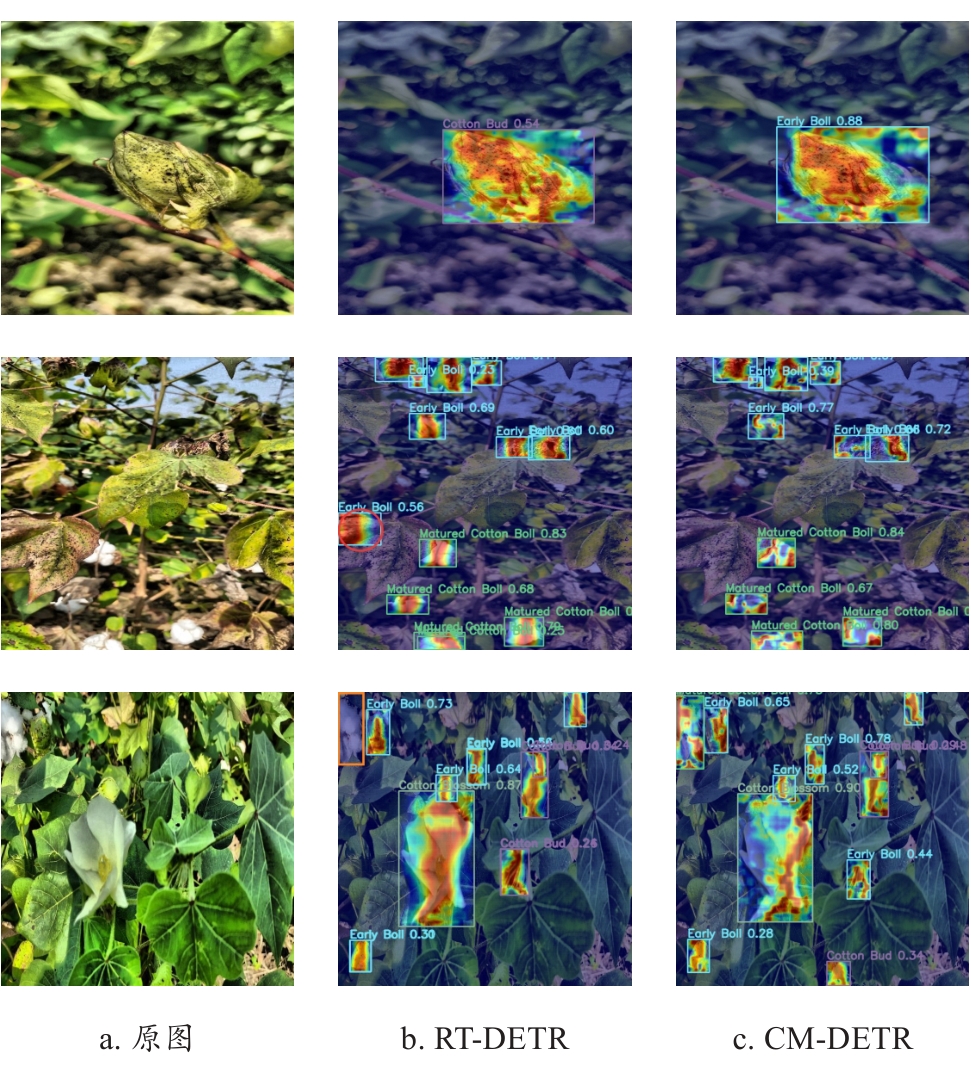
Fig. 9
Thermal map analysis of cotton detection before and after improvement
| [1] |
李玉超, 张立杰, 乔心培. 棉花产业协同集聚对棉花绿色全要素生产率的影响[J]. 中国生态农业学报(中英文), 2025, 33(5): 985-998.
|
|
|
|
| [2] |
范军亮, 白振涛, 李云霞, 等. 灌水施氮和缩节胺用量对南疆棉花产量品质和水肥利用效率的影响[J]. 农业工程学报, 2024, 40(9): 68-78.
|
|
|
|
| [3] |
吴华瑞, 李静晨, 杨雨森. 基于大语言模型的个性化作物水肥管理智能决策方法[J]. 智慧农业(中英文), 2025, 7(1): 11-19.
|
|
|
|
| [4] |
吴琼, 刘保军, 李慧, 等. 不同基肥水平对棉苗生长和棉花产量的影响[J]. 新疆农业科学, 2020, 57(4): 740-745.
|
|
|
|
| [5] |
吴传云, 冯健, 陈传强, 等. 我国棉花产业现状与机械化发展情况分析[J]. 中国农机化学报, 2021, 42(5): 215-221.
|
|
|
|
| [6] |
辛明华, 王占彪, 韩迎春, 等. 新疆机采棉发展回顾、现状分析及措施建议[J]. 中国农业科技导报, 2021, 23(7): 11-20.
|
|
|
|
| [7] |
|
| [8] |
李瑞鑫, 曹悦, 司秀丽, 等. 基于改进YOLOv8n的樱桃成熟度检测研究[J]. 智能化农业装备学报(中英文), 2025, 6 (4): 40-49.
|
|
|
|
| [9] |
|
| [10] |
王东方, 汪军. 基于迁移学习和残差网络的农作物病害分类[J]. 农业工程学报, 2021, 37(4): 199-207.
|
|
|
|
| [11] |
|
| [12] |
|
| [13] |
|
| [14] |
|
| [15] |
彭炫, 周建平, 许燕, 等. 改进YOLOv5识别复杂环境下棉花顶芽[J]. 农业工程学报, 2023, 39(16): 191-197.
|
|
|
|
| [16] |
|
| [17] |
|
| [18] |
|
| [19] |
|
| [20] |
于英杰, 吴坤澍, 冉朋鑫, 等. 基于改进YOLOv7的核桃仁分级研究与试验[J]. 智能化农业装备学报(中英文), 2025, 6 (4): 17-23.
|
|
|
|
| [21] |
|
| [22] |
|
| [23] |
|
| [24] |
吴建成, 郭荣佐, 成嘉伟, 等. 注意力特征融合的快速遥感图像目标检测算法[J]. 计算机工程与应用, 2024, 60(1): 207-216.
|
|
|
|
| [25] |
|
| [26] |
|
| [27] |
|
| [28] |
|
| [29] |
|
| [30] |
|
| [31] |
|
| [1] | LIU Haoran, WANG Yu, ZHAO Xueguan, WU Huarui, FU Hao, PANG Shujie, ZHAI Changyuan. CD-YOLO: A Method for Detecting Carrot Seedlings in Field Based on Improved YOLOv11s [J]. Smart Agriculture, 2026, 8(2): 158-174. |
| [2] | ZHANG Wenbo, JIANG Yijue, SONG Wei, HE Qi, ZHANG Wenbo. CAGE-YOLO: A Dense Small Object Detection Model for Aquaculture Net Cages Based on Remote Sensing Images [J]. Smart Agriculture, 2026, 8(2): 98-117. |
| [3] | WU Tingting, GUO Junrui, TAO Qiujie, CHEN Shihua, GUO Shanli. YOLOv8n-SSND: An Improved Lightweight Model for Aerial Chenopodium Chenopodium quinoa Willd. Spike Target [J]. Smart Agriculture, 2026, 8(2): 59-71. |
| [4] | GAO Guangfu, WANG Qilei, SONG Liwen, FENG Haikuan, SHI Lei, YANG Hao, LIU Yang, YUE Jibo. Object Detection Method of Maize Ears Within Canopy Based on CornYOLO [J]. Smart Agriculture, 2026, 8(1): 167-177. |
| [5] | XIAO Ruihong, TAN Lixin, WANG Rifeng, SONG Min, HU Chengxi. Multi-Scale Tea Leaf Disease Detection Method Based on Improved YOLOv11n [J]. Smart Agriculture, 2026, 8(1): 62-71. |
| [6] | ZHAO Jun, NIE Zhigang, LI Guang, LIU Jiayu. Corn Borer Pests Infestations Detection Method Using Low-Altitude Close-Range UAV Imagery [J]. Smart Agriculture, 2025, 7(6): 111-123. |
| [7] | WANG Fengyun, WANG Xuanyu, AN Lei, FENG Wenjie. Detection Method for Log-Cultivated Shiitake Mushrooms Based on Improved RT-DETR [J]. Smart Agriculture, 2025, 7(5): 67-77. |
| [8] | LUO Xuelun, GOUDA Mostafa, SONG Xinbei, HU Yan, ZHANG Wenkai, HE Yong, ZHANG Jin, LI Xiaoli. Detection Method of Ectropis Grisescens Larvae in Canopy Environments Based on YOLO and Diffusion Models [J]. Smart Agriculture, 2025, 7(5): 156-168. |
| [9] | YANG Qilang, YU Lu, LIANG Jiaping. Grading Asparagus officinalis L. Using Improved YOLOv11 [J]. Smart Agriculture, 2025, 7(4): 84-94. |
| [10] | LIU Chang, SUN Yu, YANG Jing, WANG Fengchao, CHEN Jin. Grape Recognition and Localization Method Based on 3C-YOLOv8n and Depth Camera [J]. Smart Agriculture, 2024, 6(6): 121-131. |
| [11] | YE Dapeng, JING Jun, ZHANG Zhide, LI Huihuang, WU Haoyu, XIE Limin. MSH-YOLOv8: Mushroom Small Object Detection Method with Scale Reconstruction and Fusion [J]. Smart Agriculture, 2024, 6(5): 139-152. |
| [12] | SHANG Fengnan, ZHOU Xuecheng, LIANG Yingkai, XIAO Mingwei, CHEN Qiao, LUO Chendi. Detection Method for Dragon Fruit in Natural Environment Based on Improved YOLOX [J]. Smart Agriculture, 2022, 4(3): 120-131. |
| [13] | GUO Xiuming, ZHU Yeping, LI Shijuan, ZHANG Jie, LYU Chunyang, LIU Shengping. Scale Adaptive Small Objects Detection Method in Complex Agricultural Environment: Taking Bees as Research Object [J]. Smart Agriculture, 2022, 4(1): 140-149. |
| [14] | LONG Jiehua, GUO Wenzhong, LIN Sen, WEN Chaowu, ZHANG Yu, ZHAO Chunjiang. Strawberry Growth Period Recognition Method Under Greenhouse Environment Based on Improved YOLOv4 [J]. Smart Agriculture, 2021, 3(4): 99-110. |
| Viewed | ||||||
|
Full text |
|
|||||
|
Abstract |
|
|||||