Smart Agriculture ›› 2025, Vol. 7 ›› Issue (6): 18-34.doi: 10.12133/j.smartag.SA202506025
• Special Issue--Remote Sensing + AI Empowering the Modernization of Agriculture and Rural Areas • Previous Articles Next Articles
LAN Yubin1,2,3, WANG Chaofeng1,2, SUN Heguang1,2, CHEN Shengde1,2, WANG Guobin3, DENG Xiaoling1,2( ), WANG Yuanjie4()
Received:2025-06-13
Online:2025-11-30
Foundation items:Key Research and Development Program Project of Guangdong Province(2023B0202090001); Precision Agriculture Aviation Application Technology Discipline Innovation and Talent Introduction Base ('Base 111')(D18019); National Natural Science Foundation of China General Program(32371984); National Key Research and Development Program Project(2023YFD2000200); Key Technologies and Equipment for Precision Agricultural Aviation(NT2021009); National Cotton Industry Technology System(CARS-15-22)
About author:corresponding author:
CLC Number:
LAN Yubin, WANG Chaofeng, SUN Heguang, CHEN Shengde, WANG Guobin, DENG Xiaoling, WANG Yuanjie. Low-Altitude Technology Empowering Smart Agriculture: Technical System, Application Scenarios, and Challenge Recommendations[J]. Smart Agriculture, 2025, 7(6): 18-34.
Add to citation manager EndNote|Ris|BibTeX
URL: https://www.smartag.net.cn/EN/10.12133/j.smartag.SA202506025
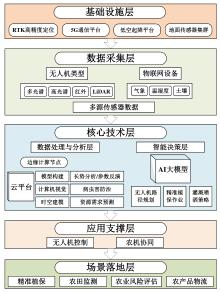
Fig. 1
Low-altitude technology helps create a new paradigm for smart agriculture

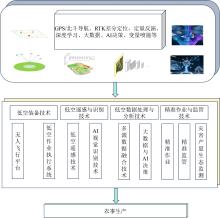
Fig. 2
Technology system of precision agriculture aviation
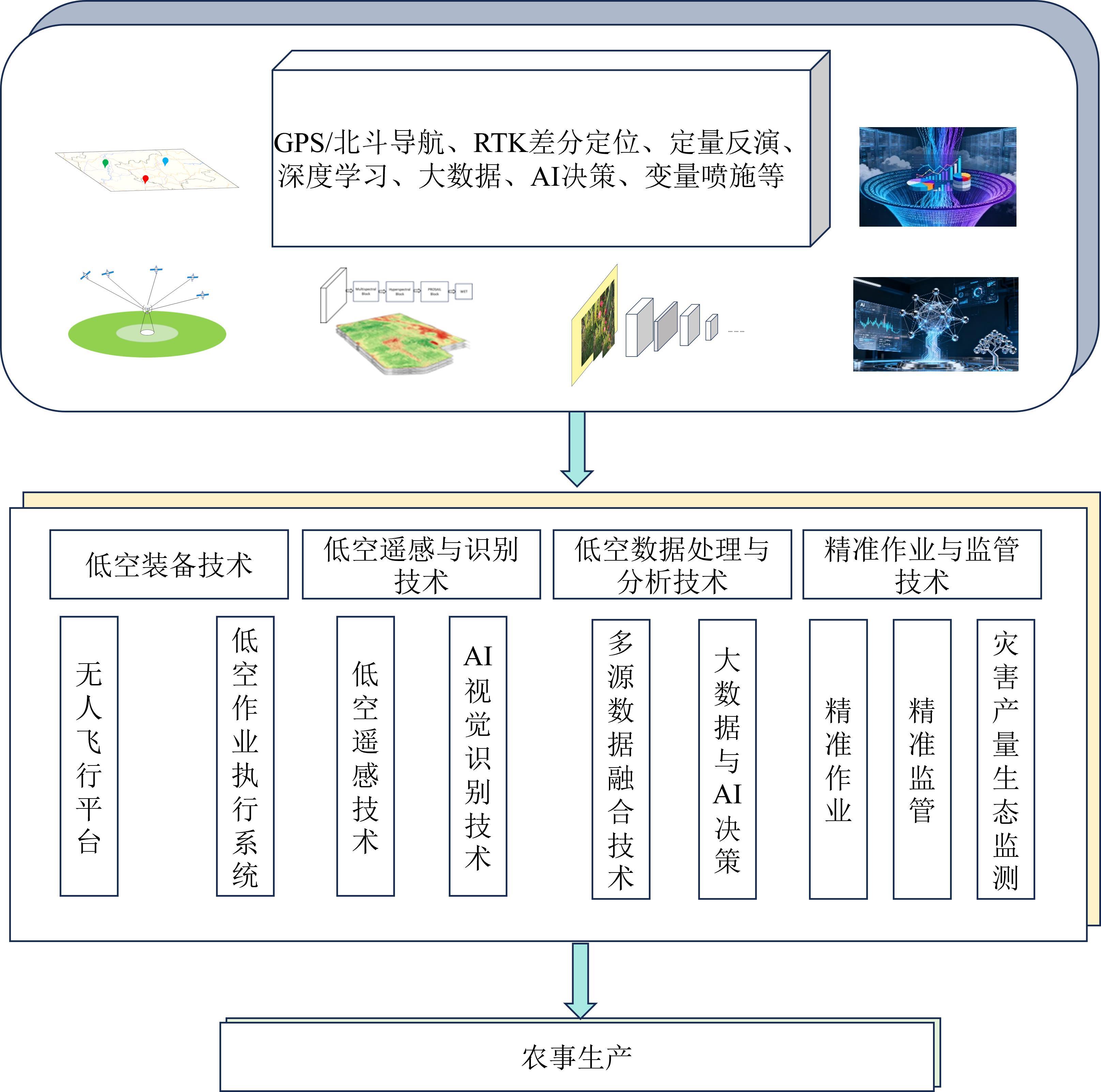
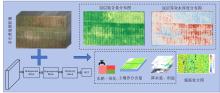
Fig. 3
Multi-knowledge coupling cotton water and nitrogen adaptive operation prescription map generation system
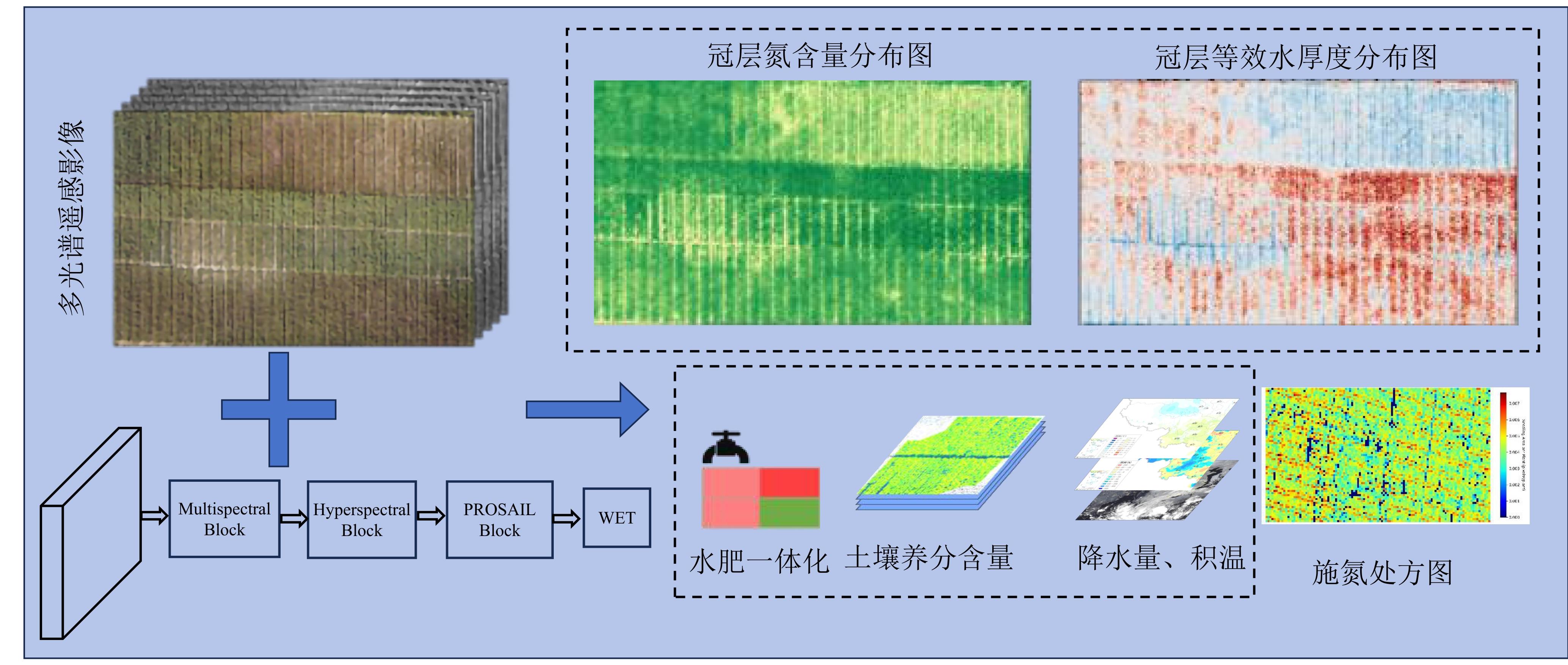
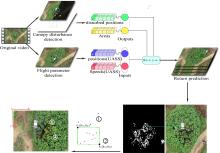
Fig. 4
A time series model for predicting litchi canopy disturbance

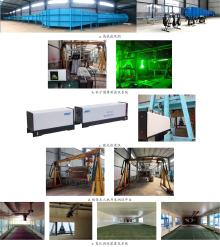
Fig. 5
Wind tunnel spray testing devices and systems

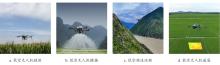
Fig. 6
Main application scenarios of low-altitude technology in agriculture
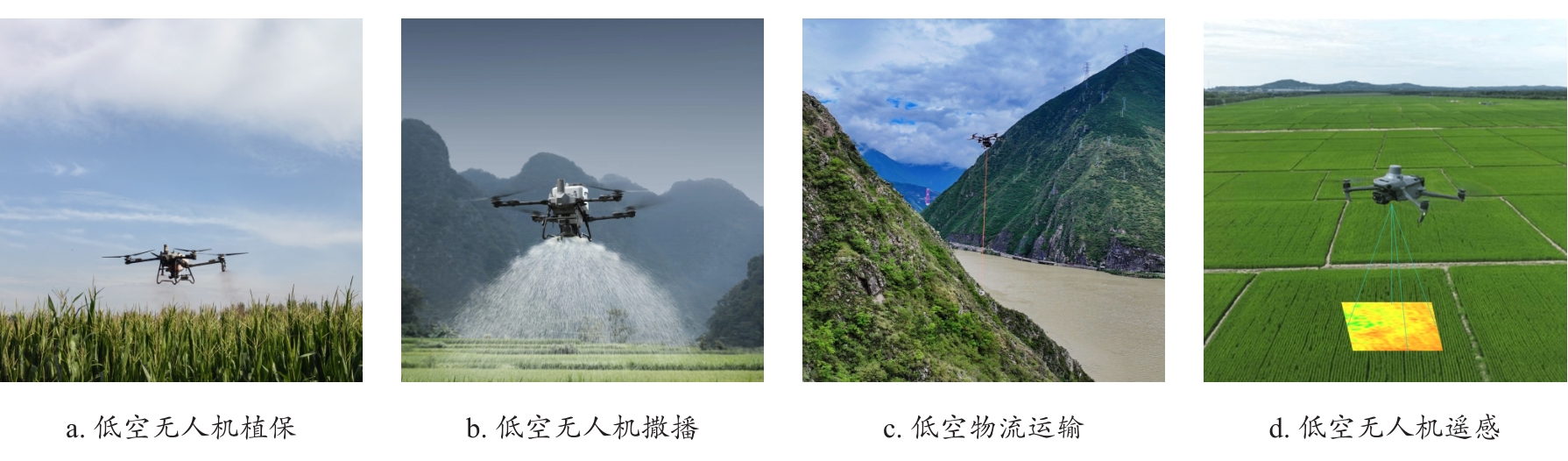
Fig. 7
"Zhixun" intelligent monitoring system and "Liqizhen" AI model

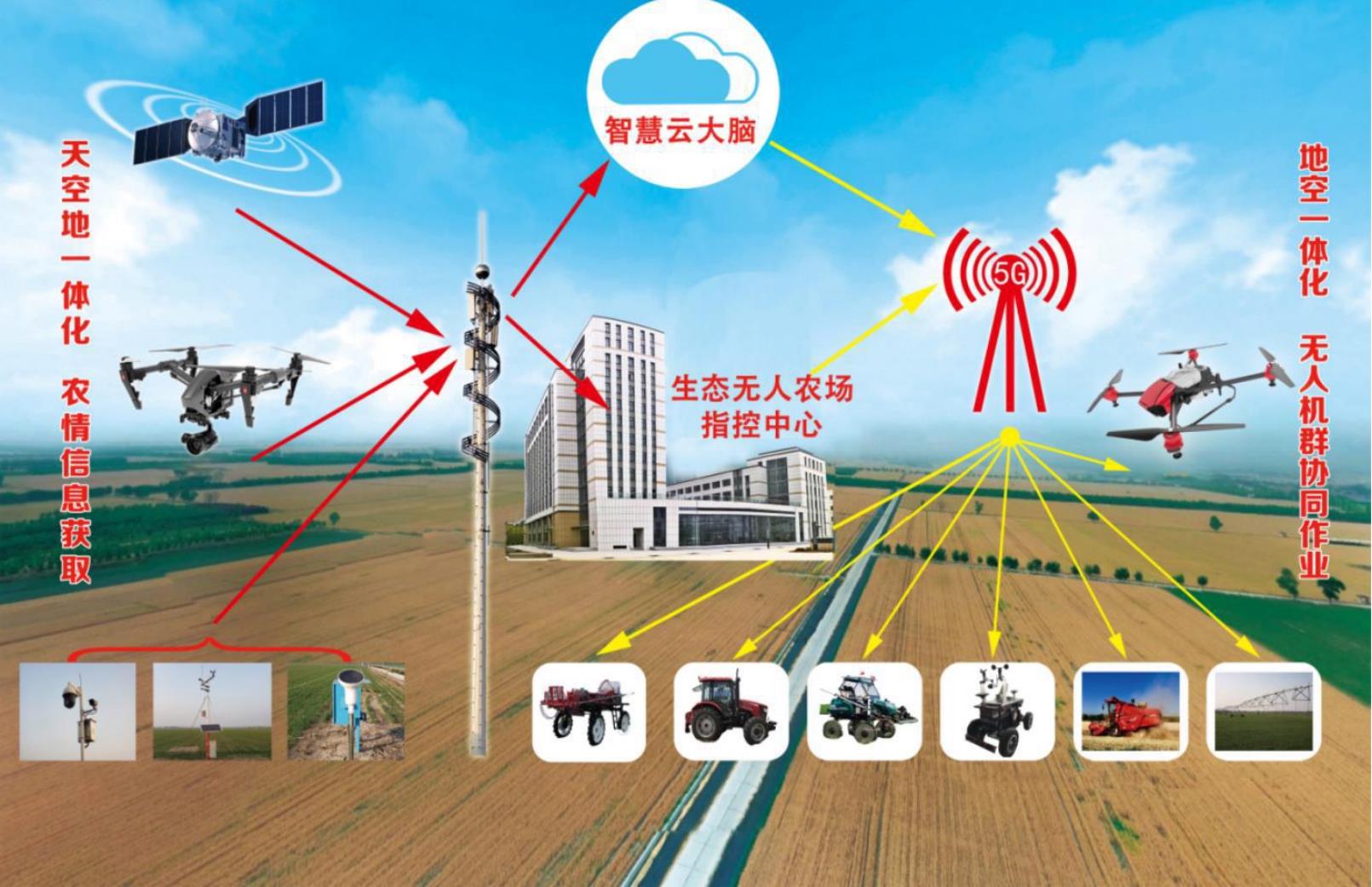
Fig. 8
Conceptual diagram of an ecological unmanned farm
| [1] |
兰玉彬. 我国精准农业航空现状与作用[J]. 农机市场, 2021(4): 23-24.
|
| [2] |
庞博. "低空+农业" 如何起飞?[N]. 农民日报, 2024-12-17(8).
|
| [3] |
王宝义, 张萌萌. 我国低空经济发展的理论逻辑与实施要点[J]. 中国流通经济, 2025, 39(5): 59-72.
|
|
|
|
| [4] |
何勇, 王月影, 何立文, 等. 低空经济政策和技术在农业农村的应用现状与前景[J]. 农业工程学报, 2025, 41(8): 1-16.
|
|
|
|
| [5] |
司超国, 刘梦晨, 吴华瑞, 等. Chilli-YOLO: 基于改进YOLOv10的露地辣椒成熟度智能检测算法[J]. 智慧农业(中英文), 2025, 7(2): 160-171.
|
|
|
|
| [6] |
李阳德, 马晓慧, 王骥. 基于轻量级MobileNet V3-YOLOv4的生长期菠萝成熟度分析[J]. 智慧农业(中英文), 2023, 5(2): 35-44.
|
|
|
|
| [7] |
聂鹏程, 钱程, 覃锐苗, 等. 天空地一体化信息感知与融合技术发展现状与趋势[J]. 智能化农业装备学报(中英文), 2023, 4(2): 1-11.
|
|
|
|
| [8] |
高心怡, 池泓, 黄进良, 等. 水稻遥感制图研究综述[J]. 遥感学报, 2024, 28(9): 2144-2169.
|
|
|
|
| [9] |
|
| [10] |
竞霞, 黄文江, 琚存勇, 等. 基于PLS算法的棉花黄萎病高空间分辨率遥感监测[J]. 农业工程学报, 2010, 26(8): 229-235.
|
|
|
|
| [11] |
汪沛, 张俊雄, 兰玉彬, 等. 多光谱低空遥感图像光照辐射度校正[J]. 农业工程学报, 2014, 30(19): 199-206.
|
|
|
|
| [12] |
赵柄婷, 华传海, 叶晨洋, 等. 水稻生产遥感监测与智慧决策研究进展[J]. 智慧农业(中英文), 2025, 7(2): 57-72.
|
|
|
|
| [13] |
|
| [14] |
|
| [15] |
|
| [16] |
|
| [17] |
|
| [18] |
|
| [19] |
|
| [20] |
|
| [21] |
|
| [22] |
|
| [23] |
茹煜. 农药航空静电喷雾系统及其应用研究[D]. 南京: 南京林业大学, 2009.
|
|
|
|
| [24] |
茹煜, 金兰, 贾志成, 等. 无人机静电喷雾系统设计及试验[J]. 农业工程学报, 2015, 31(8): 42-47.
|
|
|
|
| [25] |
张亚莉, 黄鑫荣, 王林琳, 等. 国外农业航空静电喷雾技术研究进展与借鉴[J]. 农业工程学报, 2021, 37(6): 50-59.
|
|
|
|
| [26] |
吴辉, 王秀, 张晋国, 等. 圆盘式施肥机抛撒模型中圆盘转速的试验研究[J]. 农机化研究, 2007, 29(7): 136-139.
|
|
|
|
| [27] |
毕银丽, 张龙杰, 白雪蕊. 无人机飞播参数优选与DSE浸种荞麦生态修复效应研究[J]. 矿业科学学报, 2023, 8(5): 695-703.
|
|
|
|
| [28] |
封润泽, 韩鑫, 兰玉彬, 等. 基于高光谱和CNN-LSTM的白菜叶片铜胁迫分析与分类模型研究[J]. 农业机械学报, 2025, 56(6): 477-486.
|
|
|
|
| [29] |
李新龙, 兰玉彬, 王会征. 基于改进YOLOv10n的自然场景下芒果果实与果梗检测方法[J]. 农业工程学报, 2025, 41(19): 167-175.
|
|
|
|
| [30] |
于海琳, 兰玉彬, 李京谦, 等. 基于无人机遥感数据和机器学习的向日葵LAI反演[J]. 农业机械学报, 2025, 56(1): 356-365.
|
|
|
|
| [31] |
|
| [32] |
钱凤魁, 王化军, 王祥国, 等. 基于WOFOST模型与遥感数据同化的县级尺度玉米估产研究[J]. 沈阳农业大学学报, 2024, 55(2): 138-152.
|
|
|
|
| [33] |
|
| [34] |
龙佳宁, 张昭, 刘晓航, 等. 利用改进EfficientNetV2和无人机图像检测小麦倒伏类型[J]. 智慧农业(中英文), 2023, 5(3): 62-74.
|
|
|
|
| [35] |
|
| [36] |
|
| [37] |
|
| [38] |
|
| [39] |
|
| [40] |
|
| [41] |
|
| [42] |
|
| [43] |
|
| [44] |
张悦, 宋月鹏, 韩云, 等. 丘陵山区果园植保机械研究现状及发展趋势[J]. 中国农机化学报, 2020, 41(5): 47-52.
|
|
|
|
| [45] |
|
| [46] |
|
| [47] |
|
| [48] |
兰玉彬, 朱梓豪, 邓小玲, 等. 基于无人机高光谱遥感的柑橘黄龙病植株的监测与分类[J]. 农业工程学报, 2019, 35(3): 92-100.
|
|
|
|
| [49] |
|
| [50] |
|
| [51] |
兰玉彬, 邓小玲, 曾国亮. 无人机农业遥感在农作物病虫草害诊断应用研究进展[J]. 智慧农业, 2019, 1(2): 1-19.
|
|
|
|
| [52] |
|
| [53] |
徐旻, 张瑞瑞, 陈立平, 等. 智能化无人机植保作业关键技术及研究进展[J]. 智慧农业, 2019, 1(2): 20-33.
|
|
|
|
| [54] |
陈岚, 陈心怡. 突破智能运送技术瓶颈 智慧管控助农节本增效: 专访华南农业大学电子工程学院(人工智能学院)副院长李震教授[J]. 广东科技, 2023, 32(1): 26-33.
|
| [55] |
兰玉彬, 林泽山, 王林琳, 等. 基于文献计量学的智慧果园研究进展与热点分析[J]. 农业工程学报, 2022, 38(21): 127-136.
|
|
|
|
| [56] |
吴文斌, 史云, 段玉林, 等. 天空地遥感大数据赋能果园生产精准管理[J]. 中国农业信息, 2019, 31(4): 1-9.
|
|
|
|
| [57] |
殷献博, 邓小玲, 兰玉彬, 等. 基于改进YOLOX-Nano算法的柑橘梢期长势智能识别[J]. 华南农业大学学报, 2023, 44(1): 142-150.
|
|
|
|
| [58] |
兰玉彬, 王天伟, 郭雅琦, 等. 柑橘黄龙病光谱特征波段选择及光谱检测仪研制[J]. 农业工程学报, 2022, 38(20): 119-128.
|
|
|
|
| [59] |
张建桃, 林耿纯, 陈鸿, 等. 柑橘黄龙病远红外热处理温度场分布特性试验研究[J]. 农业机械学报, 2019, 50(10): 175-188.
|
|
|
|
| [60] |
|
| [61] |
陆向龙, 吴春笃, 杨官学, 等. 改进A*和DWA算法的果园喷雾机器人路径规划[J]. 计算机工程与应用, 2023, 59(18): 323-328.
|
|
|
|
| [62] |
肖志成. 基于无人机影像的脐橙树单木信息提取研究[D]. 赣州: 江西理工大学, 2024.
|
|
|
| [1] | HE Yong, DAI Fushuang, ZHU Jiangpeng, HE Liwen, WANG Yueying. Current Status and Trends of Application Scenarios and Industrial Development in the Agricultural Low-Altitude Economy [J]. Smart Agriculture, 2025, 7(6): 1-17. |
| [2] | ZHAO Yingping, LIANG Jinming, CHEN Beizhang, DENG Xiaoling, ZHANG Yi, XIONG Zheng, PAN Ming, MENG Xiangbao. Applications Research Progress and Prospects of Multi-Agent Large Language Models in Agricultural [J]. Smart Agriculture, 2025, 7(5): 37-51. |
| [3] | ZHAO Bingting, HUA Chuanhai, YE Chenyang, XIONG Yuchun, QIAN Tao, CHENG Tao, YAO Xia, ZHENG Hengbiao, ZHU Yan, CAO Weixing, JIANG Chongya. Research Progress on Remote Sensing Monitoring and Intelligent Decision-Making Algorithms for Rice Production [J]. Smart Agriculture, 2025, 7(2): 57-72. |
| [4] | YU Fenghua, XU Tongyu, GUO Zhonghui, BAI Juchi, XIANG Shuang, GUO Sien, JIN Zhongyu, LI Shilong, WANG Shikuan, LIU Meihan, HUI Yinxuan. Research Status and Prospects of Key Technologies for Rice Smart Unmanned Farms [J]. Smart Agriculture, 2024, 6(6): 1-22. |
| [5] | CAO Bingxue, LI Hongfei, ZHAO Chunjiang, LI Jin. The Path of Smart Agricultural Technology Innovation Leading Development of Agricultural New Quality Productivity [J]. Smart Agriculture, 2024, 6(4): 116-127. |
| [6] | WANG Rujing. Agricultural Sensor: Research Progress, Challenges and Perspectives [J]. Smart Agriculture, 2024, 6(1): 1-17. |
| [7] | ZHAO Chunjiang, FAN Beibei, LI Jin, FENG Qingchun. Agricultural Robots: Technology Progress, Challenges and Trends [J]. Smart Agriculture, 2023, 5(4): 1-15. |
| [8] | XIA Xue, CHAI Xiujuan, ZHANG Ning, ZHOU Shuo, SUN Qixin, SUN Tan. A Lightweight Fruit Load Estimation Model for Edge Computing Equipment [J]. Smart Agriculture, 2023, 5(2): 1-12. |
| [9] | LIU Yongbo, GAO Wenbo, HE Peng, TANG Jiangyun, HU Liang. Apple Phenological Period Identification in Natural Environment Based on Improved ResNet50 Model [J]. Smart Agriculture, 2023, 5(2): 13-22. |
| [10] | GUO Dafang, DU Yuefeng, WU Xiuheng, HOU Siyu, LI Xiaoyu, ZHANG Yan'an, CHEN Du. Digital Twin for Agricultural Machinery: From Concept to Application [J]. Smart Agriculture, 2023, 5(2): 149-160. |
| [11] | HU Ruifa, LIU Wanjiawen. Technological Revolution, Disruptive Technology and Smart Agriculture [J]. Smart Agriculture, 2022, 4(4): 138-143. |
| [12] | LI Li, LI Minzan, LIU Gang, ZHANG Man, WANG Maohua. Goals, Key Technologies, and Regional Models of Smart Farming for Field Crops in China [J]. Smart Agriculture, 2022, 4(4): 26-34. |
| [13] | YIN Yanxin, MENG Zhijun, ZHAO Chunjiang, WANG Hao, WEN Changkai, CHEN Jingping, LI Liwei, DU Jingwei, WANG Pei, AN Xiaofei, SHANG Yehua, ZHANG Anqi, YAN Bingxin, WU Guangwei. State-of-the-art and Prospect of Research on Key Technical for Unmanned Farms of Field Corp [J]. Smart Agriculture, 2022, 4(4): 1-25. |
| [14] | HAN Leng, HE Xiongkui, WANG Changling, LIU Yajia, SONG Jianli, QI Peng, LIU Limin, LI Tian, ZHENG Yi, LIN Guihai, ZHOU Zhan, HUANG Kang, WANG Zhong, ZHA Hainie, ZHANG Guoshan, ZHOU Guotao, MA Yong, FU Hao, NIE Hongyuan, ZENG Aijun, ZHANG Wei. Key Technologies and Equipment for Smart Orchard Construction and Prospects [J]. Smart Agriculture, 2022, 4(3): 1-11. |
| [15] | WANG Guobin, HAN Xin, SONG Cancan, YI Lili, LU Wenxia, LAN Yubin. Evaluation of Droplet Size and Drift Distribution of Herbicide Sprayed by Plant Protection Unmanned Aerial Vehicle in Winter Wheat Field [J]. Smart Agriculture, 2021, 3(3): 38-51. |
| Viewed | ||||||
|
Full text |
|
|||||
|
Abstract |
|
|||||