Smart Agriculture ›› 2026, Vol. 8 ›› Issue (2): 35-47.doi: 10.12133/j.smartag.SA202508013
• Topic--Multi-source Remote Sensing Driven Digital Agriculture Innovation and Practice • Previous Articles Next Articles
SU Yujie1, LI Yue1,2( ), WEI Linjing1, WU Bing2,3, GUO Linhai1, YAN Bin2,4, ZHOU Hui1, GAO Yuhong2,4, KANG Lianghe1, LIU Huan1, SU Shunchang1
Received:2025-08-14
Online:2026-03-30
Foundation items:National Natural Science Foundation of China Projects(32460443,32060437); Key Project of Gansu Provincial Science and Technology Plan-Natural Science Foundation(23JRRA1403); National Foreign Experts Project of the Ministry of Science and Technology(G2022042005L); Industry Support Project of Higher Education Institutions in Gansu Province(2023CYZC-54); Key R&D Program of Gansu Province(23YFWA0013); High-Level Foreign Experts Recruitment Program of Gansu Province(25RCKA015); National Technology System for Specialty Oil Crops(CARS-14-1-16)
About author:SU Yujie, E-mail:1554041920@qq.com
corresponding author:
CLC Number:
SU Yujie, LI Yue, WEI Linjing, WU Bing, GUO Linhai, YAN Bin, ZHOU Hui, GAO Yuhong, KANG Lianghe, LIU Huan, SU Shunchang. Lodging Region Detection Method in Flax Based on Lightweight Improved YOLOv11n-seg Model[J]. Smart Agriculture, 2026, 8(2): 35-47.
Add to citation manager EndNote|Ris|BibTeX
URL: https://www.smartag.net.cn/EN/10.12133/j.smartag.SA202508013
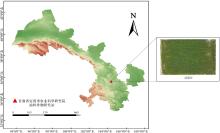
Fig. 1
Oil crops research station of Dingxi city academy of agricultural sciences, Gansu province
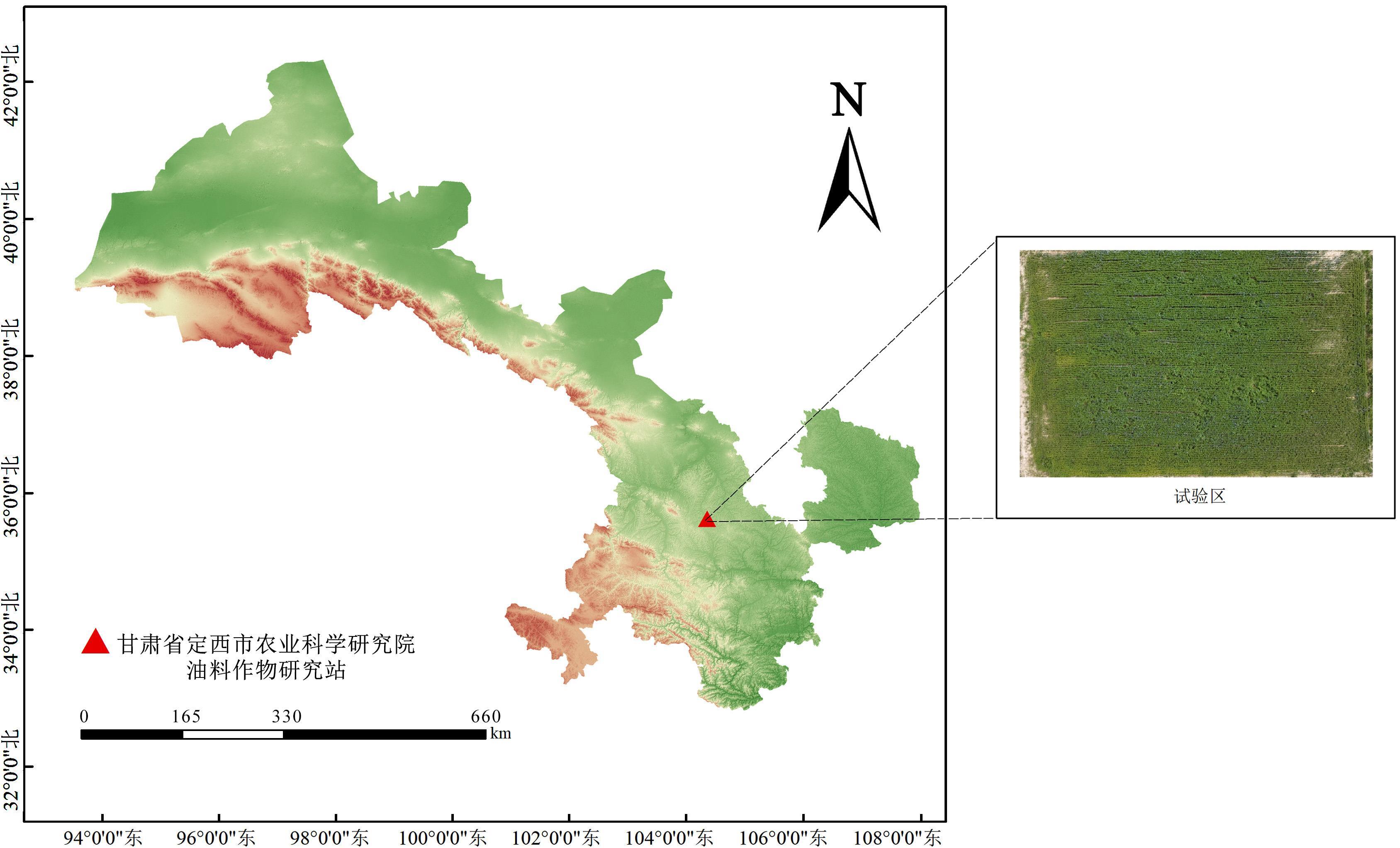
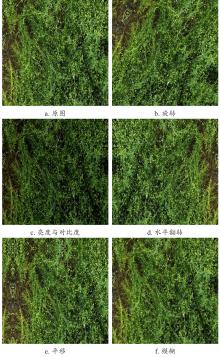
Fig. 2
Flax lodging data augmentation examples
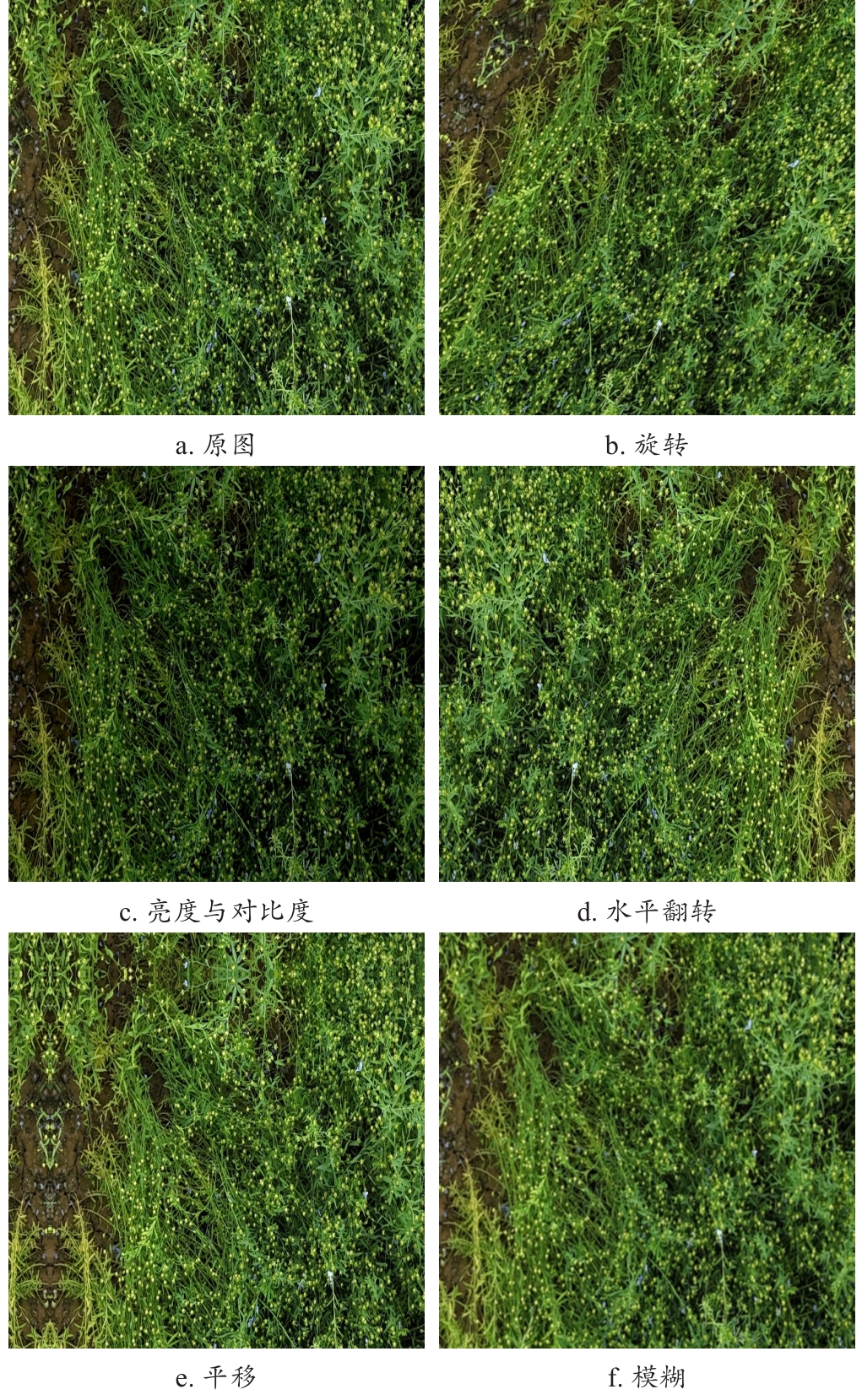
Table 1
Information of the flax lodging dataset
| 初始数据集 | 增强数据集 | |||
|---|---|---|---|---|
| 训练集 | 验证集 | 测试集 | 总计 | |
| 107 | 2 889 | 577 | 386 | 3 852 |
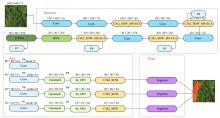
Fig. 3
Network structure of improved YOLOv11n-seg

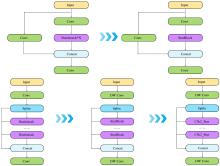
Fig. 4
Module structure of C3k2_SDW
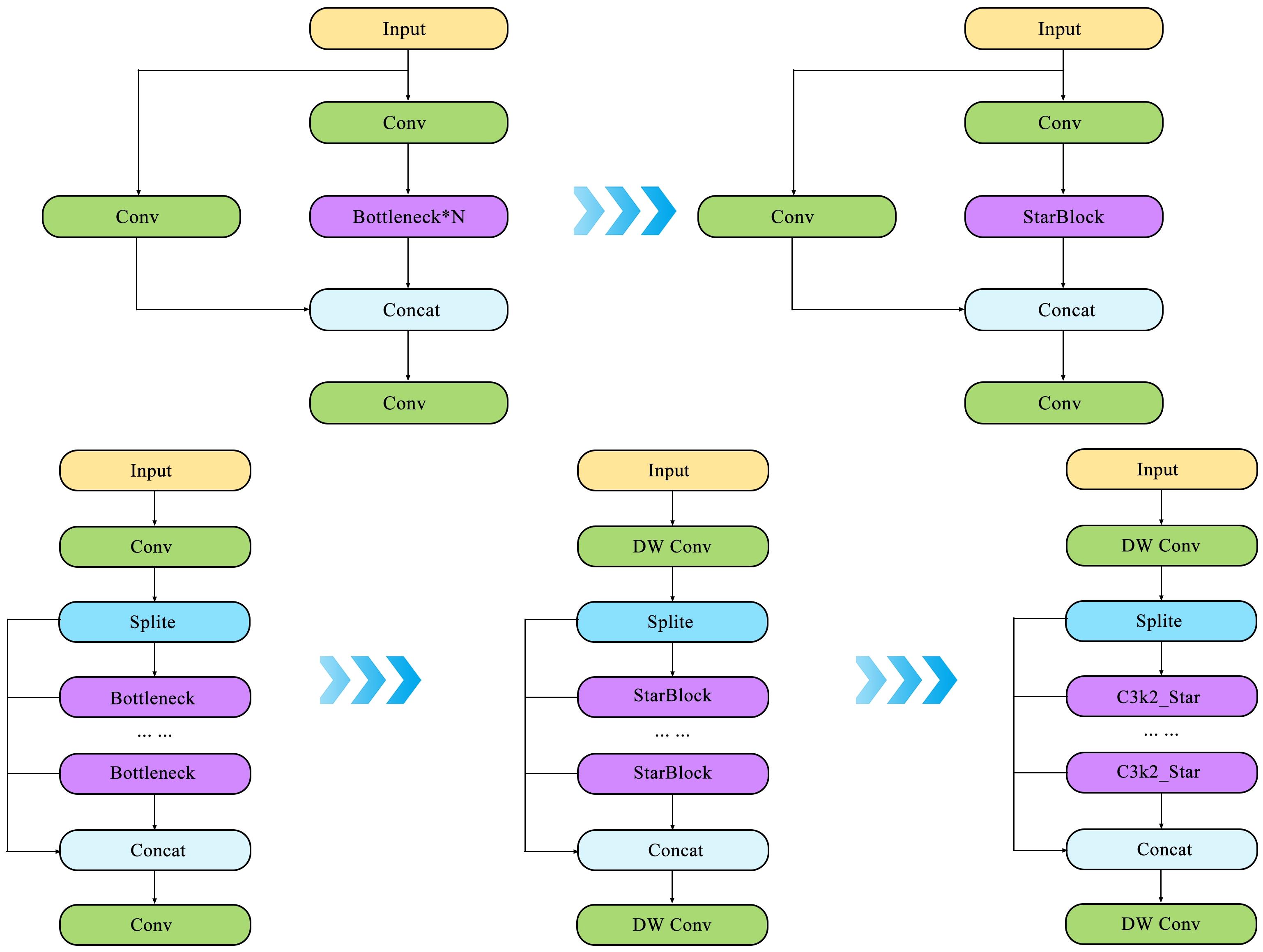
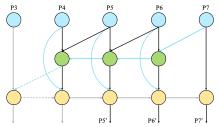
Fig. 5
Network structure of BiFPN
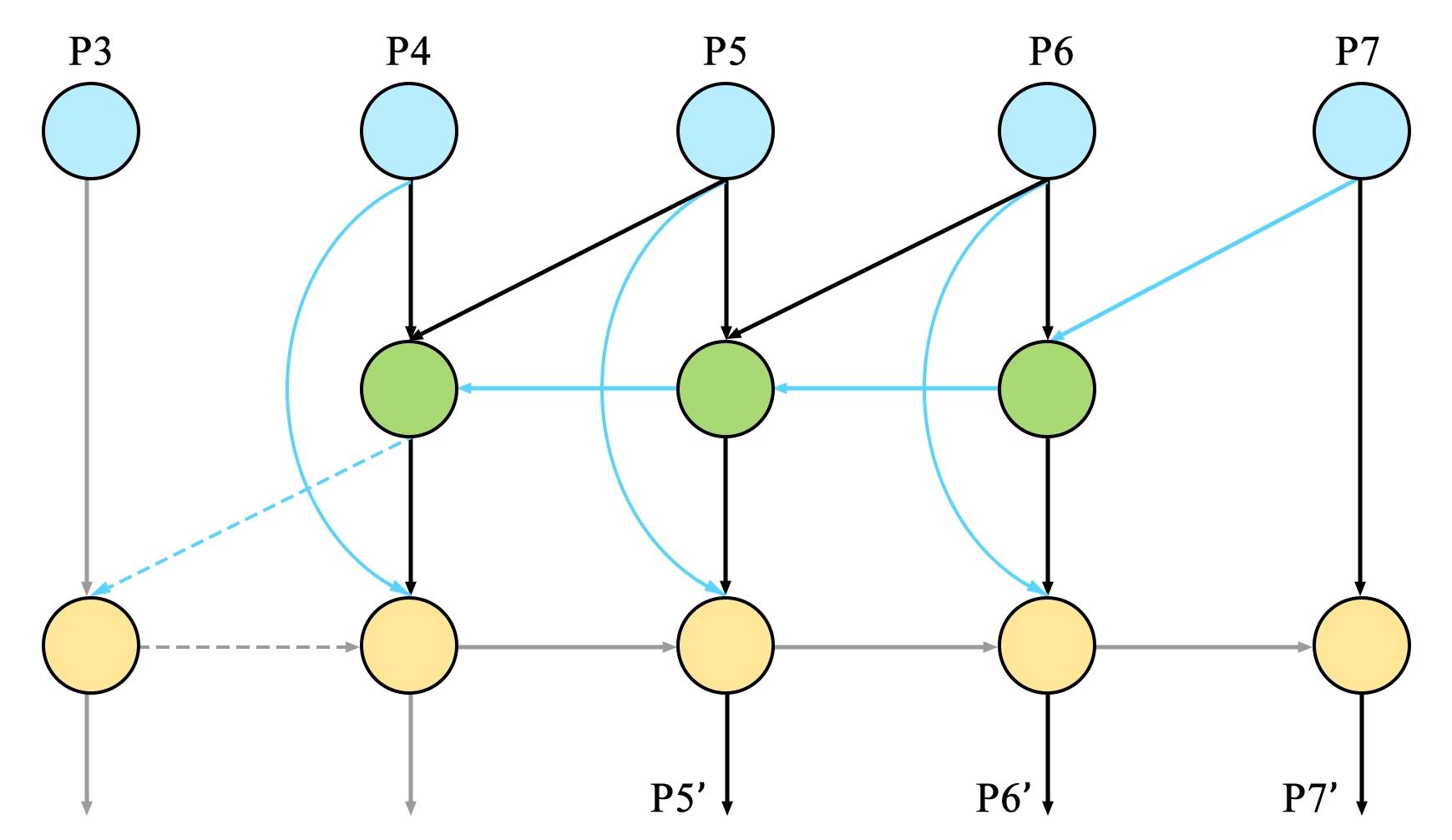
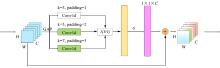
Fig. 6
Structure diagram of Multi-Scale ECA mechanism
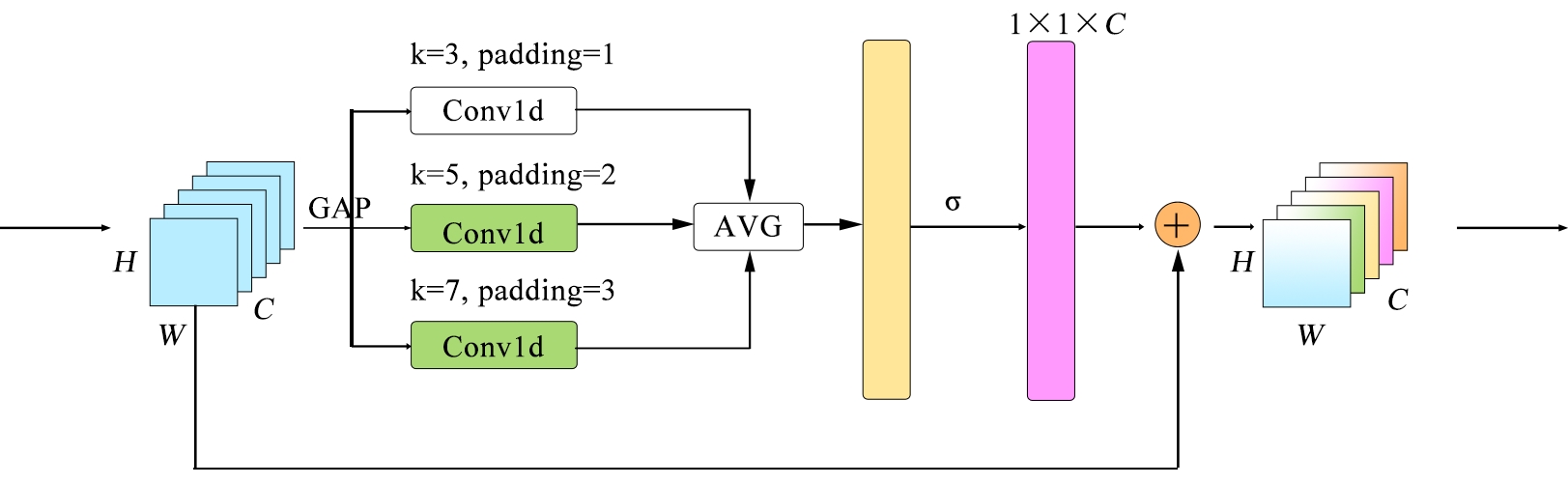
Table 2
Ablation experiment results of the improved model for flax lodging recognition
| 模型 | P/% | R/% | mAP@0.5/% | Boundary IoU | 参数量/M | 计算量/GFLOPs |
|---|---|---|---|---|---|---|
| Baseline | 88.9 | 86.2 | 93.1 | 80.3 | 2.83 | 10.2 |
| C3k2_SDW | 89.8 | 87.6 | 93.0 | 79.8 | 2.14 | 8.1 |
| C3k2_SDW+BiFPN | 90.1 | 91.5 | 93.8 | 81.0 | 1.68 | 7.7 |
| Improved model | 92.6 | 92.0 | 95.2 | 82.3 | 1.73 | 8.0 |
Table 3
Comparative experimental results of different models for flax lodging recognition
| 模型 | P/% | R/% | mAP@0.5/% | Boundary IoU | 参数量/M | 计算量/GFLOPs | 模型体积/MB | 推理速度/(帧/s) |
|---|---|---|---|---|---|---|---|---|
| YOLACT | 56.8 | 59.6 | 60.3 | 65.5 | 9.38 | 35.0 | 37.5 | 38.10 |
| YOLOv7-seg | 95.1 | 93.0 | 95.0 | 83.9 | 37.84 | 141.9 | 73.0 | 87.31 |
| YOLOv8n-seg | 92.2 | 87.2 | 93.4 | 78.5 | 3.26 | 12.0 | 6.8 | 111.18 |
| YOLOv11n-seg | 88.9 | 86.2 | 93.1 | 80.3 | 2.83 | 10.2 | 6.0 | 98.72 |
| Improved model | 92.6 | 92.0 | 95.2 | 82.3 | 1.73 | 8.0 | 3.8 | 119.20 |
Table 4
Comparative performance experimental results between the improved model and mainstream semantic segmentation models
| 模型 | Boundary IoU | 参数量/M | 计算量/GFLOPs | 推理速度/(帧/s) |
|---|---|---|---|---|
| U-Net | 77.2 | 24.90 | 44.1 | 68.93 |
| DeepLabv3+ | 83.9 | 54.40 | 53.0 | 50.00 |
| Improved model | 82.3 | 1.73 | 8.0 | 119.20 |
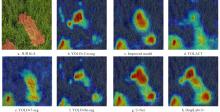
Fig. 7
Comparison of heatmap visualization effects among different models
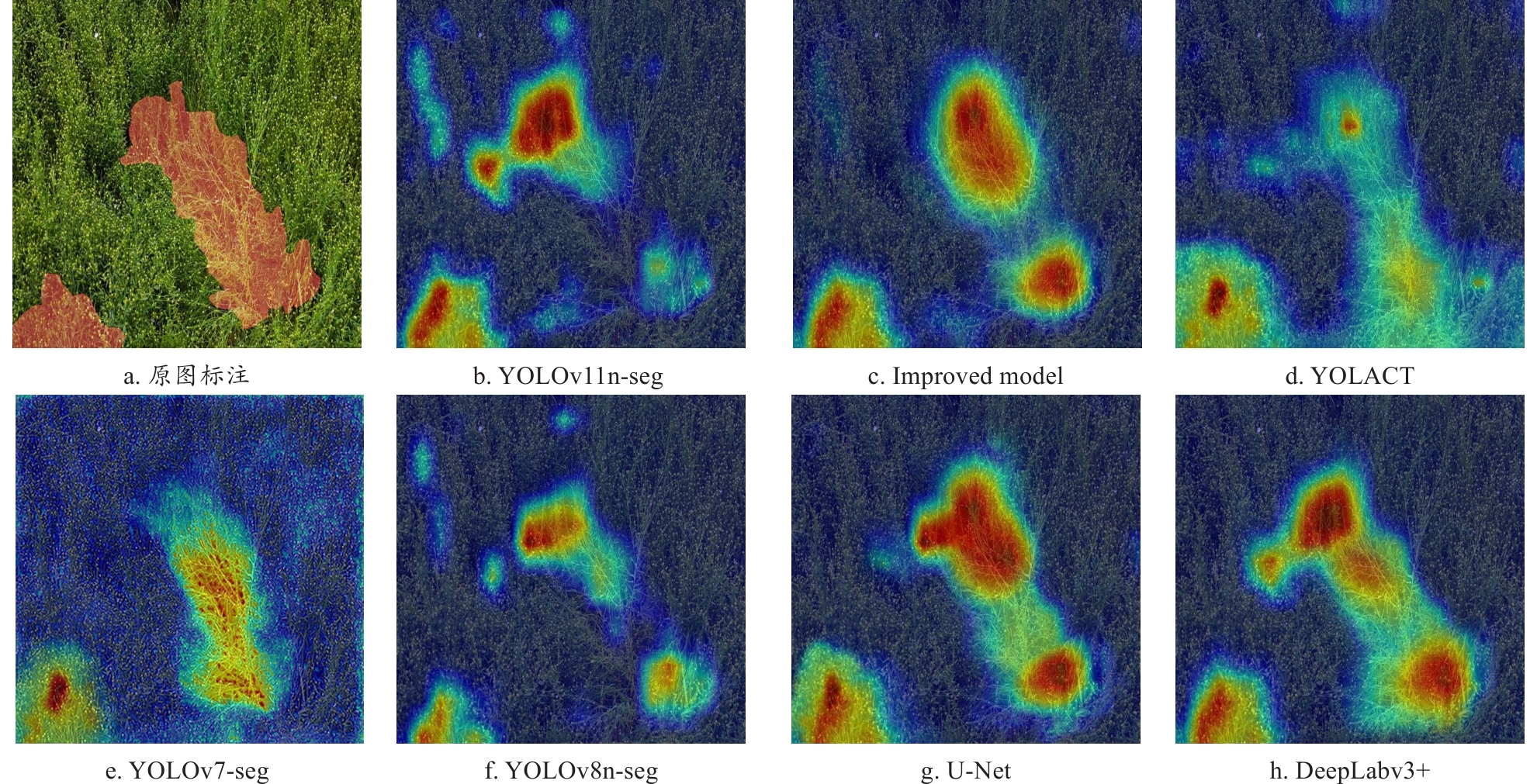
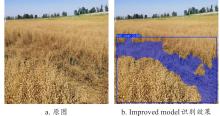
Fig. 8
Testing results of mature-stage flax lodging data in Huining county

Table 5
Classification criteria of flax lodging grades
| 倒伏等级 | 倒伏面积率对应倒伏程度 |
|---|---|
| 0级(未倒伏) | 未倒伏 |
| 1级(轻度倒伏) | 0%~<15% |
| 2级(中度倒伏) | 15%~<45% |
| 3级(重度倒伏) | 45%及以上 |
Table 6
Comparative experimental results of the improved model on different datasets
| 类别 | P/% | R/% | mAP@0.5/% | ||||||
|---|---|---|---|---|---|---|---|---|---|
| YOLOv11n-seg | Improved model | 提升/百分点 | YOLOv11n-seg | Improved model | 提升/百分点 | YOLOv11n-seg | Improved model | 提升/百分点 | |
| 全部 | 69.2 | 73.5 | 4.3 | 56.2 | 58.1 | 1.9 | 61.6 | 64.2 | 2.6 |
| 裸地 | 88.5 | 92.3 | 3.8 | 61.3 | 61.1 | -0.2 | 68.9 | 69.3 | 0.4 |
| 土壤 | 80.0 | 87.3 | 7.3 | 88.4 | 89.3 | 0.9 | 92.3 | 94.1 | 1.8 |
| 蚕豆 Vicia faba L. | 67.0 | 71.5 | 4.5 | 64.3 | 64.3 | 0.0 | 66.6 | 64.8 | -1.8 |
| 黑麦草 Lolium perenne L. | 83.1 | 86.9 | 3.8 | 82.9 | 84.1 | 1.2 | 89.6 | 91.0 | 1.4 |
| 红根苋 Amaranthus tricolor L. | 85.0 | 87.5 | 2.5 | 86.7 | 89.2 | 2.5 | 89.6 | 92.0 | 2.4 |
| 荞麦 Fagopyrum esculentum Moench. | 90.8 | 92.2 | 1.4 | 84.0 | 84.2 | 0.2 | 86.7 | 87.4 | 0.7 |
| 豌豆 Pisum sativum L. | 44.9 | 48.2 | 3.3 | 15.0 | 12.5 | -2.5 | 15.3 | 16.2 | 0.9 |
| 红指草 Digitaria sanguinalis (L.) Scop. | 77.8 | 75.6 | -2.2 | 38.8 | 50.0 | 11.2 | 49.2 | 55.4 | 6.2 |
| 野燕麦 Avena fatua L. | 68.1 | 73.5 | 5.4 | 53.8 | 55.4 | 1.6 | 59.7 | 63.6 | 3.9 |
| 矢车菊 Centaurea cyanus L. | 68.2 | 76.5 | 8.3 | 64.9 | 68.0 | 3.1 | 69.7 | 75.4 | 5.7 |
| 麦仙翁 Agrostemma githago L. | 88.8 | 86.3 | -2.5 | 82.6 | 78.3 | -4.3 | 88.2 | 84.9 | -3.3 |
| 玉米 Zea mays L. | 77.2 | 77.8 | 0.6 | 88.2 | 89.5 | 1.3 | 88.7 | 91.3 | 2.6 |
| 奶蓟 Silybum marianum (L.) Gaertn. | 68.2 | 72.0 | 3.8 | 34.9 | 41.1 | 6.2 | 41.7 | 53.0 | 11.3 |
| 玉米草 Setaria viridis | 14.9 | 13.8 | -1.1 | 10.5 | 5.36 | -5.2 | 12.0 | 10.4 | -1.6 |
| 大豆 Glycine max (L.) Merr. | 59.6 | 67.9 | 8.3 | 72.8 | 84.7 | 11.9 | 77.6 | 85.4 | 7.8 |
| 向日葵 Helianthus annuus L. | 61.3 | 84.8 | 23.5 | 12.8 | 14.4 | 1.6 | 23.0 | 30.5 | 7.5 |
| 车前草 Plantago lanceolata L. | 44.0 | 46.6 | 2.6 | 14.1 | 17.1 | 3.0 | 24.6 | 25.0 | 0.4 |
| 小花天竺葵 Geranium pusillum L. | 78.5 | 81.8 | 3.3 | 55.0 | 58.2 | 3.2 | 64.5 | 66.6 | 2.1 |
| [1] |
邓欣, 陈信波, 邱财生, 等. 我国亚麻种质资源研究与利用概述[J]. 中国麻业科学, 2015, 37(6): 322-329.
|
|
|
|
| [2] |
|
| [3] |
王炜, 陈军, 叶春雷, 等. 甘肃胡麻地方及育成品种农艺性状分析及评价[J]. 中国种业, 2022(12): 75-81.
|
|
|
|
| [4] |
张瑞兰, 武万里, 王淑丽, 等. 气候变化条件下宁南山区旱地胡麻土壤水分变化特征及对发育期和产量的影响[J]. 农业与技术, 2022, 42(21): 69-72.
|
|
|
|
| [5] |
刘玄, 董宏伟, 高玉红, 等. 不同供钾水平下胡麻木质素代谢及其抗倒伏特性研究[J]. 中国生态农业学报(中英文), 2021, 29(5): 821-832.
|
|
|
|
| [6] |
张明. 胡麻生育时期界定标准探讨[J]. 甘肃农业科技, 2018(3): 9-14.
|
|
|
|
| [7] |
李政升, 麻丽娟, 董宏伟, 等. 钾肥用量对不同品种旱地胡麻抗倒伏能力及产量的影响[J]. 中国农学通报, 2021, 37(23): 69-76.
|
|
|
|
| [8] |
|
| [9] |
梁美静, 毛克彪, 郭中华, 等. 深度学习在农业领域的研究与应用[J]. 农业工程, 2024, 14(1): 30-36.
|
|
|
|
| [10] |
|
| [11] |
|
| [12] |
|
| [13] |
张淦, 严海峰, 胡根生, 等. 基于深度学习语义分割和迁移学习策略的麦田倒伏面积识别方法[J]. 智慧农业(中英文), 2023, 5(3): 75-85.
|
|
|
|
| [14] |
龙佳宁, 张昭, 刘晓航, 等. 利用改进EfficientNetV2和无人机图像检测小麦倒伏类型[J]. 智慧农业(中英文), 2023, 5(3): 62-74.
|
|
|
|
| [15] |
杨蜀秦, 王鹏飞, 王帅, 等. 基于MHSA+DeepLab v3+的无人机遥感影像小麦倒伏检测[J]. 农业机械学报, 2022, 53(8): 213-219, 239.
|
|
|
|
| [16] |
翟肇裕, 张梓涵, 徐焕良, 等. YOLO算法在动植物表型研究中应用综述[J]. 农业机械学报, 2024, 55(11): 1-20.
|
|
|
|
| [17] |
|
| [18] |
|
| [19] |
|
| [20] |
张姝瑾, 许兴时, 邓洪兴, 等. 基于YOLOv8n-seg-FCA-BiFPN的奶牛身体分割方法[J]. 农业机械学报, 2024, 55(3): 282-289, 391.
|
|
|
|
| [21] |
|
| [22] |
|
| [23] |
|
| [24] |
|
| [25] |
WOO S,
|
| [26] |
任长忠, 杨才. 中国燕麦品种志[M]. 北京: 中国农业出版社, 2018: 23.
|
| [27] |
高珍妮, 郭丽琢, 李丽, 等. 氮肥对胡麻茎秆木质素合成酶活性及其抗倒性的影响[J]. 中国油料作物学报, 2014, 36(5): 610-615.
|
|
|
|
| [28] |
|
| [1] | WU Chenxu, ZUO Haolong, LI Gang. Cross-Modal Attention for Multi-Source Remote Sensing Crop Classification under Cloud Occlusion and Complex Field Scenarios [J]. Smart Agriculture, 2026, 8(2): 118-132. |
| [2] | ZHAO Licheng, LU Xinyu, WU Qian, REN Ni, ZHOU Lingli, CHENG Yawen, HU Anqi, QI Chao. An Improved YOLOv10-Based Tomato Ripeness Detection Algorithm with LAMP Channel Pruning [J]. Smart Agriculture, 2026, 8(2): 133-146. |
| [3] | HUANG Xianguo, ZHU Qibing, HUANG Min. Online Detection System for Freshness of Fruits and Vegetables Based on Temporal Multi-source Information Fusion [J]. Smart Agriculture, 2026, 8(1): 203-212. |
| [4] | HU Yumeng, GUAN Feifan, XIE Dongchen, MA Ping, YU Youben, ZHOU Jie, NIE Yanming, HUANG Lüwen. Tea Leaf Disease Diagnosis Based on Improved Lightweight U-Net3+ [J]. Smart Agriculture, 2026, 8(1): 15-27. |
| [5] | CAI Yuqin, LIU Daming, XU Qin, LI Boyang, LIU Bojie. Greenhouse Temperature and Humidity Prediction Method Based on Adaptive Kalman Filter and GWO-LSTM-Attention [J]. Smart Agriculture, 2026, 8(1): 148-155. |
| [6] | YAO Xiaotong, QU Shaoye. Lightweight Detection Method for Pepper Leaf Diseases and Pests Based on Improved YOLOv12s [J]. Smart Agriculture, 2026, 8(1): 1-14. |
| [7] | LIU Yiheng, LIU Libo. Beef Cattle Object Detection Method Under Occlusion Environment Based on Improved YOLOv12 [J]. Smart Agriculture, 2025, 7(5): 182-192. |
| [8] | WANG Yi, XUE Rong, HAN Wenting, SHAO Guomin, HOU Yanqiao, CUI Xitong. Estimation of Maize Aboveground Biomass Based on CNN-LSTM-SA [J]. Smart Agriculture, 2025, 7(4): 159-173. |
| [9] | PENG Qiujun, LI Weiran, LIU Yeqiang, LI Zhenbo. High-Precision Fish Pose Estimation Method Based on Improved HRNet [J]. Smart Agriculture, 2025, 7(3): 160-172. |
| [10] | LI Zusheng, TANG Jishen, KUANG Yingchun. A Lightweight Model for Detecting Small Targets of Litchi Pests Based on Improved YOLOv10n [J]. Smart Agriculture, 2025, 7(2): 146-159. |
| [11] | NIU Ziang, QIU Zhengjun. Extraction Method of Maize Plant Skeleton and Phenotypic Parameters Based on Improved YOLOv11-Pose [J]. Smart Agriculture, 2025, 7(2): 95-105. |
| [12] | WU Liuai, XU Xueke. Lightweight Tomato Leaf Disease and Pest Detection Method Based on Improved YOLOv10n [J]. Smart Agriculture, 2025, 7(1): 146-155. |
| [13] | QUAN Jialu, CHEN Wenbai, WANG Yiqun, CHENG Jiajing, LIU Yilong. Research on Agricultural Drought Prediction Based on GCN-BiGRU-STMHSA [J]. Smart Agriculture, 2025, 7(1): 156-164. |
| [14] | QI Zijun, NIU Dangdang, WU Huarui, ZHANG Lilin, WANG Lunfeng, ZHANG Hongming. Chinese Kiwifruit Text Named Entity Recognition Method Based on Dual-Dimensional Information and Pruning [J]. Smart Agriculture, 2025, 7(1): 44-56. |
| [15] | LU Bibo, LIANG Di, YANG Jie, SONG Aiqing, HUANGFU Shangwei. Image Segmentation Method of Chinese Yam Leaves in Complex Background Based on Improved ENet [J]. Smart Agriculture, 2024, 6(6): 109-120. |
| Viewed | ||||||
|
Full text |
|
|||||
|
Abstract |
|
|||||