Smart Agriculture ›› 2026, Vol. 8 ›› Issue (3): 51-66.doi: 10.12133/j.smartag.SA202601001
• 专刊--数字技术赋能与农业经济范式转型 • 上一篇 下一篇
易红梅1, 何煦1, 智华勇1, 黄季焜1( ), 陈曦2
收稿日期:2025-12-31
出版日期:2026-05-30
作者简介:易红梅,博士,教授,研究方向为农业经济学、数字技术、农村人力资本。E-mail:hmyi.ccap@pku.edu.cn
通信作者:
YI Hongmei1, HE Xu1, ZHI Huayong1, HUANG Jikun1(), CHEN Xi2
Received:2025-12-31
Online:2026-05-30
Foundation items:Project of Peking University Institute of Advanced Agricultural Sciences (Weifang, Shandong)
About author:YI Hongmei, E-mail: hmyi.ccap@pku.edu.cn
Corresponding author:摘要:
【目的/意义】 评估涉农数智技术在中国农业农村微观生产主体中的采纳现状,识别涉农数智技术应用在农业农村未来发展中面临的主要挑战。 【方法】 基于两套具有代表性的农户调查数据,首先使用描述性统计方法刻画了各类涉农数智技术在中国农业农村的采纳情况;进一步结合文献综述,梳理了技术采纳的潜在影响及其作用机制,并进一步联系理论与实践,分析了这些数智技术在普及过程中面临的挑战及其成因。 【结果和讨论】 研究表明,非嵌入式数智技术在农业中的应用总体呈现“重生活、轻生产”的特征。农业主要决策者智能手机使用率已达76%,但其主要用于社交与娱乐(如微信、抖音、快手),在农业生产、销售及政策信息获取中的应用明显不足;约三分之二的受访者未关注农业类公众号,78%的受访者表示较少通过智能手机获取农业政策信息。在电商与数字金融领域,农户“消费端参与较多、生产端应用不足”的特征同样突出:2023年约52%的农户有网购行为,但通过网络销售农产品的比例仅为0.32%,开展网络贷款的农户占比亦不足2%。与之形成对比的是,嵌入式数智技术在农业生产中的扩散相对较快。以无人机和北斗导航为代表的技术已在关键生产环节中得到应用:2023年约8%的农户在植保环节使用无人机,粮食主产区无人机植保作业覆盖耕地面积占比达39.3%,且主要依托社会化服务体系实现;配备北斗导航的农机占比按农户数量与耕地面积加权分别达到8%和12.5%。进一步分析表明,非嵌入式数智技术应用不足,主要受制于农户认知与数字素养约束、基础设施条件及政策支持不足;而嵌入式技术的加速扩散,则与其成本下降、社会化服务组织发展以及行业标准逐步完善密切相关。 【结论】 总体来看,中国农业农村数智化转型正在起步阶段。推动农业农村数智化转型,需积极提升农户数字素养、培育高人力资本水平的新型农业经营主体,继续推动农业适度规模化发展,培育社会化服务主体,加强服务供给能力,从而实现更广泛、更有效的数智技术普及与农业现代化提升。
中图分类号:
易红梅, 何煦, 智华勇, 黄季焜, 陈曦. 涉农数智技术采纳现状与现实挑战:基于两套具有代表性农户调查的研究[J]. 智慧农业(中英文), 2026, 8(3): 51-66.
YI Hongmei, HE Xu, ZHI Huayong, HUANG Jikun, CHEN Xi. Adoption and Challenges of Digital and Intelligent Technologies in Agriculture: Evidence from Two Representative Household Surveys[J]. Smart Agriculture, 2026, 8(3): 51-66.
表 1
九省调查样本量及户权重
| 区域 | 省份 | 县(市)/个 | 乡(镇)/个 | 村/个 | 农户/个 | 户权重 |
|---|---|---|---|---|---|---|
| 合计 | 57 | 136 | 288 | 3 080 | — | |
| 东北 | 辽宁 | 5 | 10 | 10 | 200 | 1/1 800 |
| 华北 | 河北 | 5 | 10 | 10 | 200 | 1/1 800 |
| 山东 | 10 | 30 | 60 | 600 | 1/5 400 | |
| 华东 | 浙江 | 5 | 10 | 20 | 200 | 1/1 800 |
| 华中 | 湖北 | 5 | 10 | 20 | 200 | 1/1 800 |
| 江西 | 12 | 36 | 108 | 1 080 | 1/9 720 | |
| 华南 | 广东 | 5 | 10 | 20 | 200 | 1/1 800 |
| 西南 | 四川 | 5 | 10 | 20 | 200 | 1/1 800 |
| 西北 | 陕西 | 5 | 10 | 20 | 200 | 1/1 800 |
表 2
主要农业决策者的性别、年龄和受教育水平
| 特征 | 东北 | 华北 | 华东 | 华中 | 华南 | 西南 | 西北 | 合计 |
|---|---|---|---|---|---|---|---|---|
| 男性占比/% | 85 | 84 | 86 | 82 | 78 | 61 | 86 | 81 |
| 年龄/岁 | 63.43 | 61.28 | 67.22 | 63.15 | 62.58 | 59.36 | 60.42 | 62.25 |
| 受教育水平/年 | 8.60 | 7.84 | 6.51 | 7.47 | 7.47 | 7.10 | 8.37 | 7.65 |
| 样本数量 | 120 | 662 | 92 | 921 | 144 | 165 | 187 | 2 291 |
表 3
农业主要决策者的性别差异
| 特征 | 女 | 男 | P值 |
|---|---|---|---|
| 年龄/岁 | 59.73 | 62.82 | 0.001 |
| (10.20) | (10.01) | ||
| 受教育水平/年 | 6.82 | 7.81 | 0.001 |
| (5.97) | (4.24) | ||
| 样本数量 | 425 | 1 866 |
表 4
农业主要决策者使用智能手机的比例 ( %)
| 区域 | 合计 | 男 | 女 |
|---|---|---|---|
| 东北 | 80.8 | 78.4 | 94.4 |
| 华北 | 77.0 | 77.8 | 73.7 |
| 华东 | 55.4 | 58.2 | 38.5 |
| 华中 | 72.6 | 74.2 | 69.8 |
| 华南 | 75.7 | 72.3 | 87.5 |
| 西南 | 82.4 | 80.2 | 85.9 |
| 西北 | 82.9 | 84.4 | 74.1 |
| 全样本合计 | 76.3 | 76.3 | 76.6 |
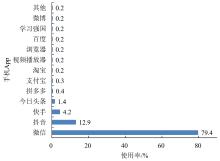
图1
农业主要决策者智能手机上常用的App分布
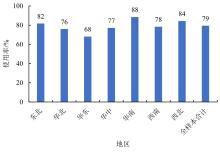
图2
各区域农业主要决策者中常用App为微信的比例
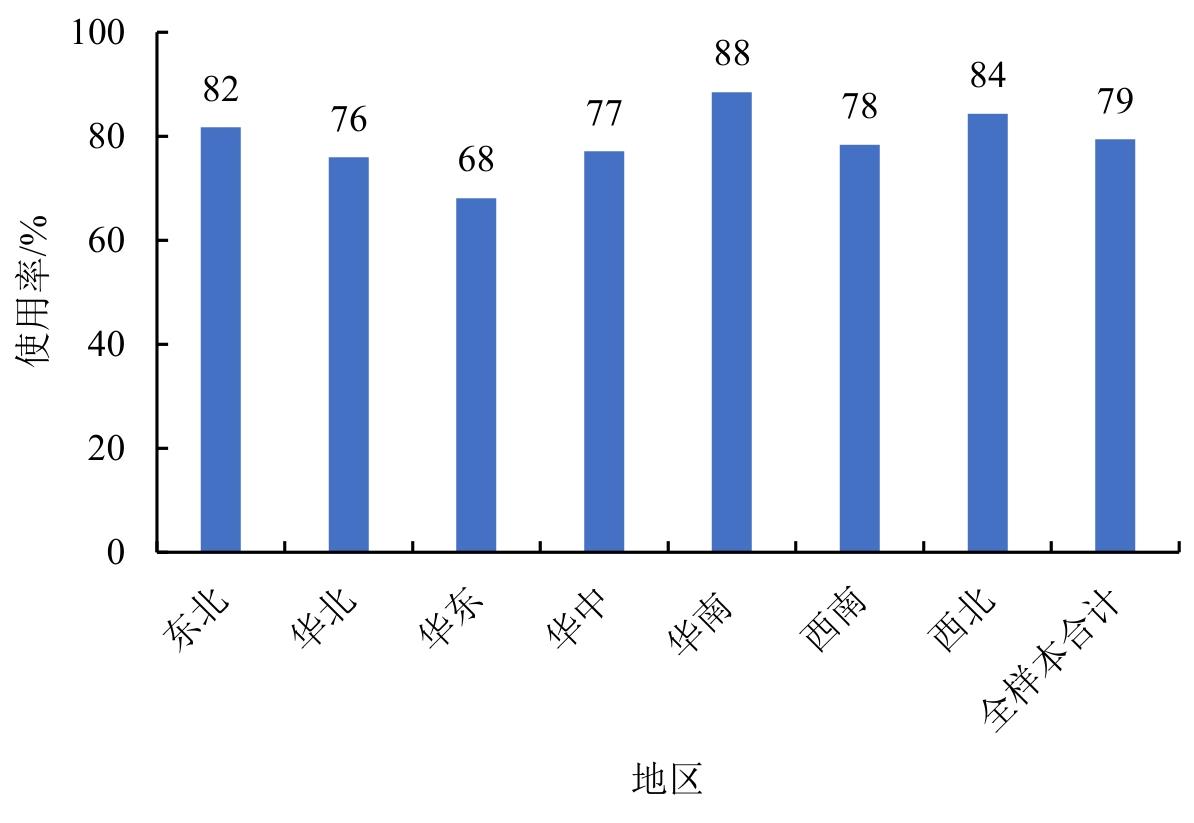
表5
各区域农业主要决策者使用微信的频率 ( %)
| 区域 | 基本不用 | 偶尔使用 | 经常使用或每天都使用 | 合计 |
|---|---|---|---|---|
| 东北 | 1.2 | 19.3 | 79.5 | 100 |
| 华北 | 3.2 | 12.4 | 84.4 | 100 |
| 华东 | 4.9 | 19.5 | 75.6 | 100 |
| 华中 | 1.7 | 15.0 | 83.3 | 100 |
| 华南 | 5.0 | 11.0 | 84.0 | 100 |
| 西南 | 3.2 | 10.2 | 86.6 | 100 |
| 西北 | 1.3 | 3.4 | 95.3 | 100 |
| 全样本合计 | 2.6 | 11.9 | 85.5 | 100 |
图3
各区域使用微信的农业主要决策者中使用朋友圈和关注朋友圈中销售信息的比例
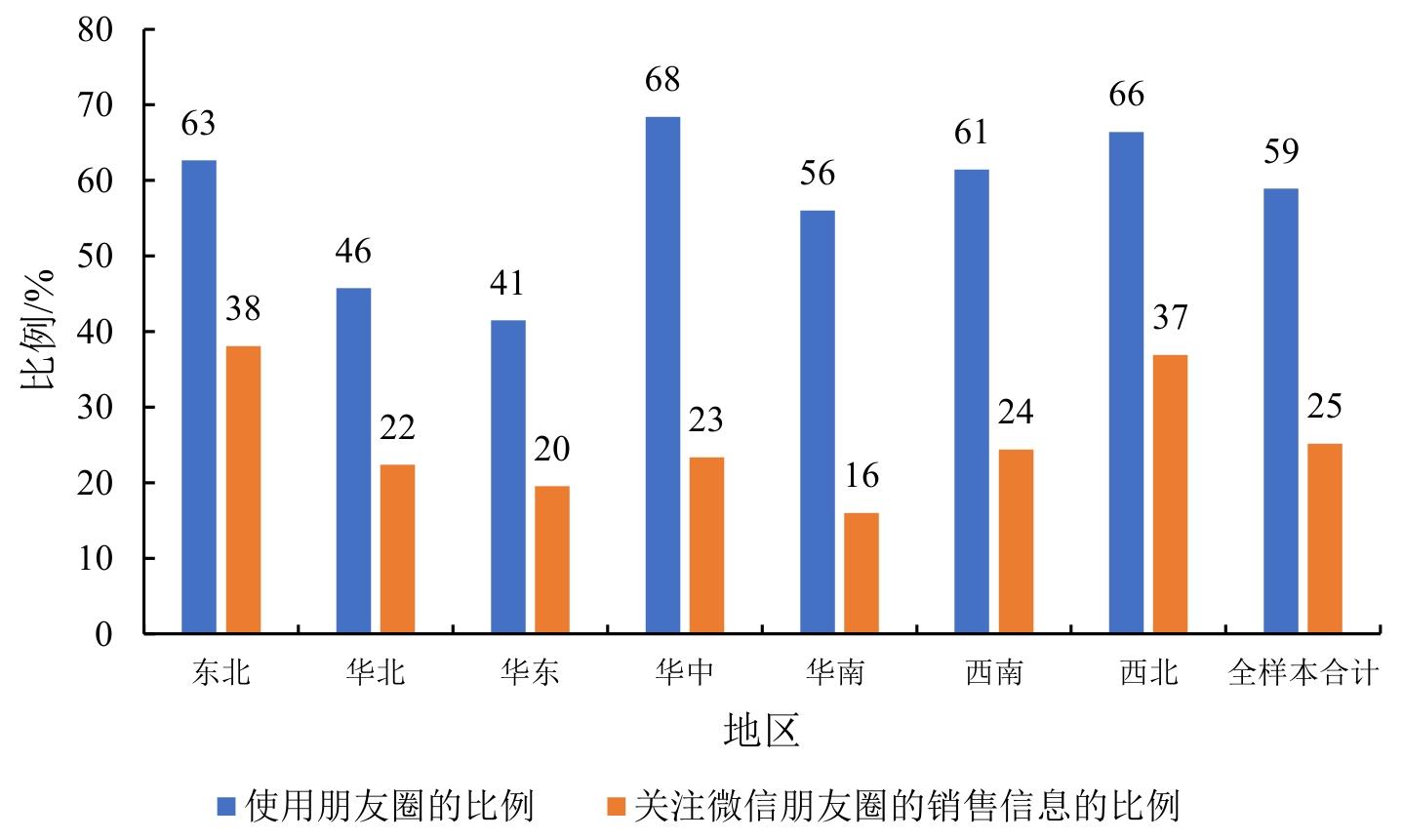
表6
各区域使用微信的农业主要决策者关注农业公众号的比例 ( %)
| 区域 | 基本不用 | 偶尔使用 | 经常使用 或每天都在使用 | 合计 |
|---|---|---|---|---|
| 东北 | 50.6 | 33.7 | 15.7 | 100 |
| 华北 | 64.6 | 23.2 | 12.2 | 100 |
| 华东 | 68.3 | 17.1 | 14.6 | 100 |
| 华中 | 67.7 | 21.5 | 10.8 | 100 |
| 华南 | 75.0 | 17.0 | 8.0 | 100 |
| 西南 | 77.0 | 15.8 | 7.2 | 100 |
| 西北 | 58.4 | 23.5 | 18.1 | 100 |
| 全样本合计 | 66.1 | 21.7 | 12.2 | 100 |
表7
各区域农业主要决策者用手机关注农业政策的比例 ( %)
| 区域 | 基本不用 | 偶尔使用 | 经常使用 或每天都在使用 | 合计 |
|---|---|---|---|---|
| 东北 | 38.5 | 35.4 | 26.1 | 100 |
| 华北 | 53.7 | 26.7 | 19.6 | 100 |
| 华东 | 58.9 | 19.6 | 21.5 | 100 |
| 华中 | 56.0 | 28.5 | 15.5 | 100 |
| 华南 | 59.6 | 18.4 | 22.0 | 100 |
| 西南 | 58.8 | 28.7 | 12.5 | 100 |
| 西北 | 30.3 | 31.0 | 38.7 | 100 |
| 全样本合计 | 50.7 | 27.4 | 21.9 | 100 |
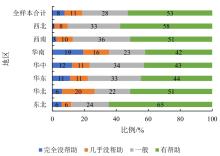
图4
各区域农业主要决策者对“用手机查看农业信息对农业生产是否有帮助”的看法
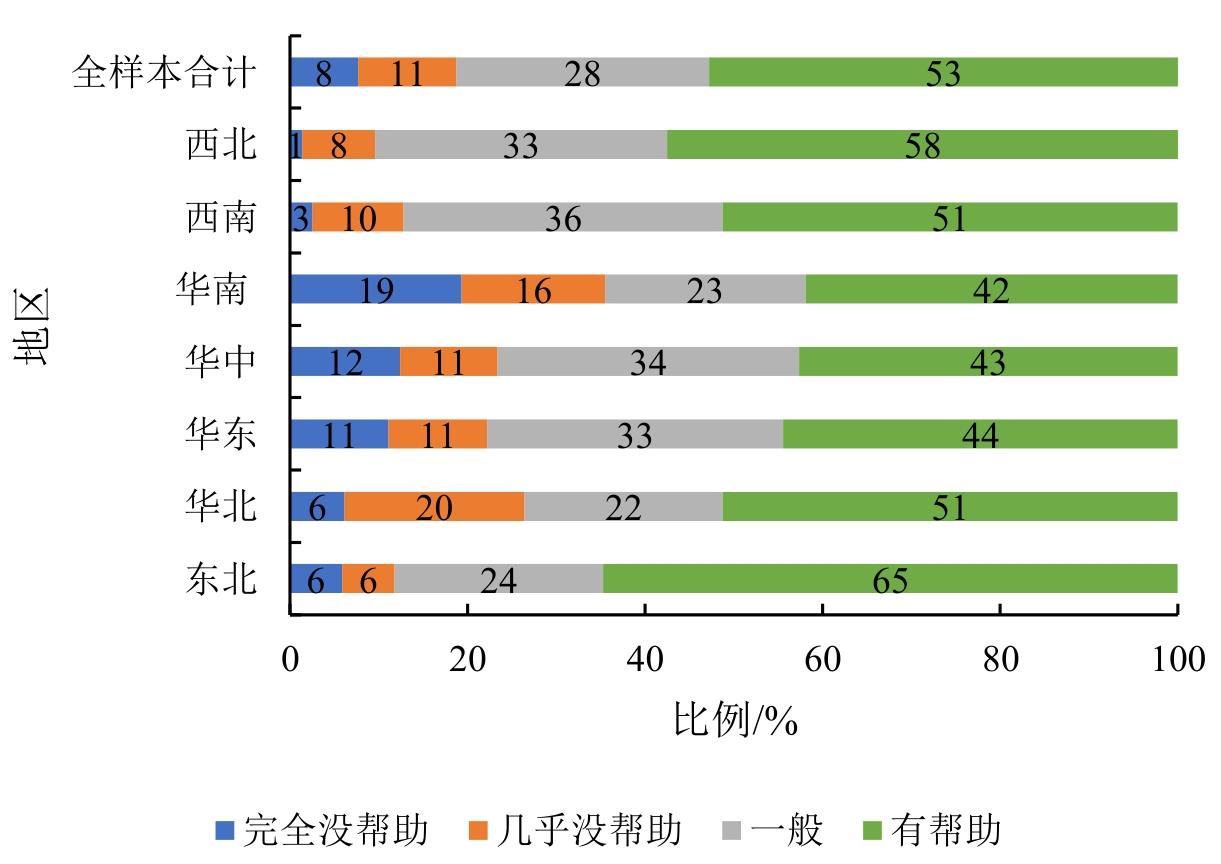
表 8
2023年样本农户电商参与与网络贷款情况
| 区域 | 2023年进行过网购的农户占比/% | 2023年有网络销售活动的农户/% | 知道可以通过网络进行贷款的农户占比/% | 2022—2023年通过网络贷过款的农户占比/% | 其中1,2022—2023年网贷农户的网贷数量/笔 | 其中2,2022—2023年通过网络分期付款的网贷农户占比/% | |
|---|---|---|---|---|---|---|---|
| 农产品 | 其他商品 | ||||||
| 东北 | 40.0 | 0.5 | 0.0 | 29.5 | 2.0 | 1.0 | 5.0 |
| 华北 | 43.5 | 0.2 | 0.6 | 27.7 | 2.0 | 1.1 | 8.0 |
| 华东 | 50.5 | 0.0 | 0.0 | 13.0 | 2.0 | 2.0 | 7.0 |
| 华中 | 57.9 | 0.3 | 0.1 | 21.1 | 2.0 | 1.4 | 13.0 |
| 华南 | 51.5 | 1.5 | 0.0 | 23.8 | 1.9 | 1.7 | 14.0 |
| 西南 | 57.0 | 0.0 | 0.0 | 29.5 | 2.0 | 1.0 | 9.5 |
| 西北 | 66.3 | 0.0 | 0 | 49.5 | 1.9 | 1.8 | 15.0 |
| 全样本合计 | 52.0 | 0.3 | 0.2 | 27.0 | 2.0 | 1.5 | 10.0 |
图5
不同网贷渠道占所有网贷批次的比例
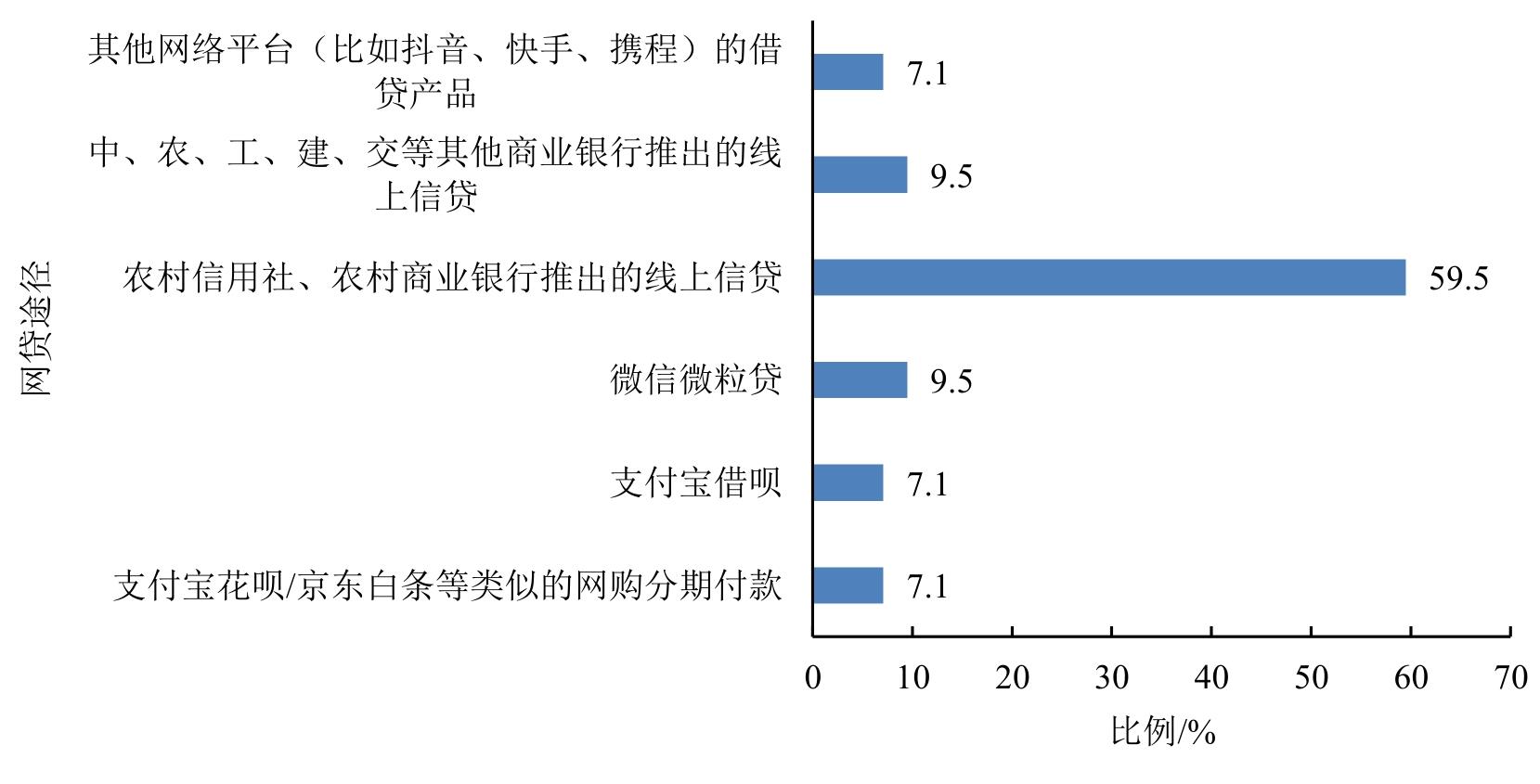
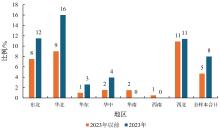
图6
各区域使用无人机进行植保作业的农户比例
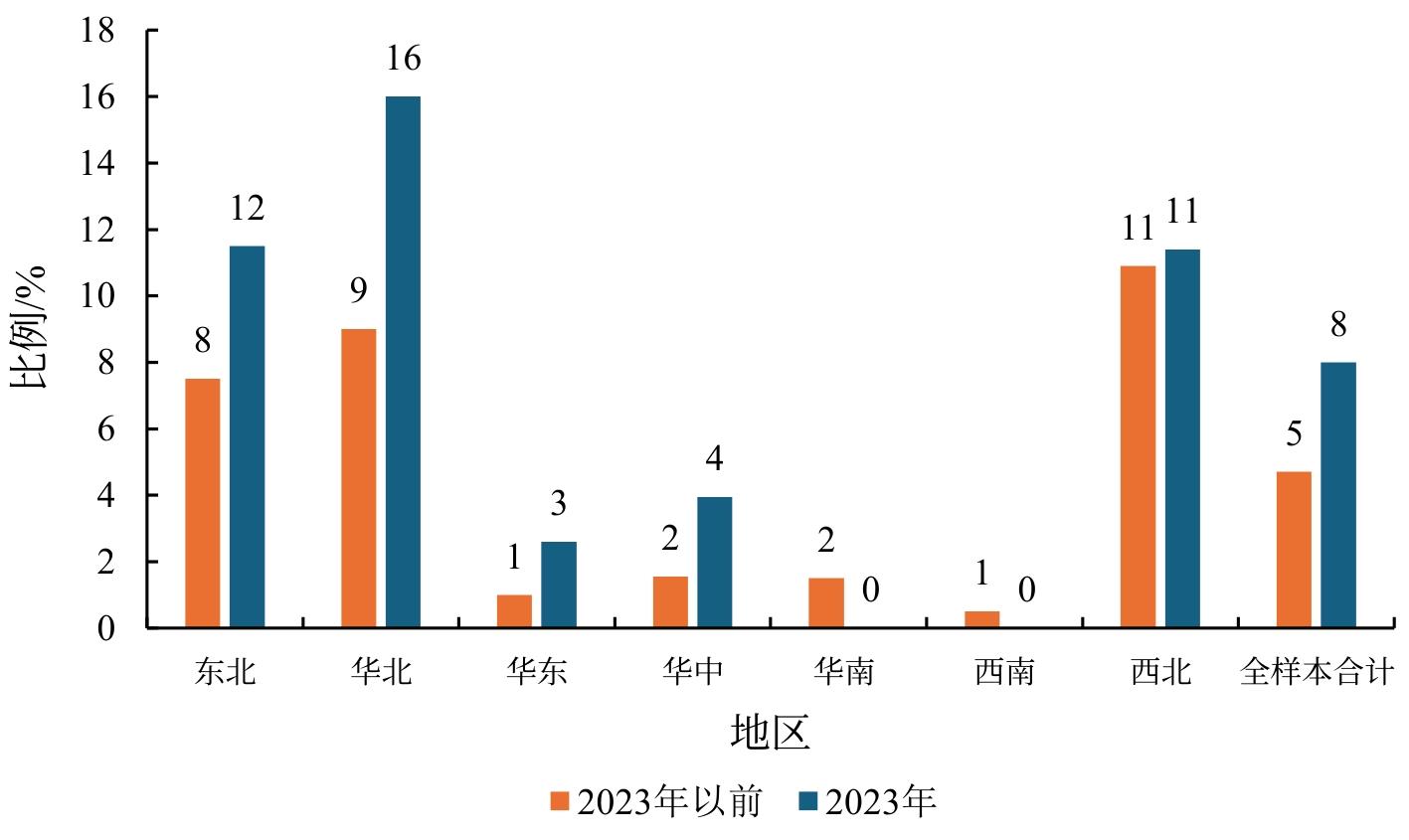
图7
各区域2023年使用无人机进行除草、施肥和播种作业的农户比例
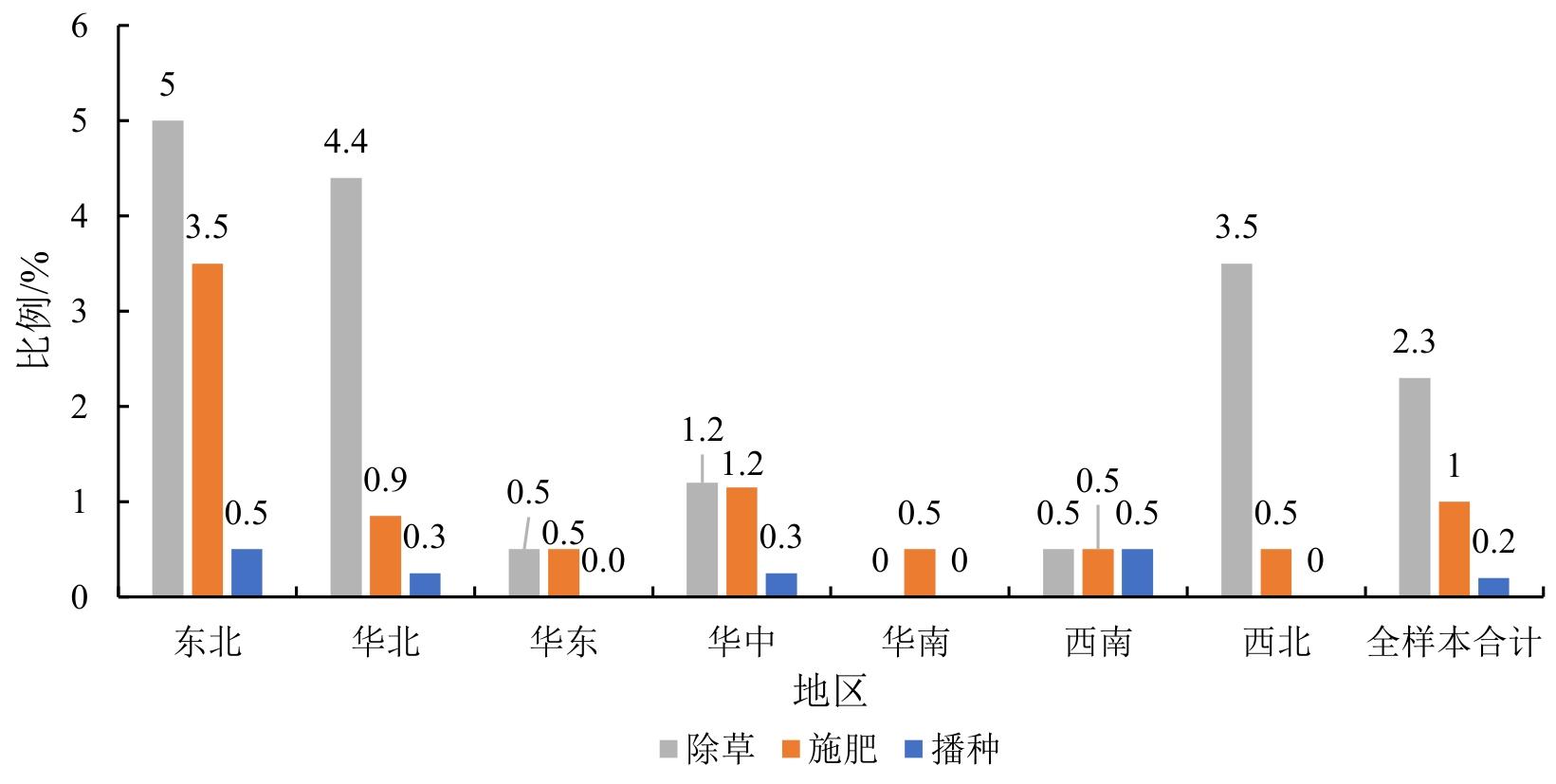
表9
粮食主产区样本中无人机的应用现状
| 无人机使用途径 | 大规模户/% | 小规模户/% | 全样本 (未加权)/% | 全样本 (按照户数占比加权)/% | 全样本 (按面积占比加权)/% |
|---|---|---|---|---|---|
| 自家是否有植保无人机 | 5 | 0 | 2.5 | 0.3 | 3.9 |
| (22) | (0) | ||||
| 使用植保无人机社会化服务 | 42 | 12 | 26 | 13.6 | 35.4 |
| (49) | (32) | ||||
| 样本数量 | 320 | 328 | 648 | 648 | 648 |
表10
粮食主产区样本中北斗导航技术的应用现状
| 北斗导航技术的使用途径 | 大规模户/% | 小规模户/% | 全样本(未加权)/% | 全样本(按照户数占比加权)/% | 全样本(按面积占比加权)/% |
|---|---|---|---|---|---|
| 自家是否有农机 | 82 | 41 | 61.5 | 43.2 | 73.0 |
| (39) | (0.49) | ||||
| 自家农机是否装北斗导航(仅限自家有农机的户) | 16 | 0 | 0.08 | 0.8 | 12.5 |
| (37) | (0) | ||||
| 耕种收环节是否使用农机社会化服务 | 76 | 79 | 77.5 | 78.8 | 76.7 |
| (43) | (41) | ||||
| 耕地环节使用的社会化服务提供的农机是否装北斗导航 | 33 | 18 | 25.5 | 18.8 | 29.7 |
| (47) | (39) | ||||
| 播种环节使用的社会化服务提供的农机是否装北斗导航 | 30 | 17 | 22.4 | 17.7 | 19.9 |
| (46) | (38) | ||||
| 收获环节使用的社会化服务提供的农机是否装北斗导航 | 27 | 26 | 26.5 | 26.1 | 26.8 |
| (44) | (44) | ||||
| 样本数量 | 320 | 328 | 648 | 648 | 648 |
| [1] |
|
| [2] |
周亚虹, 邱子迅, 姜帅帅, 等. 数字经济发展与农村共同富裕: 电子商务与数字金融协同视角[J]. 经济研究, 2024, 59(7): 54-71.
|
|
|
|
| [3] |
阮荣平, 周佩, 郑风田. “互联网+”背景下的新型农业经营主体信息化发展状况及对策建议——基于全国1 394个新型农业经营主体调查数据[J]. 管理世界, 2017(7): 50-64.
|
| [4] |
胡雯, 黄季焜, 陈富桥, 等. 基于区块链技术的农产品质量安全追溯体系: 实践、挑战与建议[J]. 农业经济问题, 2024(5): 33-47.
|
|
|
|
| [5] |
|
| [6] |
李家辉, 李晗, 牛永泽, 等. 2025. 精准农业技术对农户生产效率和家庭收入的协同影响及机制[J]. 资源科学, 2025, 47(11): 2466-2479.
|
|
|
|
| [7] |
黄季焜, 苏岚岚, 王悦. 数字技术促进农业农村发展: 机遇、挑战和推进思路[J]. 中国农村经济, 2024(1): 21-40.
|
|
|
|
| [8] |
夏显力, 陈哲, 张慧利, 等. 农业高质量发展: 数字赋能与实现路径[J]. 中国农村经济, 2019(12): 2-15.
|
|
|
|
| [9] |
刘金晶, 刘灵芝. 合作经营如何促进养殖户数字技术采纳——以鸭RFID脚环、翅标为例[J]. 农业技术经济, 2024(12): 46-67.
|
|
|
|
| [10] |
苏岚岚, 张航宇, 彭艳玲. 农民数字素养驱动数字乡村发展的机理研究[J]. 电子政务, 2021(10): 42-56.
|
| [11] |
黄季焜. 数字技术如何促进乡村振兴——兼谈农村数字金融[J]. 农村金融研究, 2023(12): 3-10.
|
|
|
|
| [12] |
|
| [13] |
杨志海. 老龄化、社会网络与农户绿色生产技术采纳行为——来自长江流域六省农户数据的验证[J]. 中国农村观察, 2018(4): 44-58.
|
|
|
|
| [14] |
|
| [15] |
|
| [16] |
|
| [17] |
|
| [18] |
|
| [19] |
|
| [20] |
罗必良. 论服务规模经营——从纵向分工到横向分工及连片专业化[J]. 中国农村经济, 2017(11): 2-16.
|
|
|
|
| [21] |
FAO. Leveraging automation and digitalization for precision agriculture: Evidence from the case studies[M]. Rome, Italy: FAO, 2022.
|
| [22] |
|
| [23] |
|
| [24] |
|
| [25] |
姜维军, 颜廷武, 张俊飚. 互联网使用能否促进农户主动采纳秸秆还田技术——基于内生转换Probit模型的实证分析[J]. 农业技术经济, 2021(3): 50-62.
|
|
|
|
| [26] |
|
| [27] |
银西阳, 余茜, 苏秦, 等. 互联网嵌入对农户化学农药减量使用的影响——基于PSM模型的计量分析[J]. 中国农业资源与区划, 2023, 44(2): 68-76.
|
|
|
|
| [28] |
|
| [29] |
李欠男, 李谷成. 互联网发展对农业全要素生产率增长的影响[J]. 华中农业大学学报(社会科学版), 2020(4): 71-78, 177.
|
|
|
|
| [30] |
唐文苏, 翁贞林, 鄢朝辉. 信息获取、风险偏好与技术密集型农机社会化服务——基于江西省水稻规模经营户的调研[J]. 中国农业大学学报, 2022, 27(4): 270-280.
|
|
|
|
| [31] |
陈昕, 胡友, 祁春节. 互联网使用对农户农业生产性服务采纳的影响——基于CFPS的微观证据[J]. 湖南农业大学学报(社会科学版), 2021, 22(6): 1-10, 20.
|
|
|
|
| [32] |
|
| [33] |
|
| [34] |
方福前, 田鸽. 数字经济促进了包容性增长吗——基于“宽带中国”的准自然实验[J]. 学术界, 2021(10): 55-74.
|
| [35] |
苏岚岚, 彭艳玲. 农民数字素养、乡村精英身份与乡村数字治理参与[J]. 农业技术经济, 2022(1): 34-50.
|
|
|
|
| [36] |
|
| [37] |
|
| [38] |
张诚, 翁希演. 电子商务进农村综合示范政策实施缩小了农户消费差距吗[J]. 中国农村观察, 2024(2): 46-68.
|
|
|
|
| [39] |
|
| [40] |
|
| [41] |
邵占鹏. 规则与资本的逻辑: 淘宝村中农民网店的型塑机制[J]. 西北农林科技大学学报(社会科学版), 2017, 17(4): 74-82.
|
|
|
|
| [42] |
孔祥智, 方松海, 庞晓鹏, 等. 西部地区农户禀赋对农业技术采纳的影响分析[J]. 经济研究, 2004, 39(12): 85-95, 122.
|
|
|
|
| [43] |
张益丰. 生鲜果品电商销售、农户参与意愿及合作社嵌入——来自烟台大樱桃产区农户的调研数据[J]. 南京农业大学学报(社会科学版), 2016, 16(1): 49-58, 163-164.
|
|
|
|
| [44] |
曾亿武, 陈永富, 郭红东. 先前经验、社会资本与农户电商采纳行为[J]. 农业技术经济, 2019(3): 38-48.
|
|
|
|
| [45] |
|
| [46] |
鲁钊阳. 政府扶持农产品电商发展政策的有效性研究[J]. 中国软科学, 2018(5): 56-78.
|
|
|
|
| [47] |
闫桂权, 何玉成, 张晓恒. 数字普惠金融发展能否促进农业机械化——基于农机作业服务市场发展的视角[J]. 农业技术经济, 2022(1): 51-64.
|
|
|
|
| [48] |
李家辉, 陆迁. 数字金融对农户采用绿色生产技术的影响[J]. 资源科学, 2022, 44(12): 2470-2486.
|
|
|
|
| [49] |
何雄奎. 中国精准施药技术和装备研究现状及发展建议[J]. 智慧农业(中英文), 2020, 2(1): 133-146.
|
|
|
|
| [50] |
BankWorld. World development indicators 2017[M]. Washington, DC: World Bank, 2017.
|
| [51] |
马英剑, 徐勇, 孙利, 等. 我国航空植保的发展现状及展望[J]. 农药, 2022, 61(7): 469-477.
|
|
|
|
| [52] |
|
| [53] |
岳德成, 姜延军, 李青梅, 等. 植保无人机喷施对玉米田土壤处理除草剂的减量效应[J]. 植物保护, 2019, 45(2): 193-198.
|
|
|
|
| [54] |
欧阳安, 崔涛, 林立. 智能农机装备产业现状及发展建议[J]. 科技导报, 2022, 40(11): 55-66.
|
|
|
|
| [55] |
张智刚, 殷珍, 吴潇, 等. 农业机械自动导航技术研究进展[J]. 农业工程学报, 2025, 41(23): 1-13.
|
|
|
|
| [56] |
|
| [57] |
|
| [58] |
杨涛, 李晓晓. 农机自动驾驶系统研究进展与行业竞争环境分析[J]. 中国农机化学报, 2021, 42(11): 222-231.
|
|
|
|
| [59] |
刘慧. 春耕生产迈向智能化 构建“天空地”一体化网络[N]. 经济日报, 2022-04-06.
|
| [1] | 何磊磊, 蒋淑吉, 杨军. 数智技术赋能农业高质量发展:现状、挑战及路径探索[J]. 智慧农业(中英文), 2026, 8(3): 13-25. |
| [2] | 惠利伟, 蔡海龙, 易红梅. 智能农机如何被农户采纳?——基于北斗导航拖拉机的微观证据[J]. 智慧农业(中英文), 2026, 8(3): 85-98. |
| [3] | 吴婷婷, 郭俊睿, 陶秋洁, 陈世华, 郭善利. YOLOv8n-SSND:改进的无人机航拍藜麦穗目标检测轻量模型[J]. 智慧农业(中英文), 2026, 8(2): 59-71. |
| [4] | 王学昌, 徐文波, 郑永军, 杨圣慧, 刘星星, 苏道毕力格, 王子蒙. 果园低空经济产业现状与发展趋势[J]. 智慧农业(中英文), 2025, 7(6): 35-57. |
| [5] | 曹玉莹, 刘银川, 高新悦, 贾银江, 董守田. LightTassel-YOLO:一种基于无人机遥感的玉米雄穗实时检测方法[J]. 智慧农业(中英文), 2025, 7(6): 96-110. |
| [6] | 何勇, 戴馥霜, 朱姜蓬, 何立文, 王月影. 农业低空经济应用场景及产业发展现状与趋势[J]. 智慧农业(中英文), 2025, 7(6): 1-17. |
| [7] | 兰玉彬, 王朝锋, 孙贺光, 陈盛德, 王国宾, 邓小玲, 王元杰. 低空技术赋能智慧农业:技术体系、应用场景及挑战建议[J]. 智慧农业(中英文), 2025, 7(6): 18-34. |
| [8] | 宋明轩, 白波, 杨俊涛, 张宇涛, 李飒, 李振海, 万书波, 李国卫. 裸地不变量约束的花生株高无人机稳健估算方法[J]. 智慧农业(中英文), 2025, 7(6): 124-135. |
| [9] | 谢纪元, 张东彦, 牛圳, 程涛, 苑峰, 刘亚玲. 基于YOLOv10-MHSA的“三北”工程内蒙古地区植树位点精准检测研究[J]. 智慧农业(中英文), 2025, 7(3): 108-119. |
| [10] | 彭小丹, 陈锋军, 朱学岩, 才嘉伟, 顾梦梦. 基于无人机图像和改进LSC-CNN模型的密集苗木检测和计数方法[J]. 智慧农业(中英文), 2024, 6(5): 88-97. |
| [11] | 庞春晖, 陈鹏, 夏懿, 章军, 王兵, 邹岩, 陈天娇, 康辰瑞, 梁栋. 用于小麦多生长阶段倒伏边界精准检测的分层交互特征金字塔网络[J]. 智慧农业(中英文), 2024, 6(2): 128-139. |
| [12] | 李政凯, 于嘉辉, 潘时佳, 贾泽丰, 牛子杰. 冬季猕猴桃树单木骨架提取与冠层生长预测方法[J]. 智慧农业(中英文), 2023, 5(4): 92-104. |
| [13] | 刘易雪, 宋育阳, 崔萍, 房玉林, 苏宝峰. 基于无人机遥感和深度学习的葡萄卷叶病感染程度诊断方法[J]. 智慧农业(中英文), 2023, 5(3): 49-61. |
| [14] | 龙佳宁, 张昭, 刘晓航, 李云霞, 芮照钰, 余江帆, 张漫, FLORES Paulo, 韩哲雄, 胡灿, 王旭峰. 利用改进EfficientNetV2和无人机图像检测小麦倒伏类型[J]. 智慧农业(中英文), 2023, 5(3): 62-74. |
| [15] | 张淦, 严海峰, 胡根生, 张东彦, 程涛, 潘正高, 许海峰, 沈书豪, 朱科宇. 基于深度学习语义分割和迁移学习策略的麦田倒伏面积识别方法[J]. 智慧农业(中英文), 2023, 5(3): 75-85. |
| 阅读次数 | ||||||
|
全文 |
|
|||||
|
摘要 |
|
|||||