LI Zhenbo1,2,4,5,6,7( ), KONG Xiangming1,2, PENG Zhen1,2, LIU Yeqiang1,2, LI Xiaomeng3, SUN Haoxiang1,2, ZHANG Yuxuan8
Received:2026-05-13
Online:2026-10-07
Foundation items:国家农业科技重大项目(0304)
corresponding author:
CLC Number:
LI Zhenbo, KONG Xiangming, PENG Zhen, LIU Yeqiang, LI Xiaomeng, SUN Haoxiang, ZHANG Yuxuan. Time-Series Prediction of Crop Growth and Yield: A Review of Machine Learning and Deep Learning Methods[J]. Smart Agriculture, doi: 10.12133/j.smartag.SA202605021.
Add to citation manager EndNote|Ris|BibTeX
URL: https://www.smartag.net.cn/EN/10.12133/j.smartag.SA202605021
Fig. 1
The steps involved in the process of SLR.
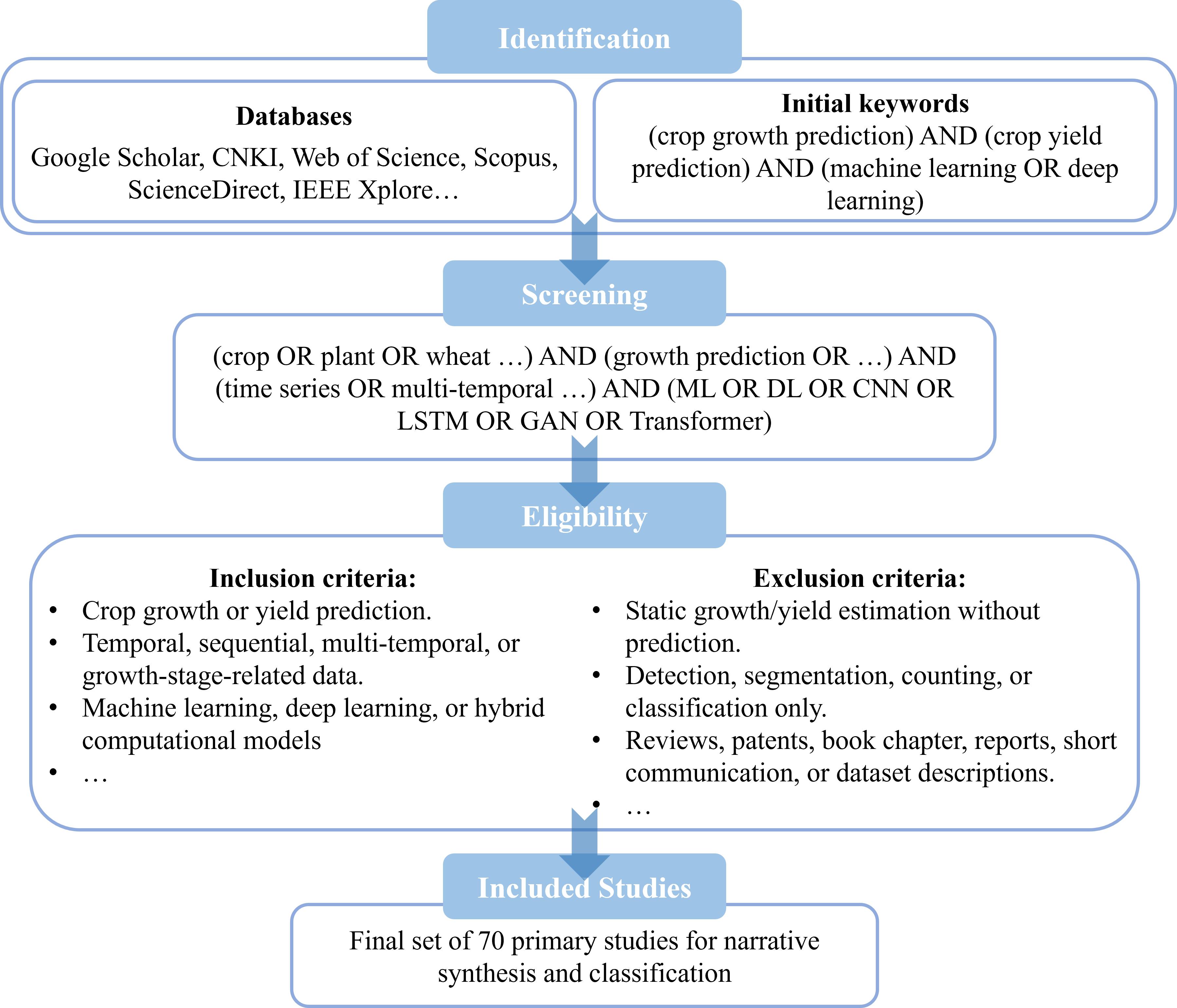
Fig. 2
Development trajectory of growth prediction methods for individual crops from 2021 to 2025 Note: The symbol “–” indicates the sequential connection in model architecture (e.g., CNN–LSTM means CNN followed by LSTM), excluding cases where “–” is part of the model name (e.g., Pix2Pix-HD); “+” denotes model ensemble (e.g., k-nearest neighbors (KNN) + support vector machine (SVM)).
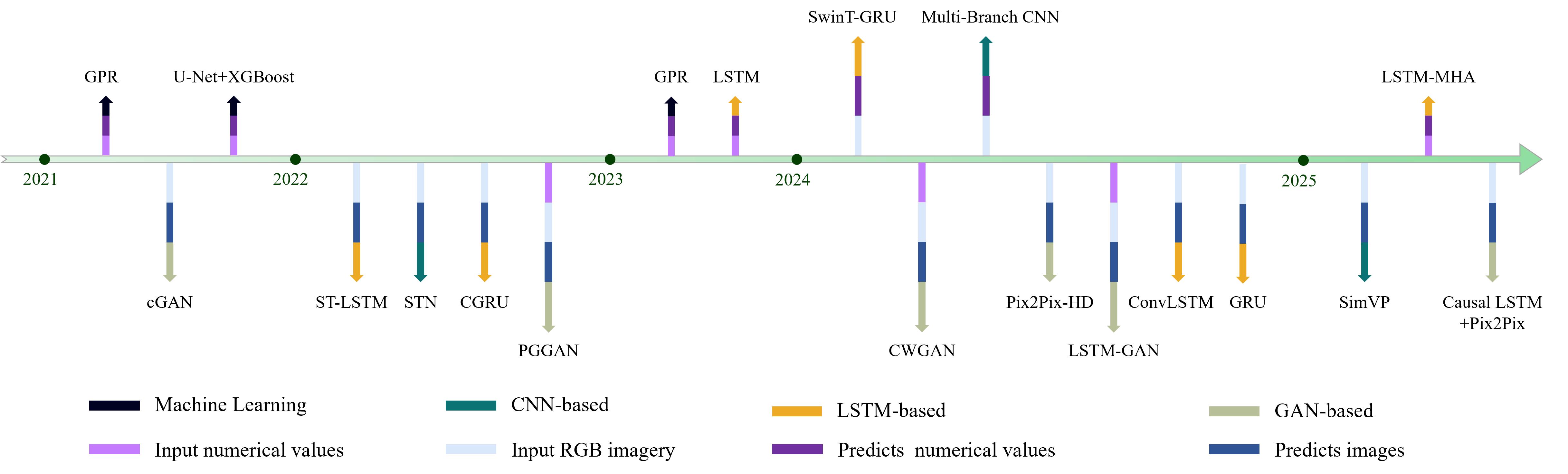
Table 1
Machine learning methods for crop growth prediction
| Crop | Method | Source data | Predicted Variable | Prediction result | Reference |
|---|---|---|---|---|---|
| Lettuce | SVR | RGB Image | Fresh Weight | r: 0.743 | NAGANO et al.[ |
| Toona sinensis seedling | LR | RGB-D Image | Plant Height | R 2: 0.720 RMSE: 1.89 cm | LIU et al.[ |
| Fresh Weight | R 2: 0.830 RMSE: 0.32 g | ||||
| Lettuce | GPR | RGB Image、 Environmental Data | Fresh Weight | R 2: 0.949 3 MRE=11.50% | LIU et al.[ |
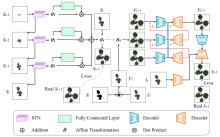
Fig. 3
Architecture diagram of the crop growth image prediction model based on Spatial Transformer Network
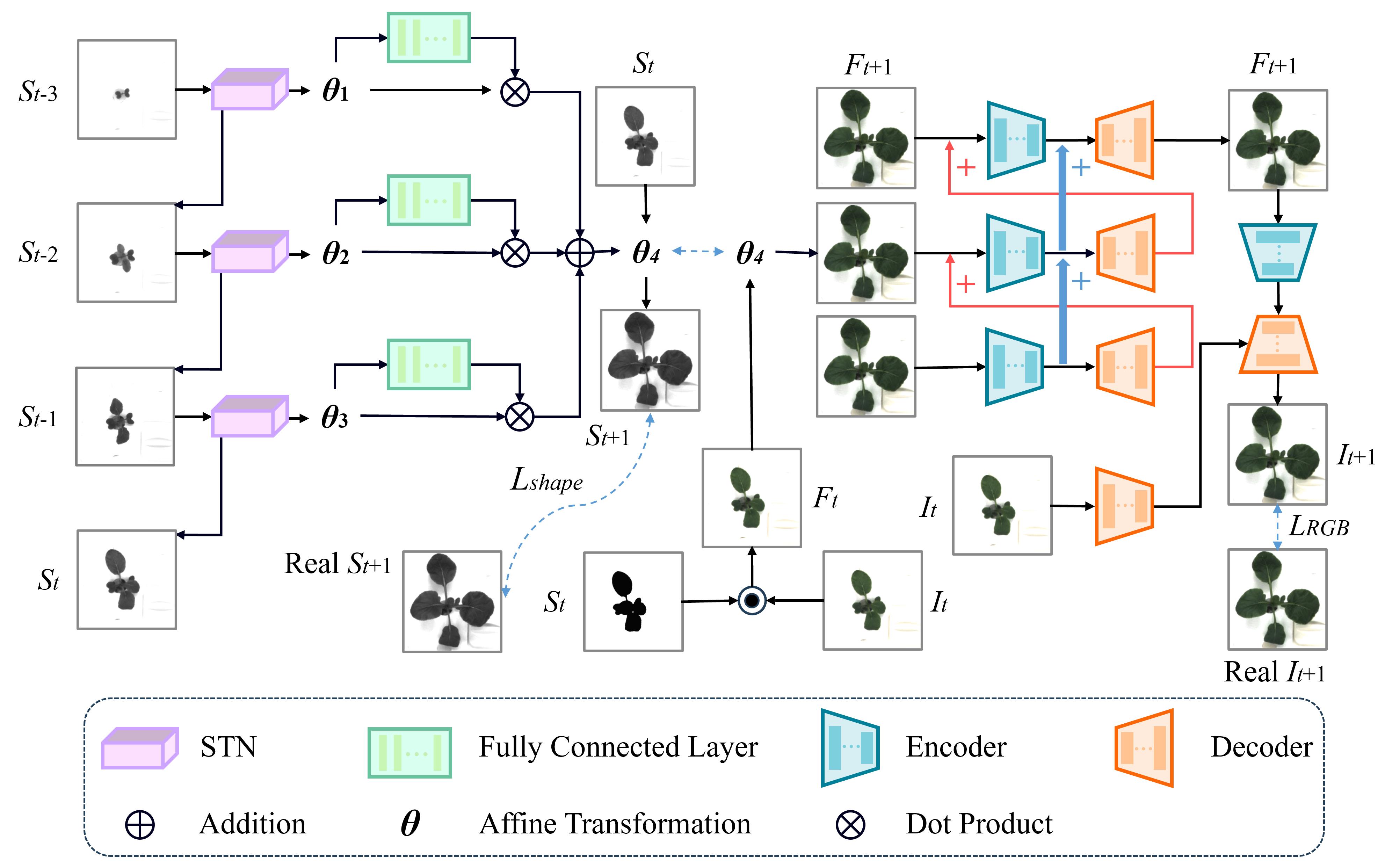
Table 2
Convolutional neural network based methods for crop growth prediction
| Crop | Method | Source Data | Predicted Variable | Prediction result | Reference |
|---|---|---|---|---|---|
| Pepper | CNN | RGB Image | Plant Height | RMSE: 2.26 cm | RUIZ et al.[ |
| Canopy Spread | RMSE: 3.24 cm | ||||
| komatsuna | STN+U-Net+LSTM | Grayscale/RGB Image | Future Image | PSNR: 25.95 dB SSIM: 0.843 | JUNG et al.[ |
| Arabidopsis thaliana | STN+Encoder–Decoder | Grayscale/RGB Image | Future Image | PSNR: 23.13 dB SSIM: 0.822 | KIM et al.[ |
| Arabidopsis thaliana | STN+Encoder–Decoder | Grayscale/RGB Image | Future Image | PSNR: 30.61 dB SSIM: 0.843 | KIM et al.[ |
| Lettuce | Future Image | PSNR: 23.03 dB SSIM: 0.815 | |||
| Pak choi | Future Image | PSNR: 26.55 dB SSIM: 0.907 |
Fig. 4
Architecture diagram of the crop growth image prediction model based on Long Short-Term Memory.
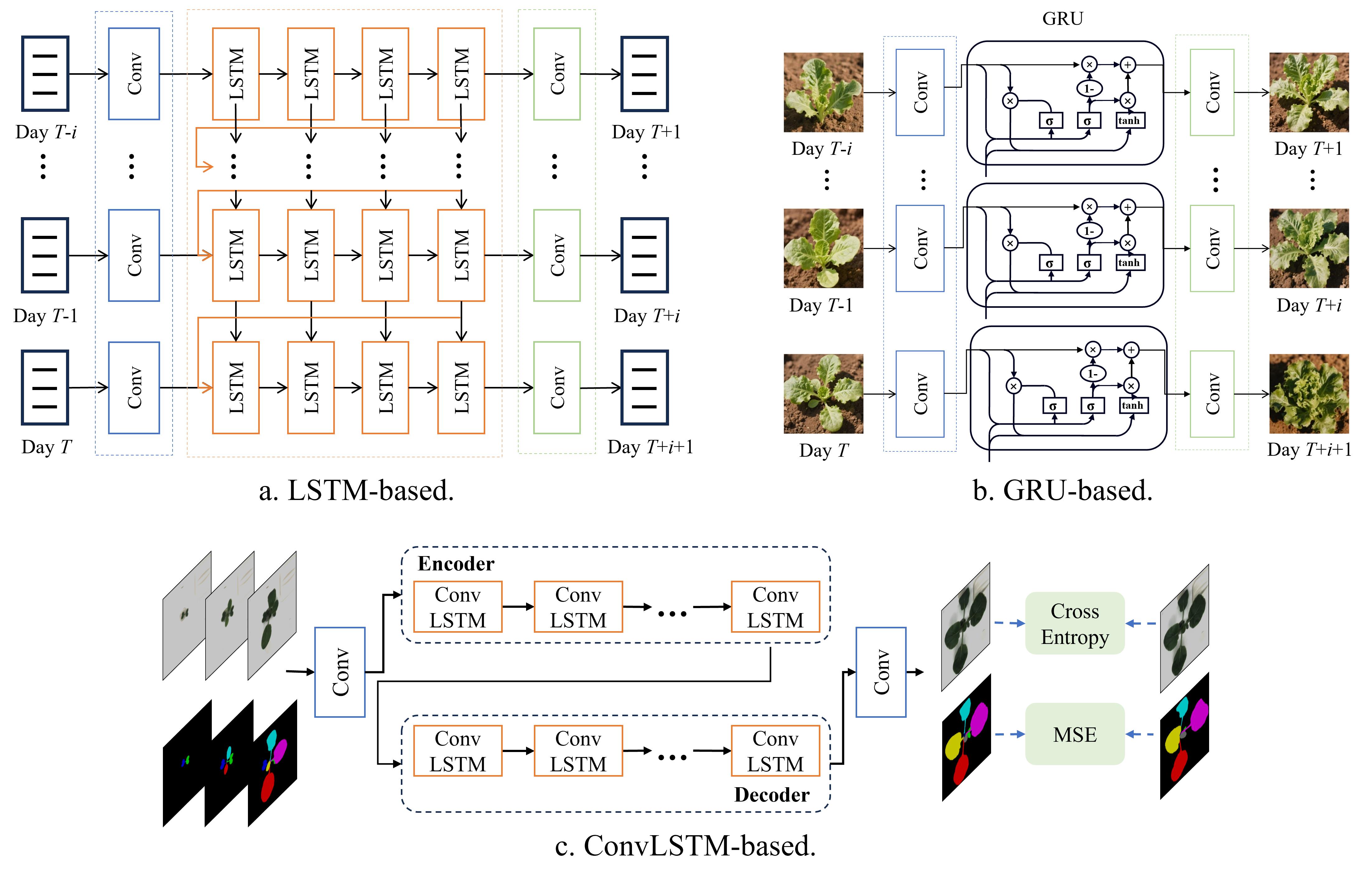
Table 3
Long Short-Term Memory based methods for crop growth prediction
| Crop | Method | Source Data | Predicted Variable | Prediction result | Reference |
|---|---|---|---|---|---|
| Rice seedling | LSTM | Environmental Data | Plant Height | RMSE: 0.28 cm | GHAFFARI et al.[ |
| Tomato | CNN+GRU | RGB Image | Future Image | SSIM: 0.746 | LIU et al.[ |
| Arabidopsis thaliana | CNN+GRU | RGB Image | Future Image | PSNR: 27.53 dB | MENG et al.[ |
| Mushrooms | CNN+ConvLSTM | RGB Image | Future Image | PSNR: 35.61 dB SSIM: 0.927 | YANG et al.[ |
| Wheat seedlings | ST-LSTM+MIM | RGB Image | Future Image | PSNR: 30.67 dB SSIM: 0.840 | WANG et al.[ |
| Arabidopsis thaliana | ST-LSTM | RGB Image | Future Image | PSNR: 39.74 dB SSIM: 0.774 | WANG et al.[ |
Fig. 5
Architecture diagram of the crop growth prediction model based on Generative Adversarial Network. Note: “x” represents predicted image; “y” represents ground truth image.
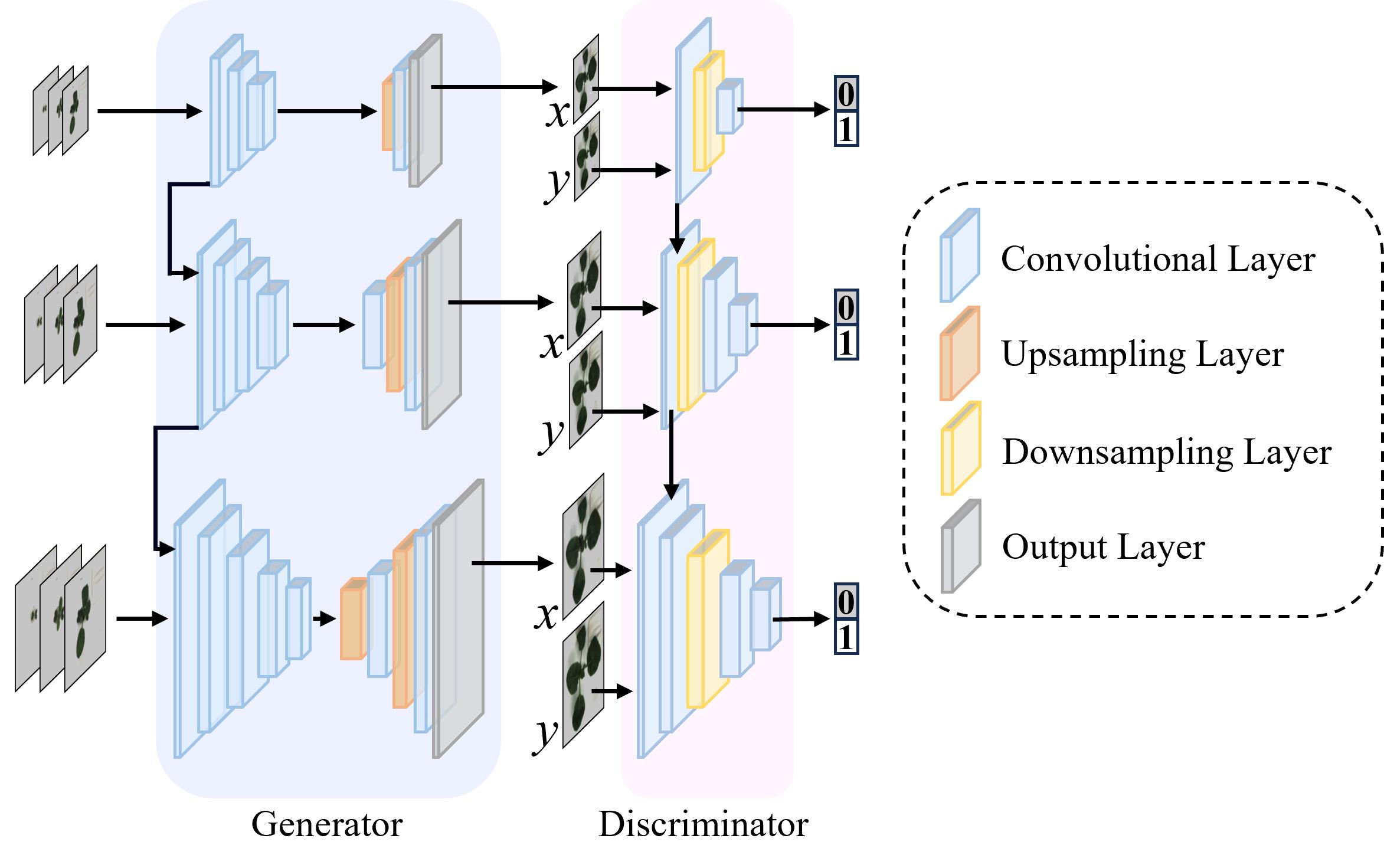
Table 4
Generative Adversarial Network based methods for crop growth prediction
| Crop | Method | Source Data | Predicted Variable | Prediction result | Reference |
|---|---|---|---|---|---|
| Pak choi | PGGAN | Binary Image | Leaf Mask Image | PSNR:22.48 dB SSIM:0.952 | YASRAB et al.[ |
| Arabidopsis thaliana | Pix2Pix | RGB Image | Future Image | FID:38.12 | DREES et al.[ |
| Sugar beet | PGGAN | RGB Image | Future Image | PSNR:27.43 dB SSIM:0.729 | SHETH[ |
| Cauliflower | MLP+CWGAN | Management/Biomass Data,RGB Image | Future Image | SSIM:0.810 | DREES et al.[ |
| Basil | LSTM+GAN | Environmental Data,RGB Image | Future Image | SSIM:0.937 FID:62.25 | DEBBAGH et al.[ |
| Rice seedlings | Pix2Pix-HD | RGB Image | Future Image | PSNR:13.58 dB SSIM:0.780 FID:24.75 | DUAN et al.[ |
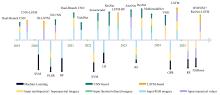
Fig. 6
Development trajectory of yield prediction methods for field crops from 2019 to 2026 Note: The symbol "–" indicates a sequential connection in the model architecture (e.g., LSTM–Random Forest (RF) means LSTM followed by Random Forest), except when it is part of the model name (e.g., Dual-Branch CNN). The symbol "+" denotes a model ensemble (e.g., World Food Studies (WOFOST) + ResNet-LSTM).
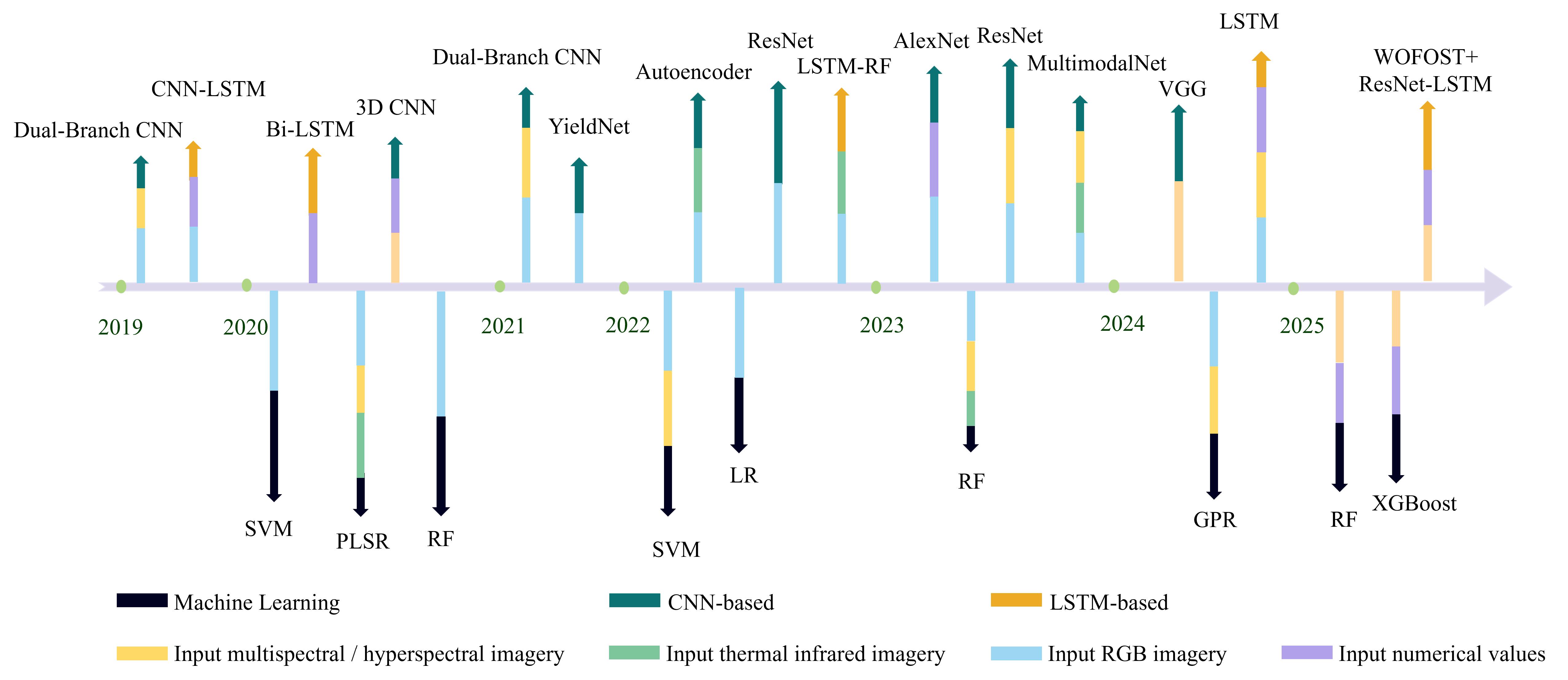
Table 5
Machine learning methods for yield prediction of field crops
| Crop | Method | Source Data | Prediction result | Reference |
|---|---|---|---|---|
| Cotton | PLSR | RGB/Multispectral/Thermal Infrared Image | RMSE: 16.4 g/m² R 2: 0.94 | FENG et al.[ |
| Potato | Random Forest | RGB/Hyperspectral Image | RMSE: 0.370 kg/m² R 2: 0.90 | LI et al.[ |
| PLSR | RGB/Hyperspectral Image | RMSE: 0.042 kg/m² R 2: 0.81 | ||
| Wheat | Random Forest | RGB/Multispectral Image, Meteorological/Soil Data, Management Data | RMSE: 0.062 kg/m² R 2: 0.82 | RAZA et al.[ |
| Cotton | XGBoost | Multispectral Image, Point cloud Data | RMSE: 0.040 kg/m² R 2: 0.80 | WU et al.[ |
| Alfalfa | SVM+KNN+Random Forest (ensemble by LR) | Hyperspectral Image | RMSE: 0.022 1 kg/m² R 2: 0.87 | FENG et al.[ |
| Wheat | Cubist+SVM+DNN+Random Forest (ensemble by Ridge) | RGB/Multispectral/Thermal Infrared Image | RMSE: 0.091 6 kg/m² R 2: 0.69 | FEI et al.[ |
Fig. 7
Convolutional neural networks based model for wheat yield prediction
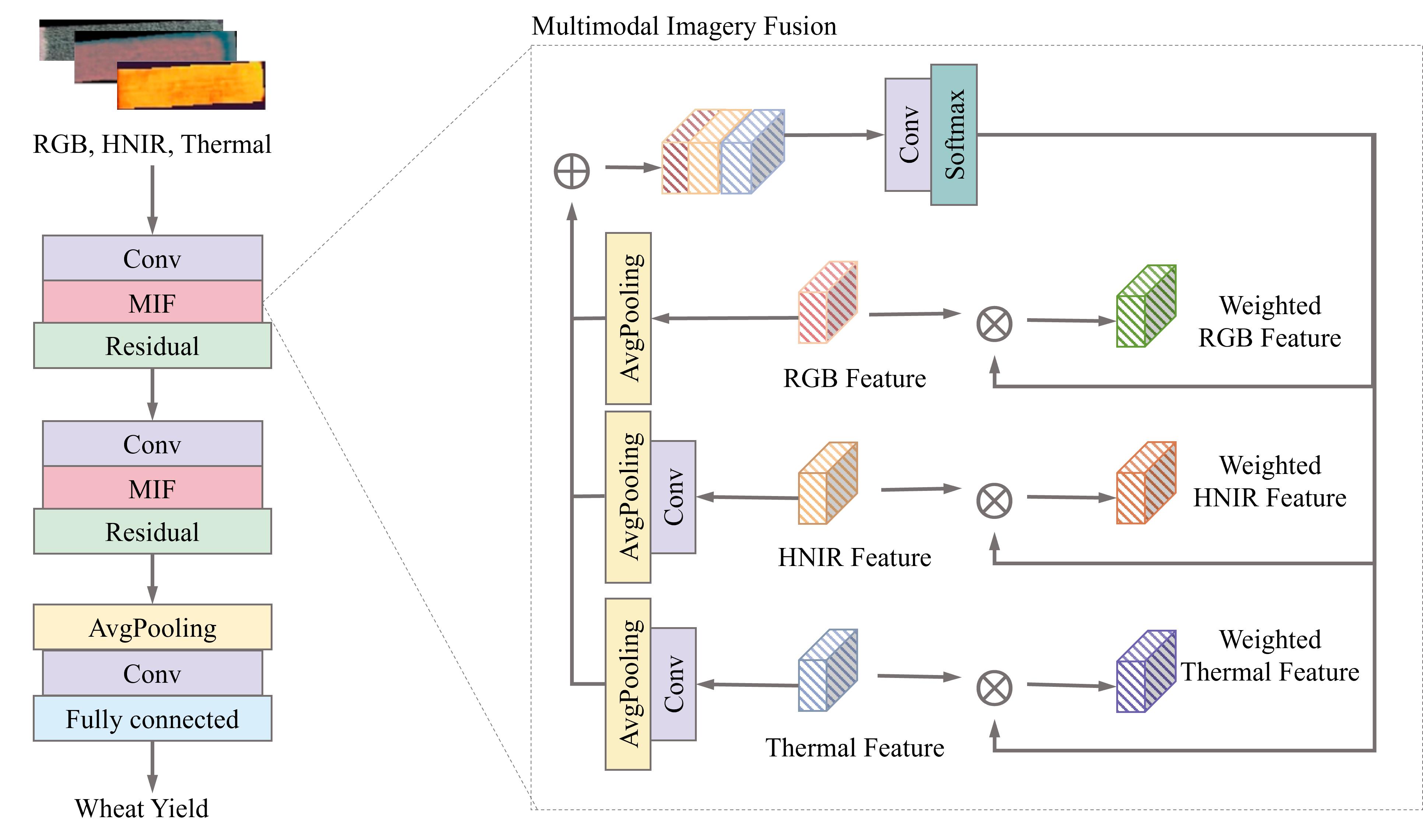
Fig. 8
Convolutional neural networks based model for soybean yield prediction
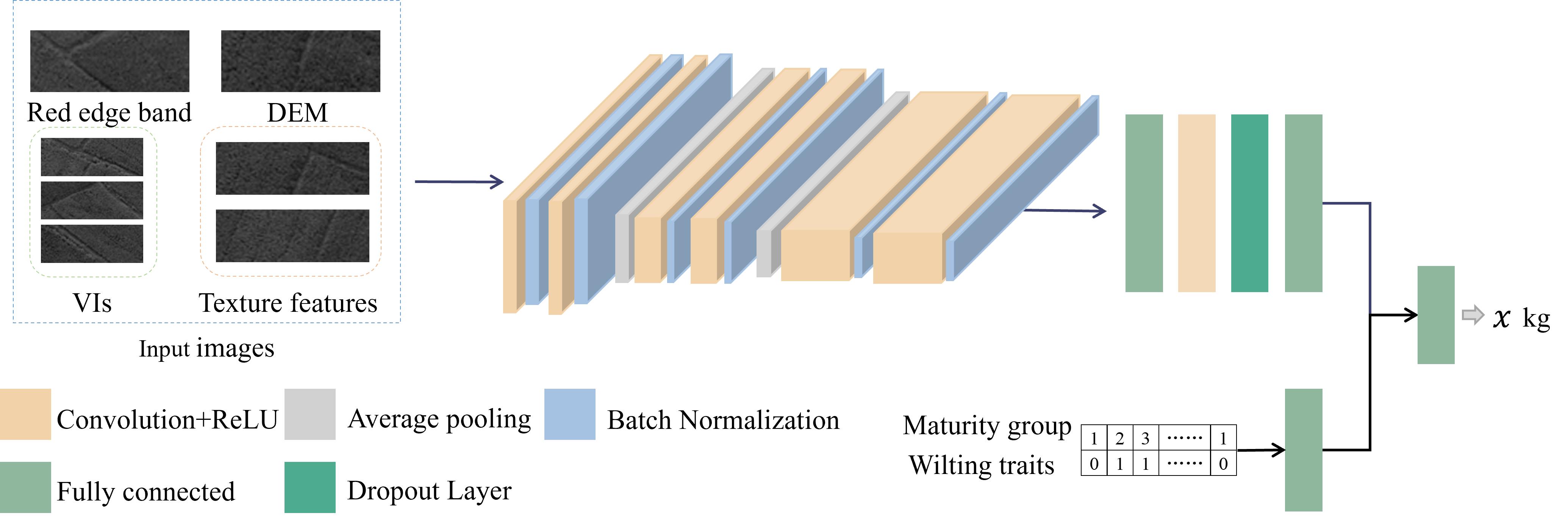
Table 6
Convolutional neural network based methods for field crop yield prediction
| Crop | Method | Source Data | Prediction result | Reference |
|---|---|---|---|---|
| Wheat | AlexNet | Multispectral Image | RMSE: 0.095 kg/m² R 2: 0.607 | TANABE et al.[ |
| Wheat | MultimodalNet | RGB/Hyperspectral/Thermal Infrared Image | MAE: 0.051 kg/m² R 2: 0.741 | MA et al.[ |
| Rice | AlexNet | Multispectral Image、Soil/Meteorological Data | RMSE: 0.086 kg/m² R 2: 0.650 | MIA et al.[ |
| Soybean | 3D CNN | Radar/Meteorological Data | MAE: 0.087 kg/m² r: 0.920 | HASHEMI et al.[ |
Fig. 9
Long Short-Term Memory based model for wheat yield classification.
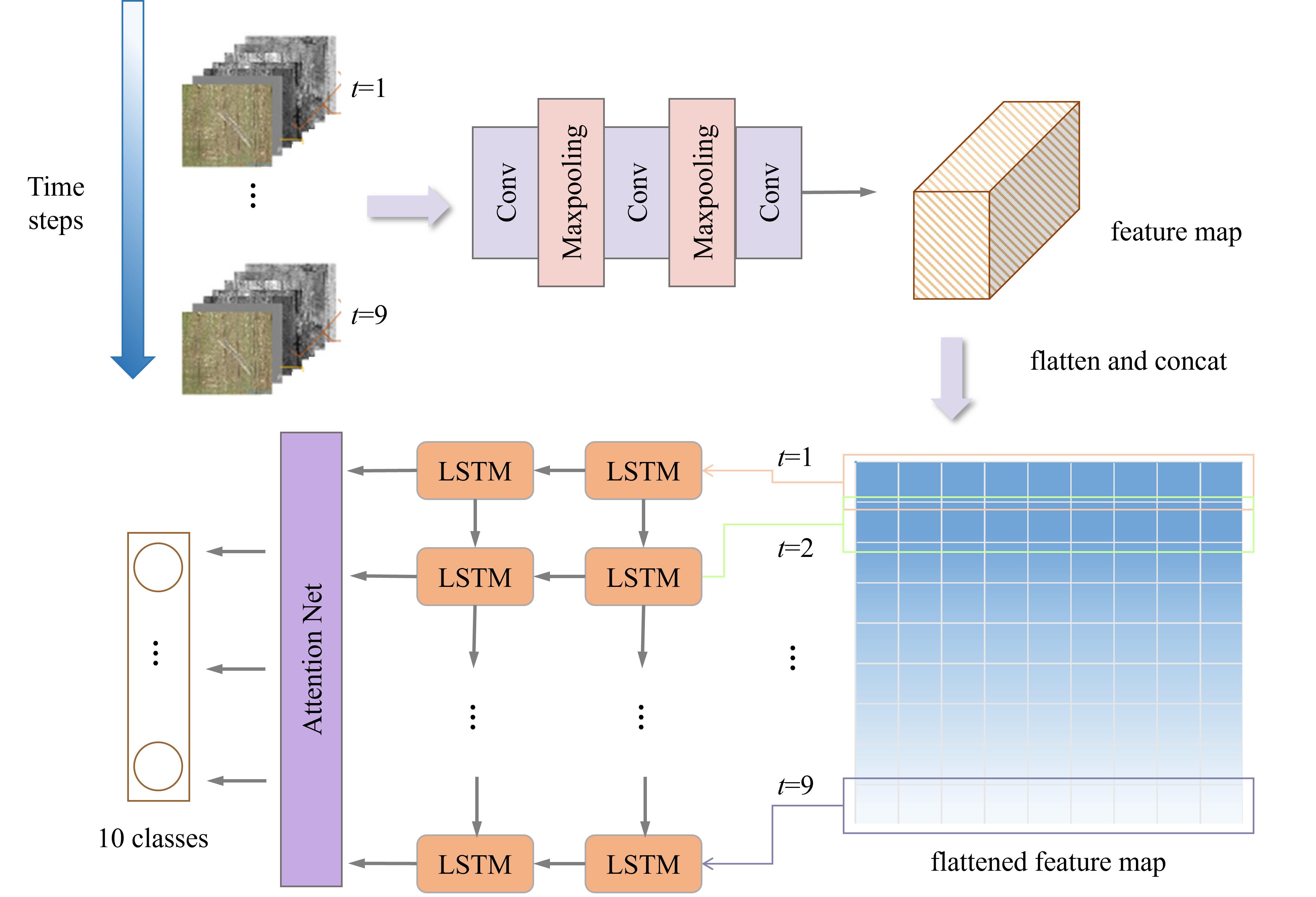
Fig. 10
Long Short-Term Memory based model for soybean yield prediction.
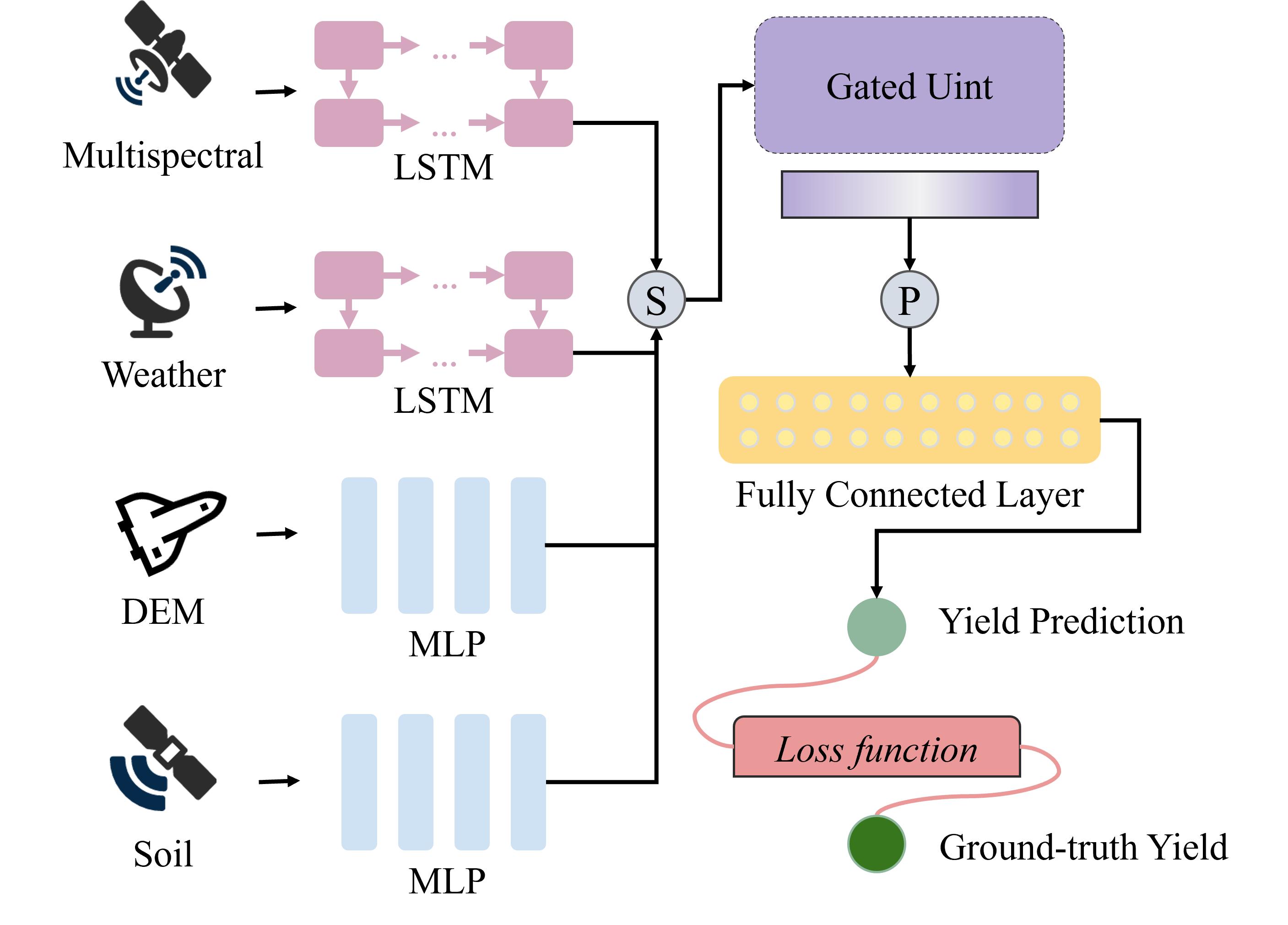
Table 7
Long Short-Term Memory based methods for field crop yield prediction
| Crop | Method | Source Data | Prediction result | Reference |
|---|---|---|---|---|
| Wheat | LSTM | Multispectral Image, Meteorological Data | RMSE: 0.035 kg/m² R 2: 0.830 | TIAN et al.[ |
| Wheat | LSTM-Random Forest | Multispectral/Thermal Infrared Image | RMSE: 0.068 kg/m² R 2: 0.780 | SHEN et al.[ |
| Wheat | CNN-LSTM | RGB Image, Temperature Data | MAE: 0.033 kg/m² R 2: 0.905 | NEVAVUORI et al.[ |
| Soybean | CNN-ConvLSTM | Multispectral Image | RMSE: 0.063 kg/m² R 2: 0.870 | NEJAD et al.[ |
| Soybean | LSTM-GRU | RGB/Multispectral imagery, meteorological/soil/topographical data | MAE: 0.061 kg/m² R 2: 0.680 | MENA et al.[ |
| Rice | LSTM | Multispectral/Meteorological/Soil Data | RMSE: 0.029 8 kg/m² R 2: 0.870 | CAO et al.[ |
| Maize | Multi-modal-LSTM | Hyperspectral Image, Point Cloud Data | RMSE: 0.076 kg/m² R 2: 0.930 | AVILES et al.[ |
Table 8
Public datasets for individual‑plant crop growth research
| Dataset | Crop Variety | Plants Number | Time Interval | Time Span | Data Type | Data Volume | Reference |
|---|---|---|---|---|---|---|---|
| KOMATSUNA | komatsuna | 5 | Every 4 hours | 10 days | RGB-D/Multi-view RGB Image, Leaf Segmentation Labels, Environmental Data | RGB-D: 300 sets Multi-view RGB: 900 sets | UCHIYAMA et al.[ |
| DeepPheno | Arabidopsis thaliana (4 accessions) | 97 | Once per day | 22 days | RGB Image, Accession Labels | 22 images per plant sequence | NAMIN et al.[ |
| Aberystwyth Leaf Evaluation | Arabidopsis thaliana | 916 | every 13-15 minutes during daytime | 35 days | RGB Image, Leaf Segmentation Labels, Phenotyping Data(fresh/dry weight, etc.) | RGB: 6 704 images Annotations: 56 images | BELL et al.[ |
| GrowliFlower | Cauliflower | 14 000 | Once per week | 2 growing seasons | RGB/Multispectral Image, Plant/Leaf Segmentation Labels, Phenotyping Data (plant height, canopy width, etc.) | >10 000 time series Annotations: Partial Images | KIERDORF et al.[ |
| Ara2012 | Arabidopsis thaliana | 19 | Timed during daytime | 3 weeks | RGB Image, Plant/Leaf Segmentation Labels | 150 Annotations: Partial Images | MINERVINI et al.[ |
| Ara 2013 | Arabidopsis thaliana | 24 | Timed during daytime | 7 weeks | RGB Image, Plant/Leaf Segmentation Labels | 6 137 images Annotations: Partial Images |
Fig. 11
Input data combinations for crop yield estimation.
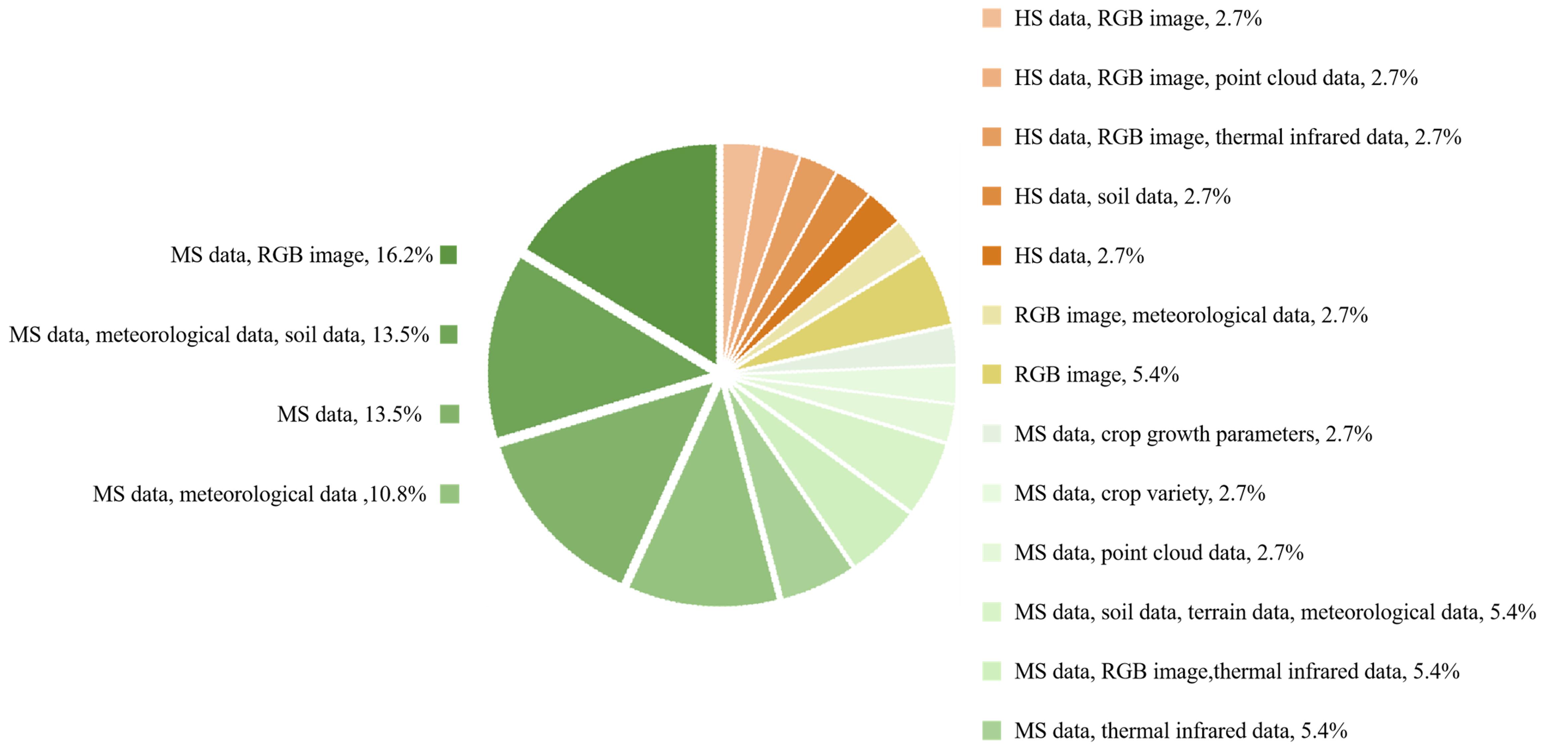
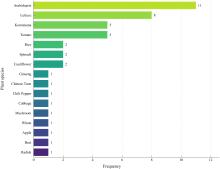
Fig. 12
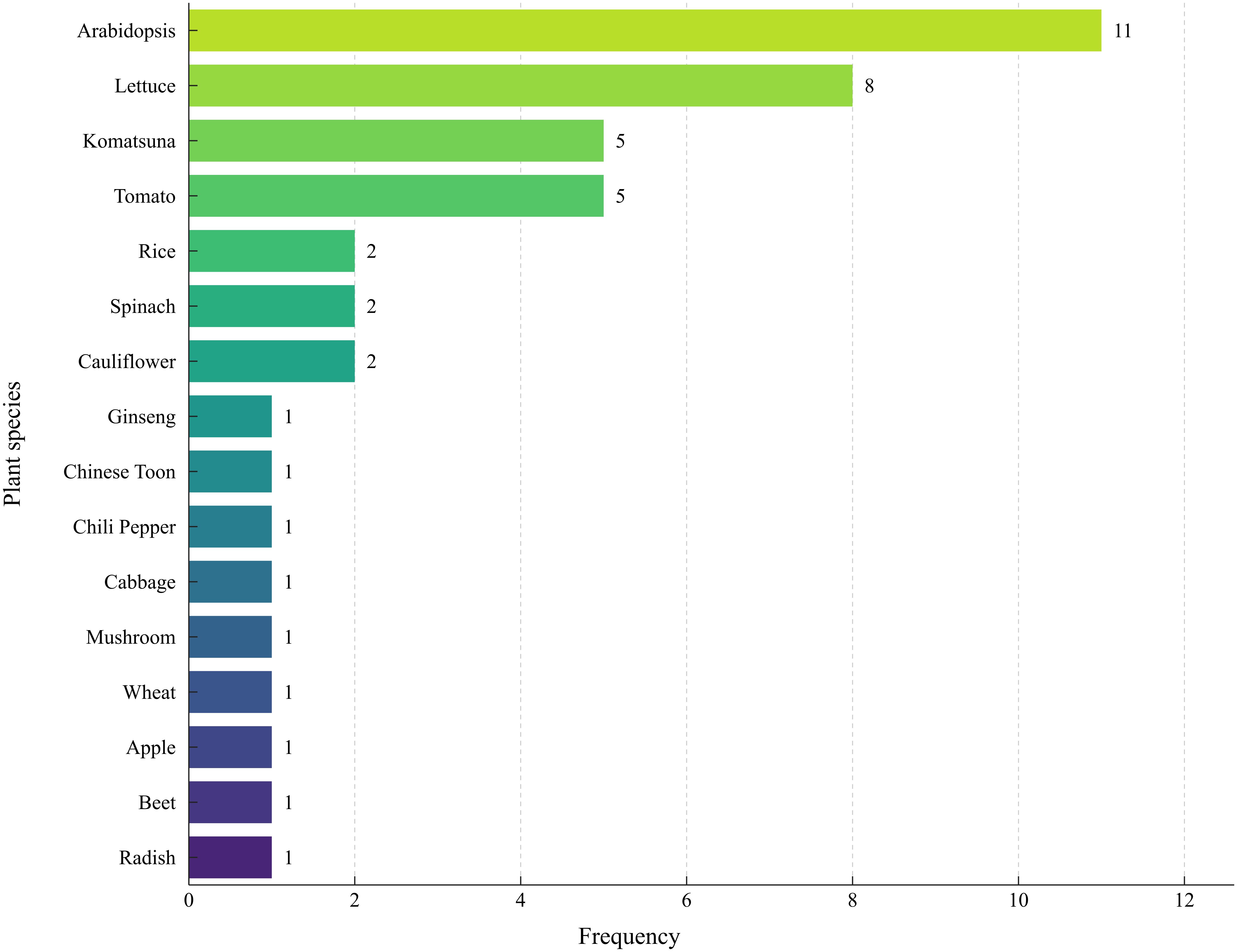
Research frequency of crops in individual-plant-scale sequential growth prediction tasks
| [1] |
FAO. World Food and Agriculture – Statistical Yearbook 2024[R/OL]. Rome: FAO, 2024-11-18. [2026-08-31].
|
| [2] |
FSIN, GNAFC. Global Report on Food Crises 2025[R/OL]. Rome: FSIN/GNAFC, 2025‑05‑16. [2026‑08‑31].
|
| [3] |
|
| [4] |
|
| [5] |
|
| [6] |
|
| [7] |
|
| [8] |
|
| [9] |
|
| [10] |
|
| [11] |
|
| [12] |
|
| [13] |
|
| [14] |
|
| [15] |
|
| [16] |
|
| [17] |
|
| [18] |
|
| [19] |
|
| [20] |
|
| [21] |
|
| [22] |
|
| [23] |
|
| [24] |
|
| [25] |
|
| [26] |
|
| [27] |
|
| [28] |
|
| [29] |
|
| [30] |
|
| [31] |
|
| [32] |
|
| [33] |
|
| [34] |
|
| [35] |
|
| [36] |
|
| [37] |
|
| [38] |
|
| [39] |
|
| [40] |
|
| [41] |
|
| [42] |
|
| [43] |
|
| [44] |
|
| [45] |
|
| [46] |
|
| [47] |
|
| [48] |
|
| [49] |
|
| [50] |
|
| [51] |
|
| [52] |
|
| [53] |
|
| [54] |
|
| [55] |
|
| [56] |
|
| [57] |
|
| [58] |
|
| [59] |
|
| [60] |
|
| [61] |
|
| [62] |
|
| [63] |
|
| [64] |
|
| [65] |
|
| [66] |
|
| [67] |
|
| [68] |
|
| [69] |
|
| [70] |
|
| [71] |
|
| [72] |
|
| [73] |
|
| [74] |
|
| [75] |
|
| [76] |
|
| [77] |
|
| [78] |
|
| [79] |
|
| [80] |
|
| [81] |
|
| [82] |
|
| [83] |
|
| [84] |
|
| [85] |
|
| [86] |
|
| [87] |
|
| [88] |
|
| [89] |
|
| [90] |
|
| [91] |
|
| [92] |
|
| [93] |
|
| [94] |
|
| [95] |
|
| [96] |
|
| [97] |
|
| [98] |
|
| [99] |
|
| [100] |
|
| [101] |
|
| [102] |
|
| [103] |
|
| [104] |
|
| [105] |
|
| [1] | LUO Mingyang, DAI Hangyu, TANG Hao, WU Yingkui, GUO Ya. Rapid Prediction Method for Steady-State CO2 Concentration in Plant Photosynthetic Measurements with Uncertainty-Adaptive Adjustment [J]. Smart Agriculture, 2026, 8(4): 35-46. |
| [2] | LIANG Wanjie, LIU Xiaojun, WU Qian, SUN Chuanliang, LEI Tianjie, XU Deze, ZHENG Xingfei, ZHU Guanglong, TANG Quan. Recognition of Wheat Waterlogging Stress and Regulation Effect Based on UAV Multispectral Images and VGG21 Model [J]. Smart Agriculture, 2026, 8(4): 60-69. |
| [3] | WANG Yi, XIONG Baowei, WANG Gang, SHAO Guomin, ZHANG Liyuan, LI Guang. County-Level Winter Wheat Yield Prediction Based on Phenological-Stage Progressive Multi-Source Data Fusion [J]. Smart Agriculture, 2026, 8(4): 70-84. |
| [4] | SUN Jiaze, QU Mingshan, YANG Jizhong, LOU Chuixin, LI Guangwei, ZHANG Zhonglili. Machine Learning Reveals the Driving Effects of Soil Nutrients on Maize Yield Formation: A Case Study of Yunnan, China [J]. Smart Agriculture, 2026, 8(4): 180-191. |
| [5] | WANG Haiyan, LI Zechen, CAO Jusong, LI Xuan, LI Jiawei, LI Guoliang, XU Xuewen. Research Progress on Intelligent Measurement Technologies for Livestock Body-Size Phenotypes Based on 3D Point Clouds [J]. Smart Agriculture, 2026, 8(4): 17-34. |
| [6] | WU Mingqing, LI Weikang, WANG Jing, LI Jing, PEI Rentao, HUANG Haitao, QIU Huanghuang, LEI Chujing, ZHAO Duo, HUANG Jingtao, GAO Zhiyong. Estimation of Citrus Transpiration in a Savanna Valley Based on Feature Selection and Optimization Algorithms [J]. Smart Agriculture, 2026, 8(4): 192-203. |
| [7] | XU Jiabin, QIN Yaru, WEN Haoyang, QIU Huanguang, CUI Zhaoda. Can Digital Technology Improve the Resilience of Grain Production: Causal Inference Based on Dual Machine Learning [J]. Smart Agriculture, 2026, 8(3): 176-189. |
| [8] | HUI Liwei, CAI Hailong, YI Hongmei. How Is Smart Agricultural Machinery Adopted by Farmers? Micro-Evidence from Beidou Navigation Tractors [J]. Smart Agriculture, 2026, 8(3): 85-98. |
| [9] | WU Chenxu, ZUO Haolong, LI Gang. Cross-Modal Attention for Multi-Source Remote Sensing Crop Classification under Cloud Occlusion and Complex Field Scenarios [J]. Smart Agriculture, 2026, 8(2): 118-132. |
| [10] | WANG Yi, CUI Xitong, WANG Chen, XIONG Baowei, SHAO Guomin, WANG Wanying, CAO Pei, HAN Wenting. Field Maize Yield Prediction Model Based on Causal Inference and Machine Learningin Agricultural Fields [J]. Smart Agriculture, 2026, 8(2): 175-187. |
| [11] | XU Xiaobin, ZHU Hongchun, LI Feng, HE Wei, YANG Jiaming, LI Zhenhai. High Spatiotemporal Resolution Remote Sensing for Precision Agricultural Disaster Early Warning: Progress, Bottlenecks, and Integrative Pathways [J]. Smart Agriculture, 2026, 8(2): 18-34. |
| [12] | YAO Xiaotong, QU Shaoye. Lightweight Detection Method for Pepper Leaf Diseases and Pests Based on Improved YOLOv12s [J]. Smart Agriculture, 2026, 8(1): 1-14. |
| [13] | WU Zhangbin, HE Ning, WU Yandong, GUO Xinyu, WEN Weiliang. Point Cloud Data-driven Methods for Estimating Maize Leaf Biomass [J]. Smart Agriculture, 2026, 8(1): 156-166. |
| [14] | ZHAO Jun, NIE Zhigang, LI Guang, LIU Jiayu. Corn Borer Pests Infestations Detection Method Using Low-Altitude Close-Range UAV Imagery [J]. Smart Agriculture, 2025, 7(6): 111-123. |
| [15] | ZHANG Yun, ZHANG Lumin, XU Guangtao, HAO Jiahui. Remote Sensing Extraction Method of Rice-Crayfish Fields Based on Dual-Branch and Multi-Scale Attention [J]. Smart Agriculture, 2025, 7(6): 185-195. |
| Viewed | ||||||
|
Full text |
|
|||||
|
Abstract |
|
|||||