Smart Agriculture ›› 2026, Vol. 8 ›› Issue (5): 219-237.doi: 10.12133/j.smartag.SA202605024
• Information Processing and Decision Making • Previous Articles
SONG Xiangshuo, WANG Jun( )
Received:2026-05-18
Online:2026-09-30
Foundation items:中央引导地方科技发展资金项目(25ZYJA035); 甘肃省科技重大专项计划(25ZDFA011); 甘肃农业大学学科团队建设项目(GAU-XKTD-2026-076)
About author:宋祥硕,硕士研究生,研究方向为智慧农业和深度学习。E-mail:songxiangshuo@gsau.edu.cn
SONG Xiangshuo, E-mail: songxiangshuo@gsau.edu.cn
corresponding author:
CLC Number:
SONG Xiangshuo, WANG Jun. FLPNet: A Lightweight Real-Time Apple Leaf Disease Detection Model Based on Frequency-Spatial Dual-Domain Decoupling[J]. Smart Agriculture, 2026, 8(5): 219-237.
Add to citation manager EndNote|Ris|BibTeX
URL: https://www.smartag.net.cn/EN/10.12133/j.smartag.SA202605024
Table 1
Description of common apple leaf diseases
| Disease type | Scientific name | Symptoms | Period of high incidence |
|---|---|---|---|
| Alternaria leaf spot[ | Alternaria spp | Dark brown spots appear on the leaves, evolving into circular or irregular lesions characterized by grayish-brown centers and occasionally concentric rings. The necrotic tissue leads to premature wilting and dropping of the leaves | It mainly occurs between 70 and 110 days after flowering, with infection typically starting around 20 days after flowering |
| Brown spot[ | Alternaria alternata f. sp. mali | Dark brown spots expand into larger lesions, accompanied by a rapid yellowing of the surrounding tissue, forming a distinct "halo". This process leads to extensive premature leaf defoliation | From summer to early September, conditions favoring early defoliation disease are prevalent due to the hot and rainy climate. The peak period for this disease extends until early September |
| Frogeye leaf spot[ | Botryosphaeria dothidea | Purple-brown specks develop into circular spots characterized by light centers and dark margins, resembling a "frog's eye". The necrotic center may detach, potentially leading to leaf drop | Its peak period usually occurs from late spring to early summer |
| Mosaic[ | Apple mosaic virus | Light and dark green mosaic patterns appear on leaves, with yellow patches reducing chlorophyll. This impairs photosynthesis and weakens the tree | Symptoms can occur throughout the year, but are often more pronounced during the spring shoot growth period |
| Powdery mildew[ | Podosphaera leucotricha | White powdery patches form on the leaves, causing them to curl and distort. The affected areas become stunted, potentially leading to premature leaf loss | Spring is the peak season for the occurrence of diseases; however, the severity of these diseases varies across different regions. In some areas, diseases may persist throughout other periods of the growing season |
| Rust[ | Gymnosporangium yamadae | Yellow-orange spots appear on the leaf surface, accompanied by corresponding cup-shaped structures forming beneath. The leaves may curl, desiccate, and abscise prematurely | Spring and early summer represent the peak periods for rust disease, particularly in the Shaanxi production area, where a high incidence of rust primarily occurs during the early to middle stages of the growing season |
| Scab[ | Venturia inaequalis | Velvety, olive-green to black spots develop on the leaves, evolving into raised, scabby lesions. The surrounding tissue may exhibit yellowing, which can lead to curling and premature leaf drop | Spring is a critical period for the occurrence of apple scab, as it is closely linked to the rainfall and humidity conditions prevalent during this season |
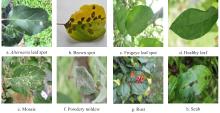
Fig. 1
Typical visual sample examples of the apple leaf disease dataset
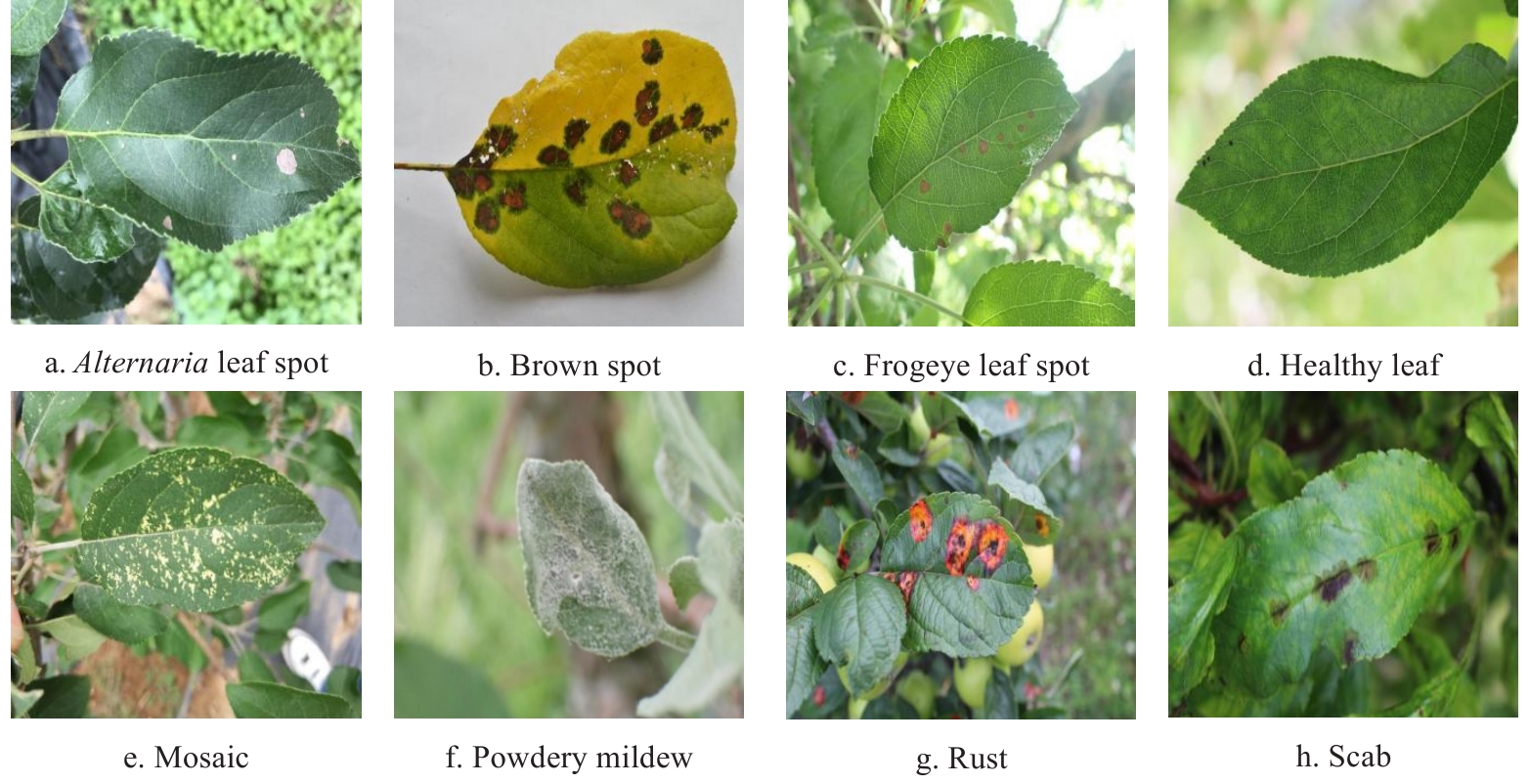
Fig. 2
Example of data augmentation of apple leaf disease images
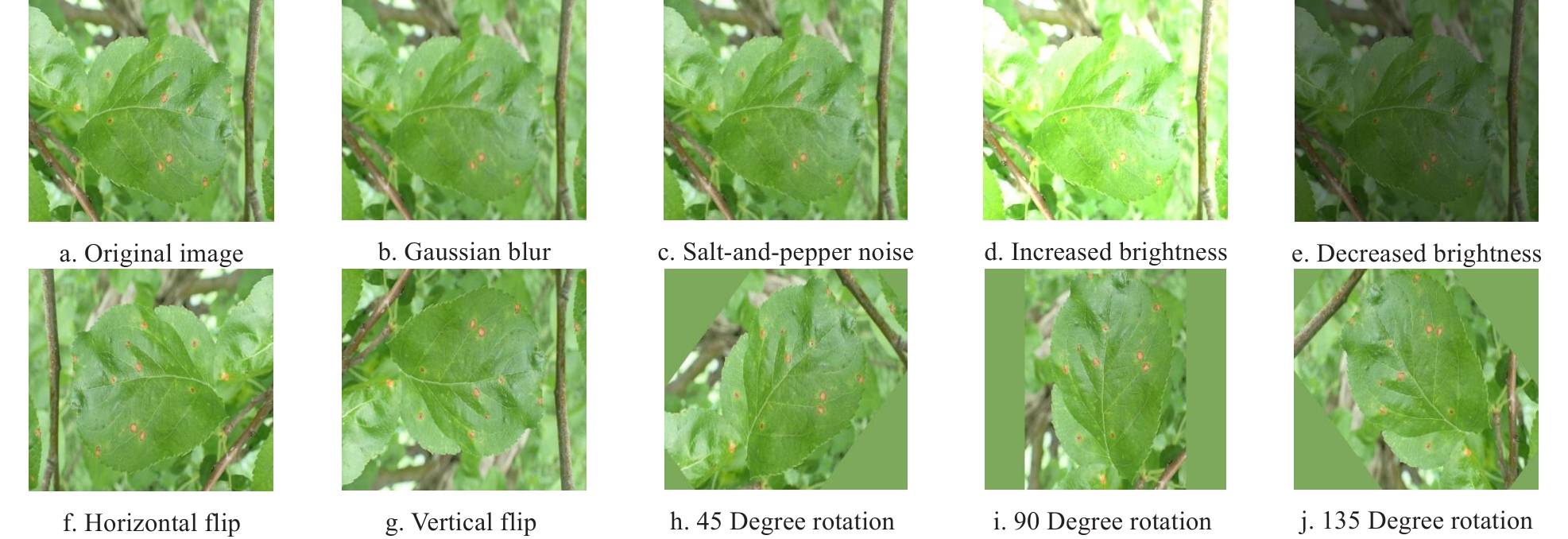
Table 2
The number of images per category in the final dataset of apple leaf disease images
| | | | | |
|---|---|---|---|---|
| | | | | |
| | | | | |
| | | | | |
| | | | | |
| | | | | |
| | | | | |
| | | | | |
| | | | | |
Fig. 3
The Network structure diagram of FLPNet model
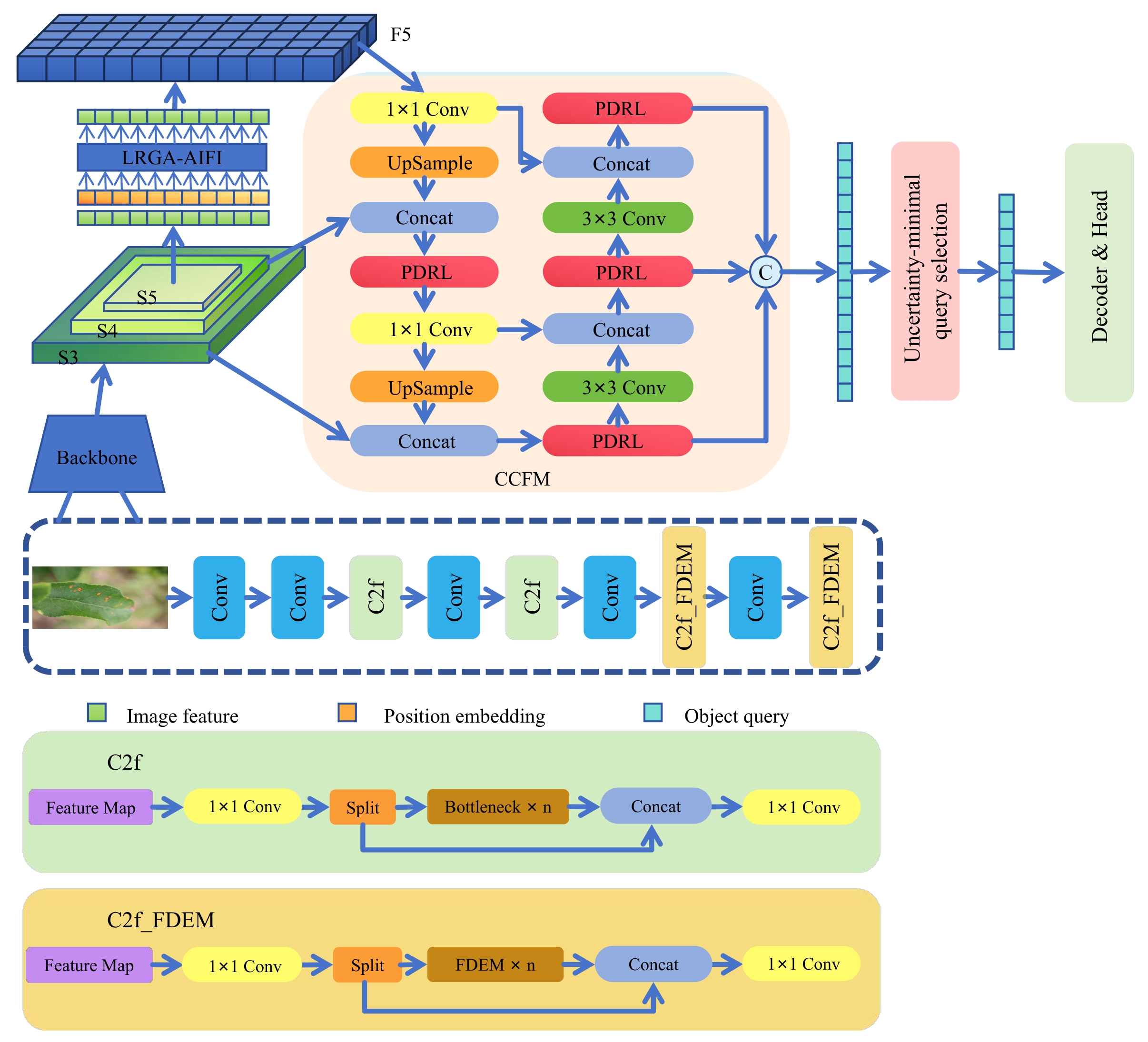
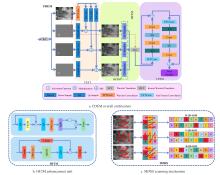
Fig. 4
Schematic diagram of hierarchical feature restoration module structure

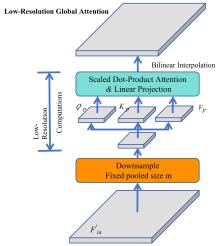
Fig. 5
Low-resolution self-attention structure
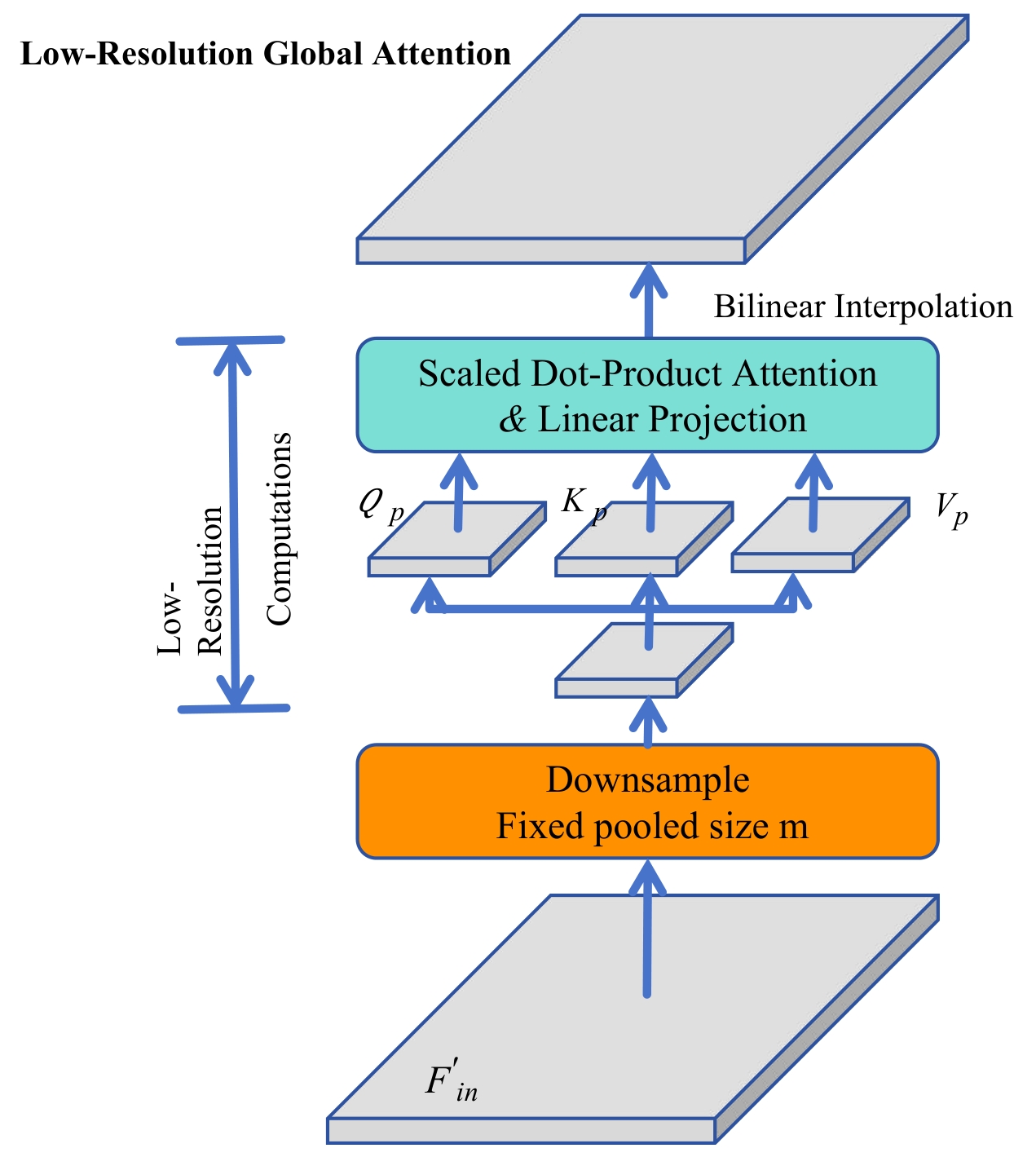
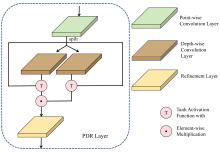
Fig. 6
Schematic diagram of the PDRL
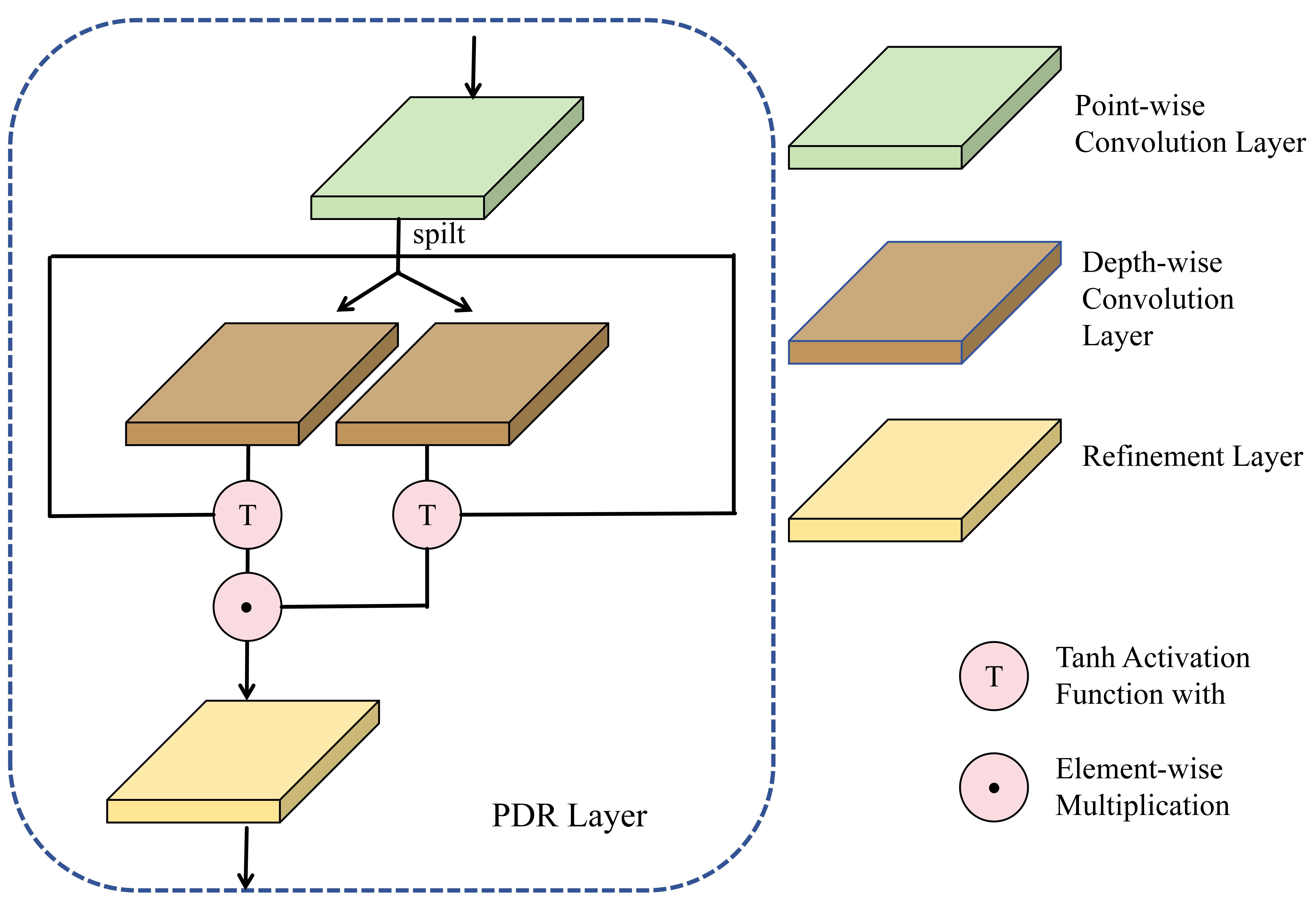
Table 3
Comparison of training results with different backbone networks of the apple leaf disease detection model
| | | | | | | | | | | |
|---|---|---|---|---|---|---|---|---|---|---|
| | | | | | | | | | | |
| | | | | | | | | | | |
| | | | | | | | | | | |
| | | | | | | | | | | |
| | | | | | | | | | | |
| | | | | | | | | | | |
| | | | | | | | | | | |
Table 4
Comparison of training results for different AIFIs of the apple leaf disease detection model
| | | | | | | | | | | |
|---|---|---|---|---|---|---|---|---|---|---|
| | | | | | | | | | | 115.6 |
| | | | | | | | | | | |
| | | | | | | | | | | |
| | | | | | | | | | | |
| | | | | | | | | | | |
Table 5
Training results of different RepC3 of the apple leaf disease detection model
| | | | | | | | | | | |
|---|---|---|---|---|---|---|---|---|---|---|
| | | | | | | | | | | |
| | | | | | | | | | | |
| | | | | | | | | | | |
| | | | | | | | | | | |
Table 6
Training results of different object detection models of the apple leaf disease detection model
| | | | | | | | | | | |
|---|---|---|---|---|---|---|---|---|---|---|
| | | | | | | | | | | |
| | | | | | | | | | | |
| | | | | | | | | | | |
| | | | | | | | | | | |
| | | | | | | | | | | |
| | | | | | | | | | | |
| | | | | | | | | | | |
| | | | | | | | | | | |
| | | | | | | | | | | |
| | | | | | | | | | | |
| | 88.7 | 81.7 | 84.7 | 50.9 | 50.8 | 85.1 | 58.2 | 20.1 | 78.1 | 109.8 |
| | 87.2 | 78.6 | 83.0 | 50.5 | 50.3 | 82.7 | 8.4 | 4.2 | 16.4 | 252.7 |
| | 88.5 | 80.7 | 84.5 | 51.5 | 51.3 | 84.4 | 24.6 | 10.7 | 42.2 | 161.3 |
| | | | | | | | | | | 158.4 |
| | | | | | | | | | | 162.5 |
| | | | | | | | | | | 119.6 |
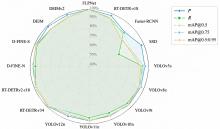
Fig. 7
Radar chart of comprehensive detection performance evaluation for different algorithms of the apple leaf disease detection model
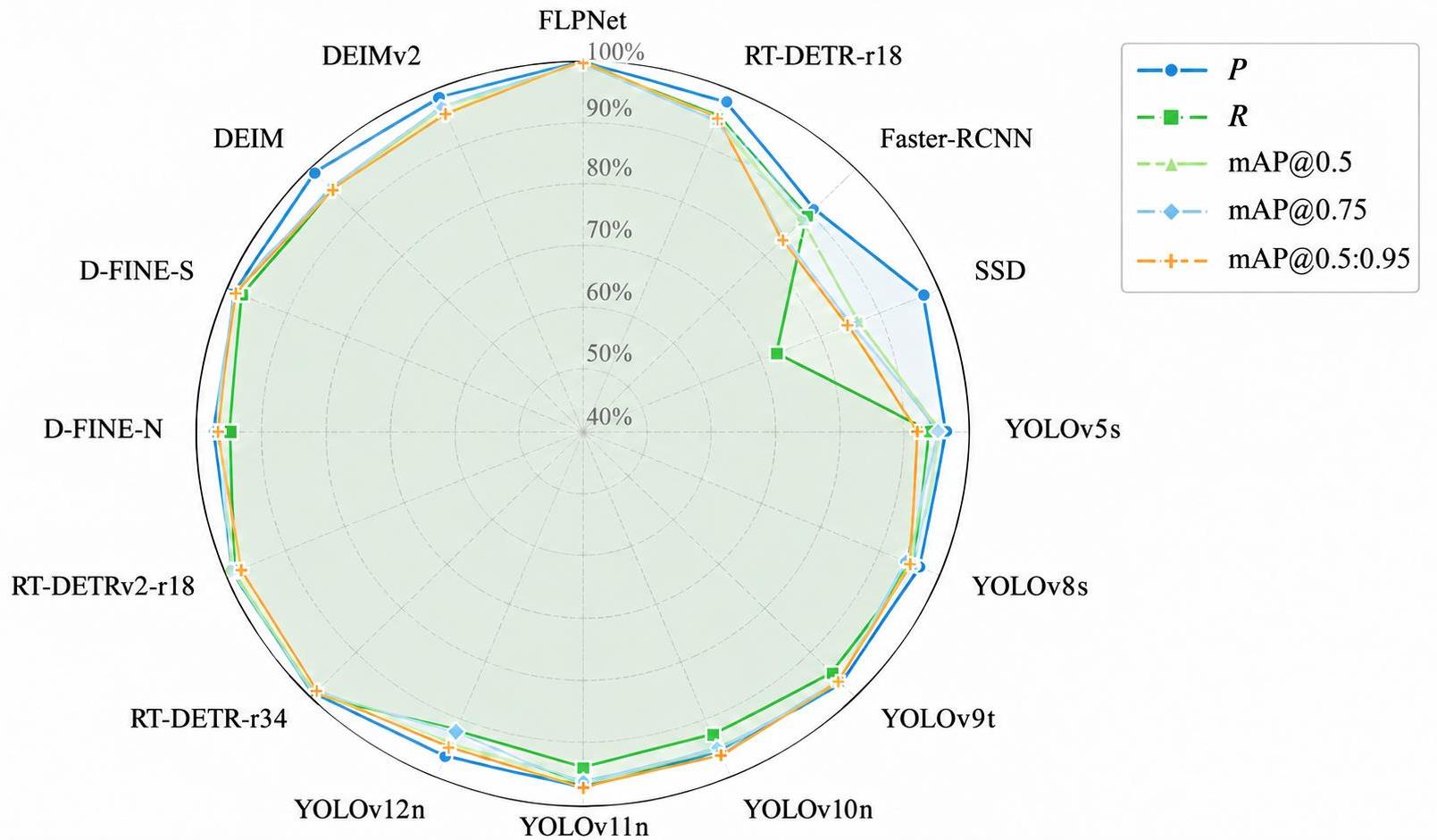
Table 7
Ablation experiments of the apple leaf disease detection model
| | | | | | | | | | | | | | |
|---|---|---|---|---|---|---|---|---|---|---|---|---|---|
| | | | | | | | | | | | | | |
| | | | | | | | | | | | | | |
| | | | | | | | | | | | | | |
| | | | | | | | | | | | | | |
| | | | | | | | | | | | | | |
| | | | | | | | | | | | | | |
| | | | | | | | | | | | | | |
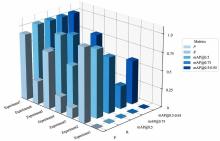
Fig. 8
Performance comparison of FLPNet ablation variants for apple leaf disease detection Note: Experiment 1 serves as the baseline model RT-DETR, while Experiment 2~Experiment 6 represent progressively enhanced variants with added components such as FDEM and LRGA. Experiment 7 presents the complete FLPNet model proposed in this study.
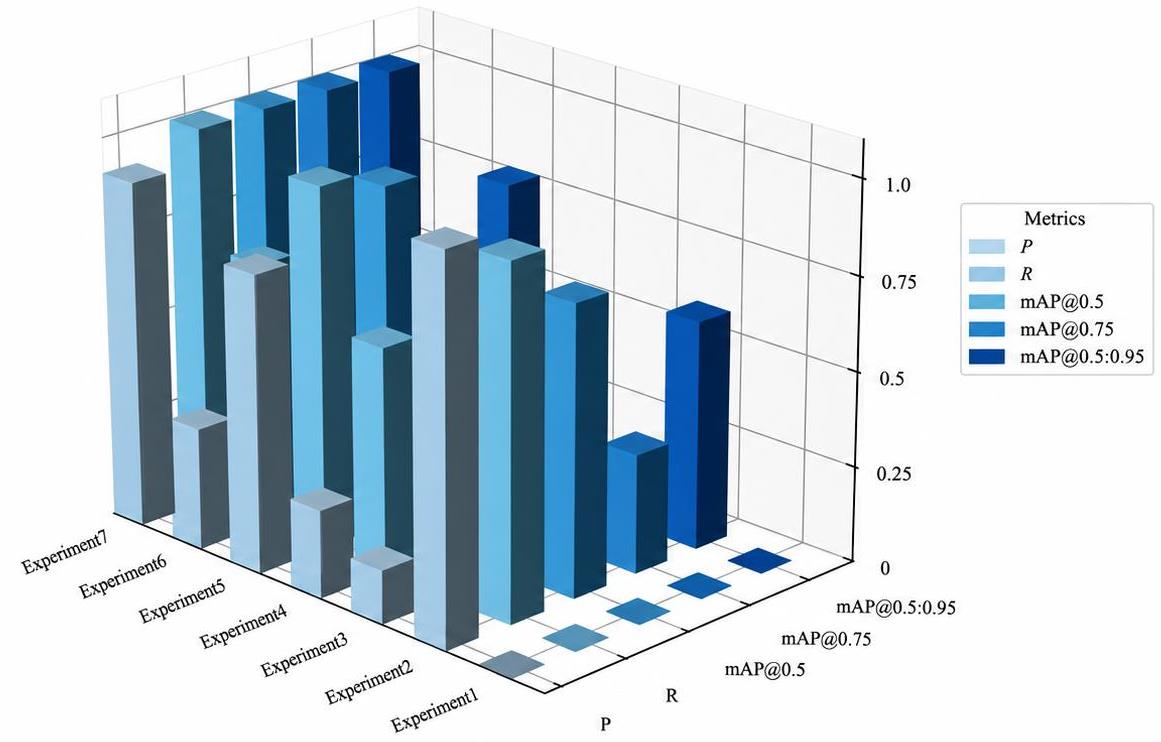
Fig. 9
Comparison of training results between FLPNet and RT-DETR-r18 models
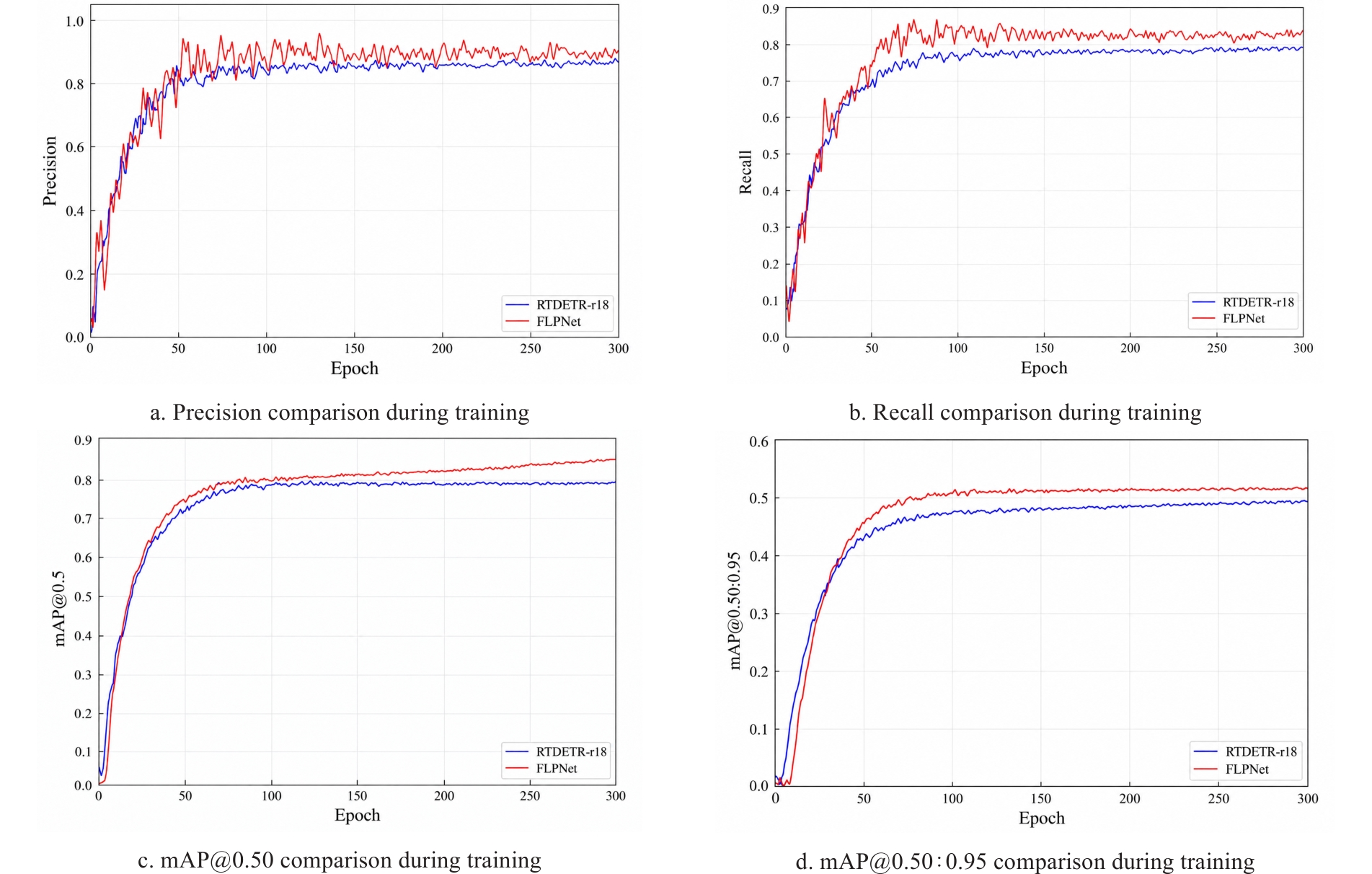
Fig. 10
Comparison of model prediction results of apple leaf disease detection
| a. Ground-truth annotations | b. Prediction results of RT-DETR-r18 | c. Prediction results of FLPNet |
Fig. 11
Detection heatmap comparison of different models for apple leaf disease detection
| Input image | RT-DETR-r18 | YOLOv8s | FLPNet | |
| Alternaria | | |||
| Frogeye leaf spot | ||||
| Mosaic | ||||
| Rust | ||||
| Scab | ||||
Table 8
Performance comparison of generalization ability of apple leaf disease detection models
| | | | | | | | | | |
|---|---|---|---|---|---|---|---|---|---|
| | | | | | | | | | |
| | | | | | | | | | |
| | | | | | | | | | |
| | | | | | | | | | |
| | | | | | | | | | |
| | | | | | | | | | |
| | | | | | | | | | |
| | | | | | | | | | |
| | | | | | | | | | |
Table 9
Detection performance of RT-DETR-r18 and FLPNet on the Orange Pi platform
| | | | | | | | | | |
|---|---|---|---|---|---|---|---|---|---|
| | | | | | | | | | |
| | | | | | | | | | |
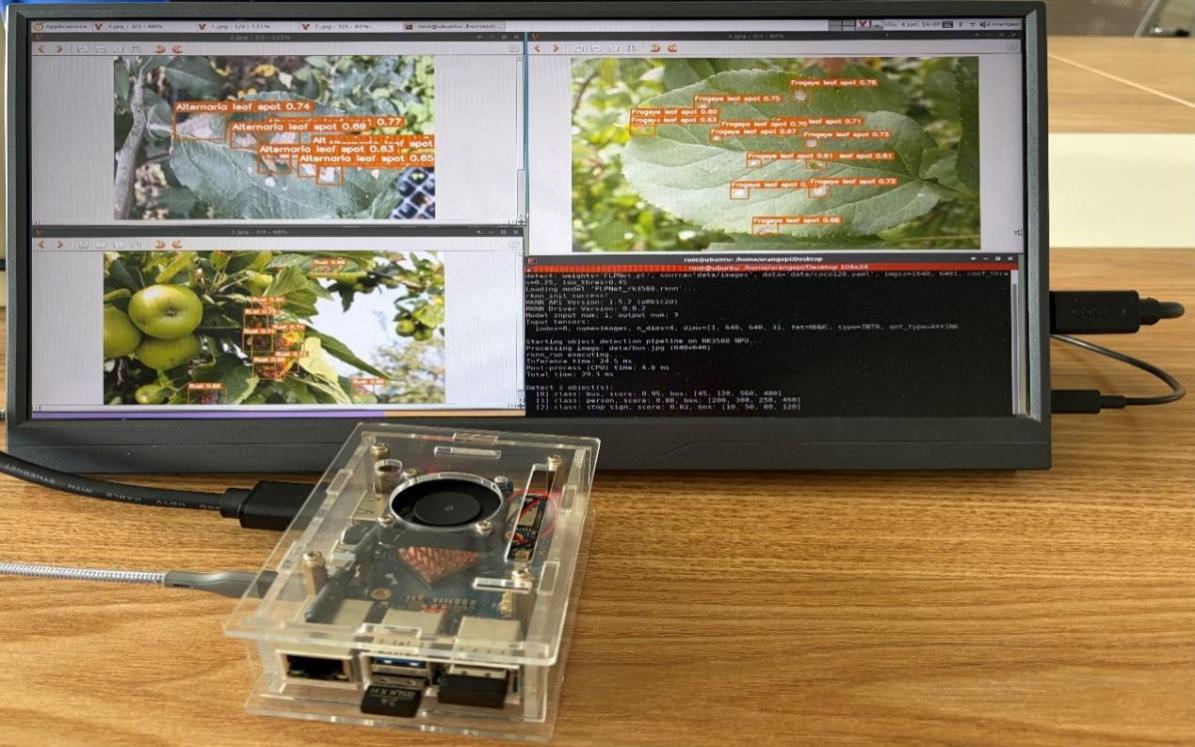
Fig. 12
Deployment process and prediction results of FLPNet on the Orange Pi platform
| [1] |
|
| [2] |
|
| [3] |
|
| [4] |
|
| [5] |
|
| [6] |
|
| [7] |
|
| [8] |
|
| [9] |
|
| [10] |
|
| [11] |
|
| [12] |
|
| [13] |
|
| [14] |
|
| [15] |
|
| [16] |
|
| [17] |
|
| [18] |
|
| [19] |
|
| [20] |
|
| [21] |
|
| [22] |
|
| [23] |
|
| [24] |
|
| [25] |
|
| [26] |
|
| [27] |
|
| [28] |
|
| [29] |
|
| [30] |
|
| [31] |
|
| [32] |
|
| [33] |
|
| [34] |
|
| [35] |
|
| [36] |
|
| [37] |
|
| [38] |
|
| [39] |
|
| [40] |
|
| [41] |
|
| [1] | ZHANG Kun, ZHANG Chunyu, CHEN Longmei, LIU Qicheng, LI Yongkang, LIU Kai, ZENG Wenhao. Appearance Defect Detection Algorithm of Euryale Ferox Based on Improved YOLOv11n [J]. Smart Agriculture, 2026, 8(5): 194-206. |
| [2] | ZHOU Lin, WANG Yan, LI Haixin, ZHENG Jishu, LI Mai, CAO Zhonghua, WU Zhaojuan. Rapeseed Silique Detection and Counting Based on YOLOv11n-A3 [J]. Smart Agriculture, 2026, 8(5): 182-193. |
| [3] | SHEN Xueli, ZHANG Yue, JIN Haibo, ZHANG Xuxu. Multi-Scale Heterogeneous Feature Synergistic Model for Cotton Leaf Disease Detection [J]. Smart Agriculture, 2026, 8(4): 204-216. |
| [4] | SHI Qimeng, WANG Jun, XU Xiaofeng, ZHANG Weiyi. Cotton Maturity Detection Algorithm Based on Improved RT-DETR [J]. Smart Agriculture, 2026, 8(4): 100-113. |
| [5] | LI Chuanmeng, YANG Jie, ZHANG Xiaoyu. Lightweight Detection Method for Grading Fresh Cut Dianthus caryophyllus L. Based on Flor-YOLO [J]. Smart Agriculture, 2026, 8(4): 85-99. |
| [6] | LI Xiaxi, JI Ronghua, CHANG Hongrui, ZHANG Suoxiang. DC-YOLO: A Behavior Detection Model for Hu Sheep Addressing Occlusion and Illumination Variations [J]. Smart Agriculture, 2026, 8(4): 127-147. |
| [7] | YANG Yu, ZHANG Yibo, MAO Bo, ZHANG Lei. LiteFocus-Net: A Three-Point Lightweight Enhancement Framework for Small-Target Detection of Corn Leaf Diseases and Pests [J]. Smart Agriculture, 2026, 8(4): 217-237. |
| [8] | SU Yujie, LI Yue, WEI Linjing, WU Bing, GUO Linhai, YAN Bin, ZHOU Hui, GAO Yuhong, KANG Lianghe, LIU Huan, SU Shunchang. Lodging Region Detection Method in Flax Based on Lightweight Improved YOLOv11n-seg Model [J]. Smart Agriculture, 2026, 8(2): 35-47. |
| [9] | ZHAO Licheng, LU Xinyu, WU Qian, REN Ni, ZHOU Lingli, CHENG Yawen, HU Anqi, QI Chao. An Improved YOLOv10-Based Tomato Ripeness Detection Algorithm with LAMP Channel Pruning [J]. Smart Agriculture, 2026, 8(2): 133-146. |
| [10] | LIU Haoran, WANG Yu, ZHAO Xueguan, WU Huarui, FU Hao, PANG Shujie, ZHAI Changyuan. CD-YOLO: A Method for Detecting Carrot Seedlings in Field Based on Improved YOLOv11s [J]. Smart Agriculture, 2026, 8(2): 158-174. |
| [11] | WU Chenxu, ZUO Haolong, LI Gang. Cross-Modal Attention for Multi-Source Remote Sensing Crop Classification under Cloud Occlusion and Complex Field Scenarios [J]. Smart Agriculture, 2026, 8(2): 118-132. |
| [12] | CAI Yuqin, LIU Daming, XU Qin, LI Boyang, LIU Bojie. Greenhouse Temperature and Humidity Prediction Method Based on Adaptive Kalman Filter and GWO-LSTM-Attention [J]. Smart Agriculture, 2026, 8(1): 148-155. |
| [13] | HU Yumeng, GUAN Feifan, XIE Dongchen, MA Ping, YU Youben, ZHOU Jie, NIE Yanming, HUANG Lüwen. Tea Leaf Disease Diagnosis Based on Improved Lightweight U-Net3+ [J]. Smart Agriculture, 2026, 8(1): 15-27. |
| [14] | HUANG Xianguo, ZHU Qibing, HUANG Min. Online Detection System for Freshness of Fruits and Vegetables Based on Temporal Multi-source Information Fusion [J]. Smart Agriculture, 2026, 8(1): 203-212. |
| [15] | YAO Xiaotong, QU Shaoye. Lightweight Detection Method for Pepper Leaf Diseases and Pests Based on Improved YOLOv12s [J]. Smart Agriculture, 2026, 8(1): 1-14. |
| Viewed | ||||||
|
Full text |
|
|||||
|
Abstract |
|
|||||